








Disclosure
Some artwork in this game was edited with the assistance of generative AI tools as part of the development process.
- Creator
- Sergey Bedrosyants
- Reviews
- -
- Added
- Aug 1, 2026
Public Steam disclosure research 25,497 disclosures tracked
Search developers’ Steam disclosures, compare classified AI use across games, and follow recorded changes. This index adds cross-game classifications and statistics to statements published on individual store pages.
Code help, debugging and other development work.
Capsule art, trailers and promotional material.
Pre-made art, audio, writing and other game assets.
Interactive or runtime AI features disclosed by the developer.
Groups reflect automatic analysis of public disclosures; mature records are excluded. These counts do not measure AI use across all of Steam. Missing or unclear statements cannot establish whether a game uses AI.
Some artwork in this game was edited with the assistance of generative AI tools as part of the development process.
This game is being developed solo. As an independent developer working with limited resources and budget, AI tools have been used in the production of some visual and musical assets: Some character concept art, store page marketing materials, and background/atmospheric visuals were created using AI visual generation tools, then edited and integrated by the developer to fit the game's art direction. Some visuals are included as placeholders and will be changed during development. Some background music tracks were created using AI music generation tools. The game's codebase, gameplay mechanics, character design, dialogue writing, and overall creative direction were all created manually by the developer alone. AI tools were used as a tool where access to a professional art/sound team was not possible as a solo developer; final decisions, edits, and the overall creative direction of the game were shaped by the developer.
This project is human-led and human-authored. The core concept, research direction, cultural framing, interactive decisions, visual judgement, source selection, and the final content of the work were all determined by me. AI was used as a supporting production tool, mainly for: debugging Unity and C# errors; suggesting code structure for prototype scripts; organising local folders and repository structure; searching for public references and technical resources; and drafting editable documentation outlines that I then reviewed and revised. AI was not used as an autonomous author. It did not decide the research direction, cultural interpretation, aesthetic intention, or final meaning of the work. AI-generated text and code were treated as working material - selected, edited, corrected, rejected, or rewritten. The personal reflection was written by me; no AI-generated text is presented as personal reflective writing.
The game has been made with Claude Code
During the game design process, we used advanced AI tools to generate some images as creative references and sources of inspiration. The resulting materials were then significantly reworked and refined to create the final visual style. At the same time, we also attach great importance to player feedback and suggestions. If you have any suggestions on the artistic performance of the game, please feel free to communicate with us through the community.
Part of the art and audio assets are AI-generated.
This game uses AI-generated voice acting. All character voices were synthesized with ElevenLabs using original text prompts and original scripts written for this game. No real person's voice was cloned, recorded, or used as source material. Some creature and ambient sound effects are also AI-generated. All audio is pre-generated and ships with the game; nothing is generated at runtime.
During development, generative AI tools were used to help create some visual design elements and background music. The game engine and all gameplay systems are originally developed by the creator. AI-generated content is reviewed and refined to ensure consistency and quality. The game does not use AI-driven systems during gameplay.
This game uses pre-generated AI content for a small number of UI button press sound effects created during development using ElevenLabs. These audio assets are included in the shipped game and do not generate dynamically during gameplay. The game does not use live generative AI to create player-facing content while the game is running.
Generative AI tools were used solely to assist in the creation of the background music for Beat Boxy. All other game assets, sound effects, UI elements and level designs were either created directly by the developer, or acquired through Creative Commons Licensing.
Pre-generated generative AI was used to create selected Steam store-page and library marketing images based on original in-game screenshots, character designs and branding supplied by the developers.
Some of the game's visual assets — both 2D and 3D — are built from AI-generated drafts that our artists rework and refine by hand into their final form. Localization was drafted with AI tools and edited by the team. The final look, content, and quality of every element of the game are defined and approved by humans.
Generative AI tools were used during development to assist with portions of the game’s source code, selected 2D visual and UI assets, the studio logo, localization text, and background music. All AI-assisted content was pre-generated and reviewed, edited, and approved by the developer before inclusion in the game. The game does not generate any AI content while running and does not communicate with external AI services.
Generative AI was used to support parts of the game’s development and to help create some marketing materials. All AI-assisted content was reviewed and refined by the development team.
This game uses AI tools in the following ways: Music: Composed using Suno. Code: Written and debugged with AI assistance. Art: Created with AI assistance. All AI-assisted content was reviewed, edited, and finalized by the developer.
Generative AI was used for UI/UX, coding, and artwork
Some sound effects, written content, and artwork were generated with AI and then manually edited and refined.
Some sound effects were created with AI tools, and a small number of background 3D assets were initially AI-generated, then manually optimized. Parts of the promotional artwork were made with AI assistance. Everything else, including all gameplay systems, the driving and economy mechanics, and the street-by-street recreation of Istanbul's historic peninsula, is hand-crafted by a solo developer.
Generative AI tools assisted with portions of the game's code, comedic written content, and certain original visual assets. The game also includes 12 pre-generated instrumental music tracks made with Suno. All AI-assisted material was reviewed, edited, and integrated by the developer. Grave Danger does not generate AI content during gameplay and does not connect to external AI services.
In keeping with the game's premise, many of the in-game AI opponent's answers — along with question prompts, post-game flavor text, and portions of the French localization — were written with the help of generative AI, reviewed and directed throughout by the developer.
The background images and dogs pictures are pre-rendered AI art
Generative AI is used only during development to create and refine certain visual assets, including textures, icons, and UI elements. All generated materials are reviewed and edited by the developer when necessary before being added to the game. AI does not generate content during gameplay or process user data.
Tatomic was originally created in 2008 for the first-generation iPhone, with artwork designed for its 480 × 320 display. Generative AI was used only to upscale and recreate the original artwork at higher resolutions while preserving the game’s original visual style. No generative AI was used to create the game’s design, gameplay, sound effects, music, or original art direction.
Some sound effects materials are generated using artificial intelligence technology
Generative AI was used to assist with the creation of code-based 3D geometry built in Three.js, as well as some sound assets included in the game. These assets are reviewed, adjusted, and integrated by the developer, and may be revised or replaced throughout development.
Generative AI was used as a supporting tool during solo development, mainly to find technical information faster, compare possible solutions, check code, organize notes, and explore early ideas. It saves a lot of time that would otherwise be spent searching through browser tabs and documentation. I also use it to help with translations. The game’s design, development decisions, implementation, and final content remain entirely under my control.. The game does not generate AI content during gameplay.
During the process of production, generative AI may be used in following processes: coding and debugging, production of conceptual art of game assets, production of rough models of game assets, production of simple animation effects, restoration of image, audio or video quality, localization and translation. All AI generated game assets that appear directly in game are revised and finalized by real human artists.
Generative AI was used to help with localization.
Generative AI was used during game development to create images and musical accompaniment.
SELF//FORK used AI to generate the main character from a description. It was later redrawn by human hands, but the initial sketches were AI-generated.
Background Music (BGM): Some in-game background music tracks were generated using AI tools. Localization: The game's text localization (translations into various languages) was produced or assisted by AI. All AI-generated content was reviewed and curated by the developer before inclusion in the game.
Currently using some AI art assets, however the goal is to replace all or the vast majority of these before release.
Generative AI tools were used as supportive measures during the development process in the following areas: - Localization: AI was used to assist with text translation and editing across supported languages. - Sound Design: AI tools may be used for generating foundational sound elements.
Some store page promotional artwork may include AI generated or AI-assisted elements. These materials are limited to store/marketing presentation assets and are not part of the gameplay content.
Aircraft Tycoon uses generative AI during development to create certain pre-rendered 2D visual assets, including environmental backgrounds, building illustrations, and selected promotional artwork. All AI-assisted content is reviewed, curated, and, where necessary, edited by the developer before being included in the game. The game does not generate AI content during gameplay and does not connect to external AI services.
Generative AI was used in preparing the store page materials: the text description and the screenshots. The screenshots are not AI-generated - they are captured from the actual game, with AI tools used for color correction. All materials have been reviewed and approved by the developer. No generative AI runs during gameplay: all content is fixed and nothing is generated live
Some elements translated by AI or inspired by AI.
The game to contain art assets generated by artificial intelligence
Used only for cover images.
A small amount of artwork, the soundtrack, and voiceovers were generated with AI.
AI tools assisted with coding and select supporting visual assets. All writing, mechanics, systems, and game design are original.
AI was used to create images, text, and algorithms used in the game. This game was made by a solo-developer with the help of AI.
Generative AI tools were used during development to assist with the creation and editing of some pre-generated visual assets, sound effects, and Steam Store page text. All AI-assisted content was reviewed, selected, and edited by the developer before being included. The game does not generate content using AI during gameplay.
Generative AI tools were used to create selected pre rendered promotional artwork displayed on the Steam Store page and in marketing materials. All such content was reviewed, curated and integrated by the developer. The game does not generate AI content during gameplay.
AI tools were used during development to assist with writing code, and to produce two categories of content shipped with the game: the original synthwave soundtrack (composed with AI music generation, curated and selected by the developer) and the interface translations for the non-English languages (reviewed by the developer). Some store page text was also drafted with AI assistance. All in-game worlds are generated procedurally by hand-written algorithms — no AI content is generated at runtime.
Some of this game's visual assets (character art, icons, and UI) were created with the help of generative AI tools and were manually edited and reviewed by the developer.
AI was used to generate code, assets, graphics and sounds.
Ruthless Returns is a solo-developed game built and refined over hundreds of hours. The original version was created on paper in 2022, but at the time I did not have the resources to turn it into a full game. Early prototypes used licensed images with a simple painted treatment. It worked, but the visual style was ultimately shaped by whatever suitable assets were available. Generative AI made it possible to create artwork specifically for Ruthless Returns and give the game a much more consistent look and feel from top to bottom. AI was used for the card artwork and character voices. That also made it possible for me to finally turn the original paper concept into a PC game. If players enjoy it, I hope to take it full circle and eventually produce Ruthless Returns as a physical board game. Balancing combines extensive human playtesting with more than 500,000 simulated games. The simulations were used to analyze win rates, card strength, strategies and interactions across a much larger number of matches than manual playtesting alone could realistically cover.
Generative AI was used as a collaborative programming assistant to help write game code, structure gameplay logic, and assist with optimization. Additionally, it was utilized to help draft and refine marketing copy for the store page. All visual assets, 3D models, animations, and creative direction are completely hand-crafted by a solo human artist.
To streamline the creative workflow, this game incorporates AI-assisted tools. AI was employed for initial code prototyping and some asset creation; however, every aspect of the game has been extensively reviewed, modified, and refined to ensure high-quality performance and consistency.
| Title⇅ | Disclosure | Creator⇅ | Src | Reviews⇅ | Added↓ |
|---|---|---|---|---|---|
 Mega Dig In-game content art | Some artwork in this game was edited with the assistance of generative AI tools as part of the development process. | Sergey Bedrosyants | - | Aug 1, 2026 | |
 Dead Man's Table In-game content artaudio | This game is being developed solo. As an independent developer working with limited resources and budget, AI tools have been used in the production of some visual and musical assets:
Some character concept art, store page marketing materials, and background/atmospheric visuals were created using AI visual generation tools, then edited and integrated by the developer to fit the game's art direction.
Some visuals are included as placeholders and will be changed during development.
Some background music tracks were created using AI music generation tools.
The game's codebase, gameplay mechanics, character design, dialogue writing, and overall creative direction were all created manually by the developer alone. AI tools were used as a tool where access to a professional art/sound team was not possible as a solo developer; final decisions, edits, and the overall creative direction of the game were shaped by the developer. | Ayg Forge | - | Aug 1, 2026 | |
 Kairos-与时偕行 Dev only codetext | This project is human-led and human-authored. The core concept, research direction, cultural framing, interactive decisions, visual judgement, source selection, and the final content of the work were all determined by me.
AI was used as a supporting production tool, mainly for: debugging Unity and C# errors; suggesting code structure for prototype scripts; organising local folders and repository structure; searching for public references and technical resources; and drafting editable documentation outlines that I then reviewed and revised.
AI was not used as an autonomous author. It did not decide the research direction, cultural interpretation, aesthetic intention, or final meaning of the work. AI-generated text and code were treated as working material - selected, edited, corrected, rejected, or rewritten. The personal reflection was written by me; no AI-generated text is presented as personal reflective writing. | Jiakang Lin | - | Aug 1, 2026 | |
 Casino Legends Unclear code | The game has been made with Claude Code | Pinch Games | - | Aug 1, 2026 | |
 Dog-o-Doku Dev only art | During the game design process, we used advanced AI tools to generate some images as creative references and sources of inspiration. The resulting materials were then significantly reworked and refined to create the final visual style.
At the same time, we also attach great importance to player feedback and suggestions. If you have any suggestions on the artistic performance of the game, please feel free to communicate with us through the community. | thinkwithpaws | - | Aug 1, 2026 | |
 Mahjong Encyclopedia In-game content artaudio | Part of the art and audio assets are AI-generated. | Bad Murloc Studio | - | Aug 1, 2026 | |
 Bloodlust & Harmony In-game content audio | This game uses AI-generated voice acting. All character voices were synthesized with ElevenLabs using original text prompts and original scripts written for this game. No real person's voice was cloned, recorded, or used as source material. Some creature and ambient sound effects are also AI-generated. All audio is pre-generated and ships with the game; nothing is generated at runtime. | Cyber Mouse | - | Aug 1, 2026 | |
 Idle Bomb Animals In-game content artaudio | During development, generative AI tools were used to help create some visual design elements and background music.
The game engine and all gameplay systems are originally developed by the creator. AI-generated content is reviewed and refined to ensure consistency and quality.
The game does not use AI-driven systems during gameplay. | AGE Inc. | - | Aug 1, 2026 | |
 Launch Window In-game content audio | This game uses pre-generated AI content for a small number of UI button press sound effects created during development using ElevenLabs. These audio assets are included in the shipped game and do not generate dynamically during gameplay. The game does not use live generative AI to create player-facing content while the game is running. | Ben Hamilton | - | Aug 1, 2026 | |
 Beat Boxy In-game content audio | Generative AI tools were used solely to assist in the creation of the background music for Beat Boxy. All other game assets, sound effects, UI elements and level designs were either created directly by the developer, or acquired through Creative Commons Licensing. | JoMito Games | - | Aug 1, 2026 | |
 Skill Club In-game content art | Pre-generated generative AI was used to create selected Steam store-page and library marketing images based on original in-game screenshots, character designs and branding supplied by the developers. | Sigmaro Studios | - | Aug 1, 2026 | |
 PuppetOFF In-game content arttext | Some of the game's visual assets — both 2D and 3D — are built from AI-generated drafts that our artists rework and refine by hand into their final form. Localization was drafted with AI tools and edited by the team. The final look, content, and quality of every element of the game are defined and approved by humans. | Feral Node Games | - | Aug 1, 2026 | |
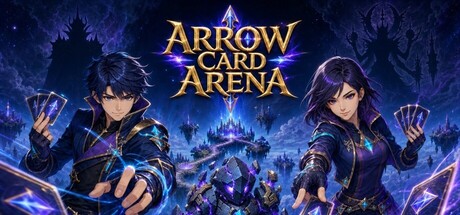 Arrow Card Arena In-game content artaudiotext | Generative AI tools were used during development to assist with portions of the game’s source code, selected 2D visual and UI assets, the studio logo, localization text, and background music. All AI-assisted content was pre-generated and reviewed, edited, and approved by the developer before inclusion in the game. The game does not generate any AI content while running and does not communicate with external AI services. | Ludendria Studio | - | Jul 31, 2026 | |
 Completion Index Store/marketing | Generative AI was used to support parts of the game’s development and to help create some marketing materials. All AI-assisted content was reviewed and refined by the development team. | CroakWorksGaming | - | Jul 31, 2026 | |
 SUDOKU IT In-game content audioartcode | This game uses AI tools in the following ways:
Music: Composed using Suno.
Code: Written and debugged with AI assistance.
Art: Created with AI assistance.
All AI-assisted content was reviewed, edited, and finalized by the developer. | huntforge | - | Jul 31, 2026 | |
 HALFTIME Manager In-game content artcode | Generative AI was used for UI/UX, coding, and artwork | Lazybraindev | - | Jul 31, 2026 | |
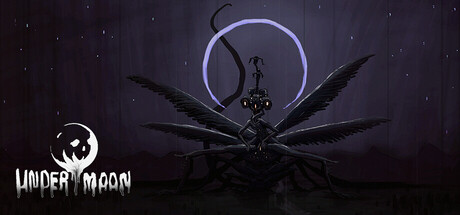 Undermoon In-game content audiotextart | Some sound effects, written content, and artwork were generated with AI and then manually edited and refined. | momorange | - | Jul 31, 2026 | |
 Taxistanbul: Istanbul Taxi Simulator In-game content audioart | Some sound effects were created with AI tools, and a small number of background 3D assets were initially AI-generated, then manually optimized. Parts of the promotional artwork were made with AI assistance. Everything else, including all gameplay systems, the driving and economy mechanics, and the street-by-street recreation of Istanbul's historic peninsula, is hand-crafted by a solo developer. | Osas Games | - | Jul 31, 2026 | |
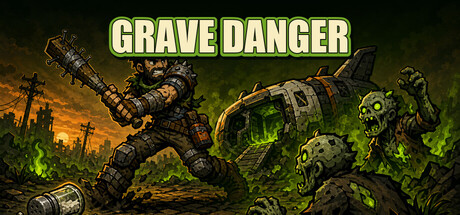 Grave Danger In-game content arttextaudio | Generative AI tools assisted with portions of the game's code, comedic written content, and certain original visual assets. The game also includes 12 pre-generated instrumental music tracks made with Suno. All AI-assisted material was reviewed, edited, and integrated by the developer. Grave Danger does not generate AI content during gameplay and does not connect to external AI services. | Strictly MT Games | - | Jul 31, 2026 | |
 Turing Heads In-game content text | In keeping with the game's premise, many of the in-game AI opponent's answers — along with question prompts, post-game flavor text, and portions of the French localization — were written with the help of generative AI, reviewed and directed throughout by the developer. | Groundbreakers | - | Jul 30, 2026 | |
 Chronime Puzzle: Dogs In-game content art | The background images and dogs pictures are pre-rendered AI art | Quantum Quiver Games | - | Jul 30, 2026 | |
 Industrial Mogul In-game content art | Generative AI is used only during development to create and refine certain visual assets, including textures, icons, and UI elements. All generated materials are reviewed and edited by the developer when necessary before being added to the game. AI does not generate content during gameplay or process user data. | codebooster | - | Jul 30, 2026 | |
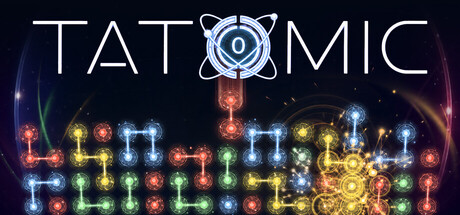 Tatomic In-game content art | Tatomic was originally created in 2008 for the first-generation iPhone, with artwork designed for its 480 × 320 display.
Generative AI was used only to upscale and recreate the original artwork at higher resolutions while preserving the game’s original visual style. No generative AI was used to create the game’s design, gameplay, sound effects, music, or original art direction. | nitzan.games LLC | - | Jul 30, 2026 | |
 企鹅塔防Penguin TD In-game content audio | Some sound effects materials are generated using artificial intelligence technology | ELGoods | - | Jul 30, 2026 | |
 Agon Protocol In-game content artaudio | Generative AI was used to assist with the creation of code-based 3D geometry built in Three.js, as well as some sound assets included in the game. These assets are reviewed, adjusted, and integrated by the developer, and may be revised or replaced throughout development. | Atrimn | - | Jul 30, 2026 | |
 1930: Farm Manager Dev only codetext | Generative AI was used as a supporting tool during solo development, mainly to find technical information faster, compare possible solutions, check code, organize notes, and explore early ideas. It saves a lot of time that would otherwise be spent searching through browser tabs and documentation. I also use it to help with translations. The game’s design, development decisions, implementation, and final content remain entirely under my control.. The game does not generate AI content during gameplay. | OMG Studio | - | Jul 30, 2026 | |
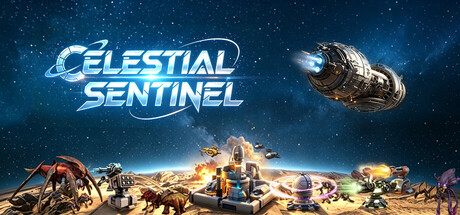 星塔游戈 Celestial Sentinel In-game content artaudiocodetext | During the process of production, generative AI may be used in following processes: coding and debugging, production of conceptual art of game assets, production of rough models of game assets, production of simple animation effects, restoration of image, audio or video quality, localization and translation. All AI generated game assets that appear directly in game are revised and finalized by real human artists. | 野象游戏工作室 Elephas Game Studio | - | Jul 30, 2026 | |
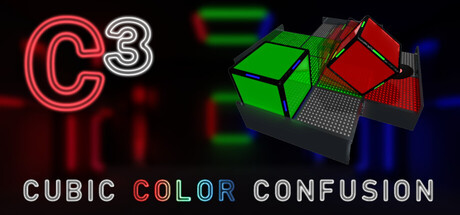 Cubic Color Confusion In-game content text | Generative AI was used to help with localization. | eyesolated | - | Jul 30, 2026 | |
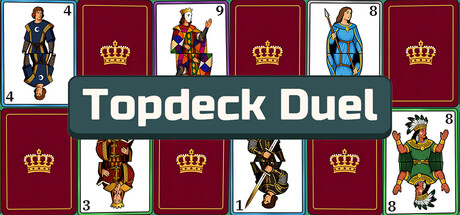 Topdeck Duel In-game content artaudio | Generative AI was used during game development to create images and musical accompaniment. | One Ink Studio | - | Jul 30, 2026 | |
 SELF//FORK In-game content art | SELF//FORK used AI to generate the main character from a description. It was later redrawn by human hands, but the initial sketches were AI-generated. | Helen Allien Poe | - | Jul 30, 2026 | |
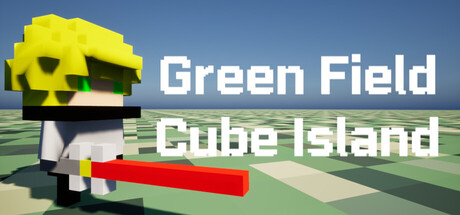 Green Field Cube Island In-game content audiotext | Background Music (BGM): Some in-game background music tracks were generated using AI tools.
Localization: The game's text localization (translations into various languages) was produced or assisted by AI.
All AI-generated content was reviewed and curated by the developer before inclusion in the game. | Chodnii | - | Jul 30, 2026 | |
 Perry's Pizzeria In-game content art | Currently using some AI art assets, however the goal is to replace all or the vast majority of these before release. | Stuffed Crust Studios | - | Jul 30, 2026 | |
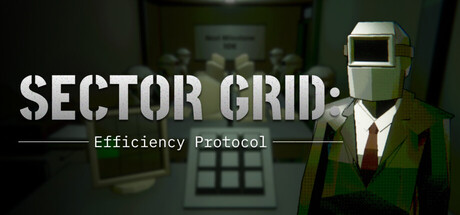 SECTOR GRID: Efficiency Protocol In-game content textaudio | Generative AI tools were used as supportive measures during the development process in the following areas:
- Localization: AI was used to assist with text translation and editing across supported languages.
- Sound Design: AI tools may be used for generating foundational sound elements. | ovov games | - | Jul 30, 2026 | |
 Landscaper Simulator Store/marketing art | Some store page promotional artwork may include AI generated or AI-assisted elements. These materials are limited to store/marketing presentation assets and are not part of the gameplay content. | Midnight Game Studios | 140 | Jul 30, 2026 | |
 Aircraft Tycoon In-game content art | Aircraft Tycoon uses generative AI during development to create certain pre-rendered 2D visual assets, including environmental backgrounds, building illustrations, and selected promotional artwork. All AI-assisted content is reviewed, curated, and, where necessary, edited by the developer before being included in the game. The game does not generate AI content during gameplay and does not connect to external AI services. | Spitfine Mmoores | - | Jul 29, 2026 | |
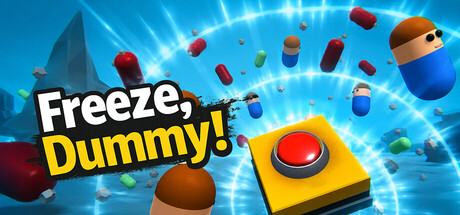 Freeze, Dummy! Store/marketing textart | Generative AI was used in preparing the store page materials: the text description and the screenshots. The screenshots are not AI-generated - they are captured from the actual game, with AI tools used for color correction. All materials have been reviewed and approved by the developer.
No generative AI runs during gameplay: all content is fixed and nothing is generated live | EVG Game Studio | - | Jul 29, 2026 | |
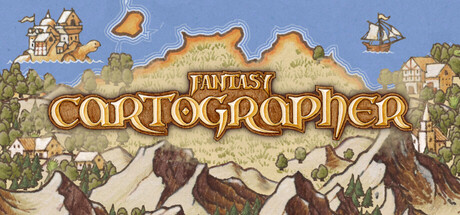 Fantasy Cartographer Unclear text | Some elements translated by AI or inspired by AI. | LapRPG | - | Jul 29, 2026 | |
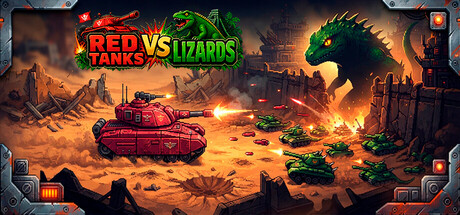 Red Tanks vs Lizard In-game content art | The game to contain art assets generated by artificial intelligence | Gamesforgames | - | Jul 29, 2026 | |
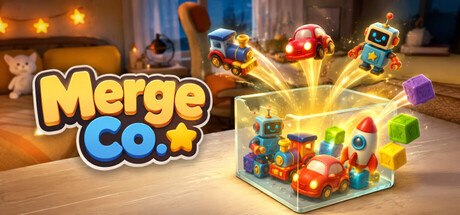 Merge Co. Store/marketing art | Used only for cover images. | SilverSet Studios LTD. | - | Jul 29, 2026 | |
 First Light In-game content artaudio | A small amount of artwork, the soundtrack, and voiceovers were generated with AI. | Ephphatha Games | - | Jul 29, 2026 | |
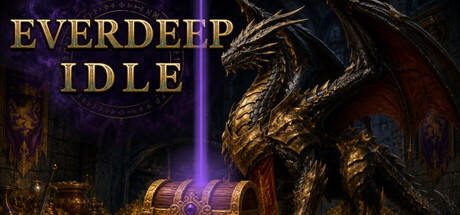 Everdeep Idle Dev only artcode | AI tools assisted with coding and select supporting visual assets. All writing, mechanics, systems, and game design are original. | SeveredGD | - | Jul 29, 2026 | |
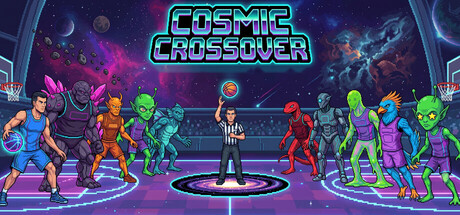 Cosmic Crossover: Roguelike Basketball In-game content arttextcode | AI was used to create images, text, and algorithms used in the game.
This game was made by a solo-developer with the help of AI. | EJ Applications | - | Jul 29, 2026 | |
 ROCKET SCIENCE In-game content artaudiotext | Generative AI tools were used during development to assist with the creation and editing of some pre-generated visual assets, sound effects, and Steam Store page text. All AI-assisted content was reviewed, selected, and edited by the developer before being included. The game does not generate content using AI during gameplay. | Macrobot Software | - | Jul 29, 2026 | |
 Hoop Dynasty: Rise of a Legend Store/marketing art | Generative AI tools were used to create selected pre rendered promotional artwork displayed on the Steam Store page and in marketing materials. All such content was reviewed, curated and integrated by the developer. The game does not generate AI content during gameplay. | Hoop Dynasty: Rise of a Legend | - | Jul 29, 2026 | |
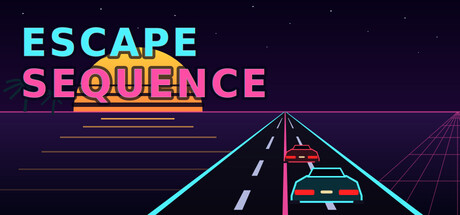 Escape Sequence In-game content audiotext | AI tools were used during development to assist with writing code, and to produce two categories of content shipped with the game: the original synthwave soundtrack (composed with AI music generation, curated and selected by the developer) and the interface translations for the non-English languages (reviewed by the developer). Some store page text was also drafted with AI assistance. All in-game worlds are generated procedurally by hand-written algorithms — no AI content is generated at runtime. | One Mind Games | - | Jul 29, 2026 | |
 Dead Broke In-game content art | Some of this game's visual assets (character art, icons, and UI) were created with the help of generative AI tools and were manually edited and reviewed by the developer. | Render Estudio 3D | - | Jul 29, 2026 | |
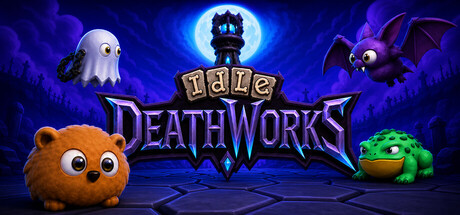 Idle Deathworks In-game content artaudiocode | AI was used to generate code, assets, graphics and sounds. | NiutNiut Games | - | Jul 29, 2026 | |
 Ruthless Returns In-game content artaudio | Ruthless Returns is a solo-developed game built and refined over hundreds of hours. The original version was created on paper in 2022, but at the time I did not have the resources to turn it into a full game.
Early prototypes used licensed images with a simple painted treatment. It worked, but the visual style was ultimately shaped by whatever suitable assets were available. Generative AI made it possible to create artwork specifically for Ruthless Returns and give the game a much more consistent look and feel from top to bottom. AI was used for the card artwork and character voices.
That also made it possible for me to finally turn the original paper concept into a PC game. If players enjoy it, I hope to take it full circle and eventually produce Ruthless Returns as a physical board game.
Balancing combines extensive human playtesting with more than 500,000 simulated games. The simulations were used to analyze win rates, card strength, strategies and interactions across a much larger number of matches than manual playtesting alone could realistically cover. | South Harbour Studios | - | Jul 29, 2026 | |
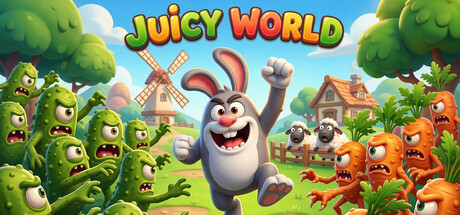 Juicy World In-game content codetext | Generative AI was used as a collaborative programming assistant to help write game code, structure gameplay logic, and assist with optimization. Additionally, it was utilized to help draft and refine marketing copy for the store page. All visual assets, 3D models, animations, and creative direction are completely hand-crafted by a solo human artist. | Alien Knight | - | Jul 29, 2026 | |
 God Save Wrist In-game content codeart | To streamline the creative workflow, this game incorporates AI-assisted tools. AI was employed for initial code prototyping and some asset creation; however, every aspect of the game has been extensively reviewed, modified, and refined to ensure high-quality performance and consistency. | PBH production | - | Jul 29, 2026 |


