Public Steam disclosure research25,508 disclosures tracked
Where do games disclose AI use?
Search developers’ Steam disclosures, compare classified AI use across
games, and follow recorded changes.
This index adds cross-game classifications and statistics to
statements published on individual store pages.
Groups reflect automatic analysis of public disclosures; mature records are excluded. These counts do not measure AI use across all of Steam.
Missing or unclear statements cannot establish whether a game uses AI.
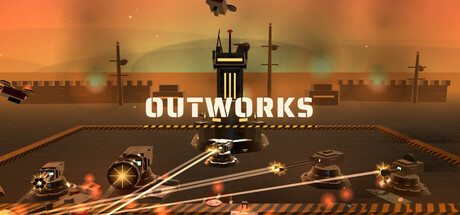
OUTWORKS was developed with the help of AI-based coding assistants, which we used to write parts of the game's source code. Everything you see and hear in the game is then generated procedurally by that code — all graphics are drawn in code (SVG/CSS) and all sound is synthesized in code (Web Audio). The game contains no AI-generated image or audio assets, and no generative AI runs while you play.
AI-assisted tools were used in a limited capacity during development, in line with modern creative production workflows, to help create the game’s cover artwork and certain in-game illustrations.
All AI-assisted materials were manually reviewed, edited, refined, and adapted by our team before being included in the game or on the store page. These assets were not used in their original generated form.
The game does not use live generative AI during gameplay.
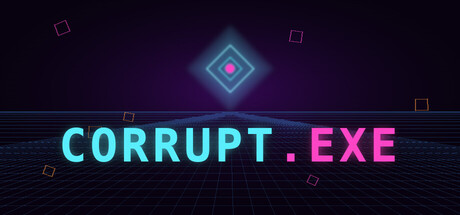
Generative AI was used during the development of CORRUPT.EXE to assist with coding, design iteration, brainstorming, and the creation of certain visual assets. All AI-generated content was reviewed, edited, and curated by the developer before being included in the game. No live AI-generated content is created during gameplay, and players do not interact with generative AI systems while playing.
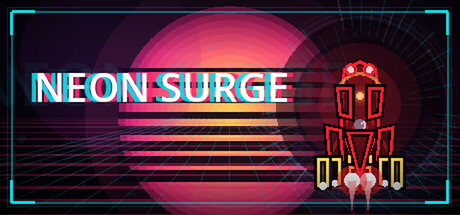
AI was used to assist in producing the in-game user-interface text translations for French, Spanish, German and Italian, which were then reviewed for accuracy. The English and Portuguese text is human-authored. All visual art, sound effects and music in NEON SURGE are generated procedurally by our own code — no AI models were used to create art, audio or gameplay assets.
FLOWORKS was developed with the help of AI-based coding assistants, which we used to write parts of the game's source code. Everything you see and hear in the game is then generated procedurally by that code — all graphics are drawn in code (SVG/CSS) and all sound is synthesized in code (Web Audio).
The game contains no AI-generated image or audio assets, and no generative AI runs while you play.
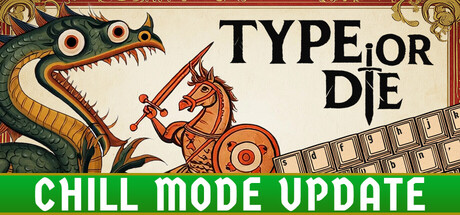
I want to clarify right away that I am not an AI enthusiast, though I understand that this topic can be sensitive for some. Type Or Die uses AI for card icons and sprite animations. All other aspects of the game (design, programming, voice acting, music, interface, and the majority of the artwork) were created manually. If the game achieves a certain level of success after its release, I will hire a specialist artist to handle all of that.
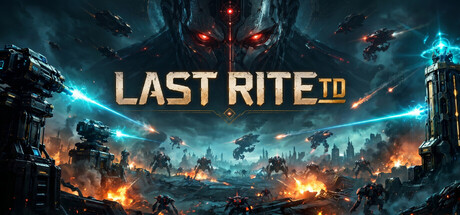
LAST RITE TD uses generative AI tools during development to assist with creating and iterating some visual concepts, marketing artwork, store capsule images, trailer-related promotional materials, voice/audio elements, and certain worldbuilding or text-drafting support.
Some voice/audio elements may also be AI-assisted. All AI-assisted content is reviewed, selected, edited, and integrated by the developer before being used in the game or on the Steam store page.
The game does not use generative AI to create unpredictable real-time gameplay content for players during normal play.
Generative AI tools were used during development to assist with visual assets, concept art, icons, textures, voice/audio content, and some marketing materials. All AI-assisted content is reviewed and edited by the developer before being included in the game or store page.
This game currently uses AI-generated artwork for its Steam capsule images.
No AI-generated art is used anywhere in the game itself, including gameplay, environments, UI, or other in-game assets.
AI-assisted tools were used during development for text drafting, limited programming assistance, and the creation of certain Steam store page assets, including background imagery used in promotional materials. All gameplay systems, characters, artwork, animations, and final game content were designed, created, implemented, and curated by the development team.
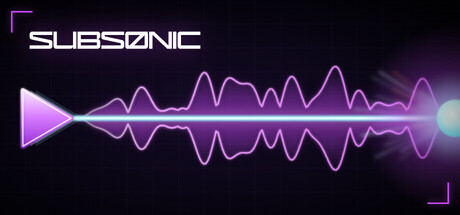
Generative AI was used to assist in writing and editing some of Subsønic's text, including portions of this store page and its marketing copy. The game's visual art is procedurally generated through code (algorithmic, not generative AI), and its music and sound are licensed or procedurally synthesized.
1. Cover art is created in Unreal Engine and photoshop, and has a detail pass on top of it by AI.
2. Localisation on the steam page is translated by AI.
3. Music is generated by AI.
Some optional in-game beta localizations were created with the assistance of generative AI during development.
The original game text was written in Italian. English, Russian, Simplified Chinese, Traditional Chinese and Japanese were professionally localized.
The additional beta languages include French, Spanish, German, Brazilian Portuguese, Polish, Turkish and Latin. These translations are pre-generated text assets included in the game build, not AI-generated during gameplay.
These beta localizations may contain mistakes, awkward phrasing or jokes that do not work as intended. They are being opened for community review and improvement.
trailer is generated with ai
some objects is generated with ai
character rendering generated by ai
cutscene generated by ai
voice and music generated by ai
This game uses generative artificial intelligence as part of the development process. AI tools were used to assist with creating certain visual assets and design elements. All AI-generated content has been reviewed, edited, and integrated by the developer to ensure quality and consistency.
No AI is used during gameplay, and the player experience is entirely handcrafted.
Partial game source codes, texture assets and store promotional artwork are created with generative AI tools. All AI-generated contents have been fully manually reviewed, modified and optimized by the developer before integrating into the final game build. No AI content is dynamically generated during gameplay.
This game uses generative AI tools in parts of the development and content creation process. Generative AI was used for concept exploration, drafting some 2D image/audio assets, and organizing text ideas. Final in-game content is reviewed and edited by the development team to ensure quality and consistency before release. We comply with applicable laws and platform policies, and will continue to refine or replace relevant content when needed.
This game uses generative AI during development to assist with concept art,
texture drafts, store media preparation, and iteration of visual assets.
Final in-game assets are reviewed, edited, and integrated by the developer
before release. The game does not use generative AI to create live gameplay
content during play.
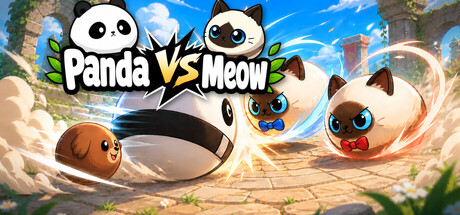
Some of the image assets in Panda vs Meow are created using generative AI tools and then manually edited and refined. Some of the music and sound effects are also AI-generated. Part of the game's code was written with AI assistance and reviewed by a human developer.
[Pre-Generated AI Content]This game makes extensive use of generative AI during development.AI tools were used to create or assist in producing the following assets:- Character illustrations and artwork- UI elements and visual effects- Sound and audio assets- Portions of the game codeAll AI-generated content has been reviewed, curated, and editedby the developer to ensure quality and fit the game's design vision.[Live-Generated AI Content]This game does not use any live-generated AI content during gameplay.
Some localization strings and background elements of the store capsule were initially generated using AI tools. All final text and visual elements were reviewed and edited by the developer before shipping.
We will use AI-generated marketing images for our promotional visuals. These will be applied in the following locations: the main promotional banner, vertical promotional banner, library promotional banner, library profile image, and library homepage image on the store page. The original materials are self-created and will be processed with AI for subsequent use. The game includes some UI icons /3D Asset that were initially generated by AI and subsequently edited manually for further application.
The work performed by artificial intelligence (AI)
in creating the game concerns only the music and images,
including store page and library images.
AI was used to create all the music in the game;
you can listen to some of it in the videos on the store page.
The videos use the game's music.
AI was also used as an image generator
during the game's development.
The resulting images were used for the background scenery and to
create textures and geometric shapes (the 3D shape is obtained from the image).
Almost all of the game's textures were created from AI generated images.
The three dimensional geometric models were created using a
group of traditional software; these software used AI generated images as their
"source data".
In practice, many 3D objects you see in the game, such as all the bees and
all the flowers, are a three dimensional reconstruction of objects
drawn over multiple images by AI.
The AI used is that provided by the major industries in the field.
All 3D modeling software is the intellectual property of the game's author.
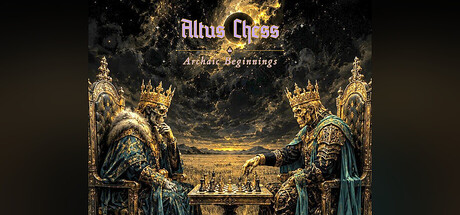
All visual artwork in Altus Chess: Archaic Beginnings — piece designs, board and background art, and promotional/store imagery — was created using generative AI image tools, directed by the developer through human-written prompts based on the game's own pieces and concepts, then reviewed and edited by hand. No content is generated live during gameplay. The game's opponent is a proprietary, hand-built algorithmic chess engine, not generative AI.
Generative AI tools (including Tripo3D and Meshy) were used during development to generate base 3D models for characters and environment assets, which were then manually adjusted and refined. AI tools were also used to create ambient background textures for marketing materials and Steam capsule illustrations. No live-generated AI content is used during runtime.
Some of this game's in-game text, including character dialogue and narrative/flavor writing was created with the help of generative AI tools during development, then reviewed and edited by the developer before release. The game's visual art is generated procedurally (algorithmically, not by AI). BrainRot Defender does not generate any content using AI in real time during gameplay, and does not connect to any external AI services.
AI tools were used to generate some of the bulk flavor text/copy (which were human-reviewed/modified/tested).
All other assets (music, sound effects, artwork, sprites, core game text, etc) were created by humans.
All 3D assets are from Synty Studios. Due to budget constraints (rideshare driver) I used generative AI for some pre-rendered artwork, store/marketing imagery, and voiceover content (I intend to replace all that by human-made content over time). The game does not use live generative AI during gameplay.
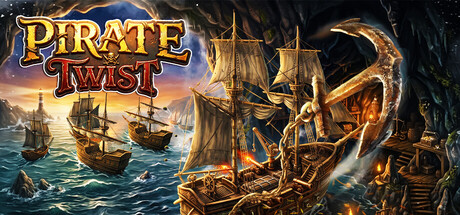
Pirate Twist is made by a solo developer, and generative AI tools were used across production. Specifically:
Art — some in-game visual art and the store capsule art were generated with Higgsfield image models against a fixed art-direction style, then hand-edited by the developer's wife: cut out, composited, colour-matched and retouched before going into the build.
Audio — the seven music tracks were generated with Suno (Premier). Sound effects were generated with the ElevenLabs Sound Effects API (Creator). All were then edited, pitch-shifted and mastered by the developer's wife.
Code — written with AI coding assistance.
No AI runs at runtime. Nothing is generated on your machine while you play, and the game makes no AI service calls during play.
Full commissioned art and audio is one of the items on the Roadmap for final release.
We utilized generative AI tools to assist in creating certain visual assets, UI elements, and background music (BGM) during the development process.
Additionally, AI was used to optimize coding efficiency and assist with text localization to improve the quality of the English translation.
All AI-assisted contents and scripts have been thoroughly reviewed, verified, and refined manually by the developer to ensure quality.
Some visual assets used in the game were created or refined with the assistance of generative AI tools. These assets include certain icons, UI elements, and promotional artwork. All AI-generated content has been reviewed, edited, and integrated by the developer to ensure consistency with the game's artistic direction and quality standards. No real-time AI-generated content is used during gameplay.
OUTWORKS was developed with the help of AI-based coding assistants, which we used to write parts of the game's source code. Everything you see and hear in the game is then generated procedurally by that code — all graphics are drawn in code (SVG/CSS) and all sound is synthesized in code (Web Audio). The game contains no AI-generated image or audio assets, and no generative AI runs while you play.
AI-assisted tools were used in a limited capacity during development, in line with modern creative production workflows, to help create the game’s cover artwork and certain in-game illustrations.
All AI-assisted materials were manually reviewed, edited, refined, and adapted by our team before being included in the game or on the store page. These assets were not used in their original generated form.
The game does not use live generative AI during gameplay.
Generative AI was used during the development of CORRUPT.EXE to assist with coding, design iteration, brainstorming, and the creation of certain visual assets. All AI-generated content was reviewed, edited, and curated by the developer before being included in the game. No live AI-generated content is created during gameplay, and players do not interact with generative AI systems while playing.
AI was used to assist in producing the in-game user-interface text translations for French, Spanish, German and Italian, which were then reviewed for accuracy. The English and Portuguese text is human-authored. All visual art, sound effects and music in NEON SURGE are generated procedurally by our own code — no AI models were used to create art, audio or gameplay assets.
FLOWORKS was developed with the help of AI-based coding assistants, which we used to write parts of the game's source code. Everything you see and hear in the game is then generated procedurally by that code — all graphics are drawn in code (SVG/CSS) and all sound is synthesized in code (Web Audio).
The game contains no AI-generated image or audio assets, and no generative AI runs while you play.
I want to clarify right away that I am not an AI enthusiast, though I understand that this topic can be sensitive for some. Type Or Die uses AI for card icons and sprite animations. All other aspects of the game (design, programming, voice acting, music, interface, and the majority of the artwork) were created manually. If the game achieves a certain level of success after its release, I will hire a specialist artist to handle all of that.
LAST RITE TD uses generative AI tools during development to assist with creating and iterating some visual concepts, marketing artwork, store capsule images, trailer-related promotional materials, voice/audio elements, and certain worldbuilding or text-drafting support.
Some voice/audio elements may also be AI-assisted. All AI-assisted content is reviewed, selected, edited, and integrated by the developer before being used in the game or on the Steam store page.
The game does not use generative AI to create unpredictable real-time gameplay content for players during normal play.
Generative AI tools were used during development to assist with visual assets, concept art, icons, textures, voice/audio content, and some marketing materials. All AI-assisted content is reviewed and edited by the developer before being included in the game or store page.
This game currently uses AI-generated artwork for its Steam capsule images.
No AI-generated art is used anywhere in the game itself, including gameplay, environments, UI, or other in-game assets.
AI-assisted tools were used during development for text drafting, limited programming assistance, and the creation of certain Steam store page assets, including background imagery used in promotional materials. All gameplay systems, characters, artwork, animations, and final game content were designed, created, implemented, and curated by the development team.
Generative AI was used to assist in writing and editing some of Subsønic's text, including portions of this store page and its marketing copy. The game's visual art is procedurally generated through code (algorithmic, not generative AI), and its music and sound are licensed or procedurally synthesized.
1. Cover art is created in Unreal Engine and photoshop, and has a detail pass on top of it by AI.
2. Localisation on the steam page is translated by AI.
3. Music is generated by AI.
Some optional in-game beta localizations were created with the assistance of generative AI during development.
The original game text was written in Italian. English, Russian, Simplified Chinese, Traditional Chinese and Japanese were professionally localized.
The additional beta languages include French, Spanish, German, Brazilian Portuguese, Polish, Turkish and Latin. These translations are pre-generated text assets included in the game build, not AI-generated during gameplay.
These beta localizations may contain mistakes, awkward phrasing or jokes that do not work as intended. They are being opened for community review and improvement.
trailer is generated with ai
some objects is generated with ai
character rendering generated by ai
cutscene generated by ai
voice and music generated by ai
This game uses generative artificial intelligence as part of the development process. AI tools were used to assist with creating certain visual assets and design elements. All AI-generated content has been reviewed, edited, and integrated by the developer to ensure quality and consistency.
No AI is used during gameplay, and the player experience is entirely handcrafted.
Partial game source codes, texture assets and store promotional artwork are created with generative AI tools. All AI-generated contents have been fully manually reviewed, modified and optimized by the developer before integrating into the final game build. No AI content is dynamically generated during gameplay.
This game uses generative AI tools in parts of the development and content creation process. Generative AI was used for concept exploration, drafting some 2D image/audio assets, and organizing text ideas. Final in-game content is reviewed and edited by the development team to ensure quality and consistency before release. We comply with applicable laws and platform policies, and will continue to refine or replace relevant content when needed.
This game uses generative AI during development to assist with concept art,
texture drafts, store media preparation, and iteration of visual assets.
Final in-game assets are reviewed, edited, and integrated by the developer
before release. The game does not use generative AI to create live gameplay
content during play.
Some of the image assets in Panda vs Meow are created using generative AI tools and then manually edited and refined. Some of the music and sound effects are also AI-generated. Part of the game's code was written with AI assistance and reviewed by a human developer.
[Pre-Generated AI Content]This game makes extensive use of generative AI during development.AI tools were used to create or assist in producing the following assets:- Character illustrations and artwork- UI elements and visual effects- Sound and audio assets- Portions of the game codeAll AI-generated content has been reviewed, curated, and editedby the developer to ensure quality and fit the game's design vision.[Live-Generated AI Content]This game does not use any live-generated AI content during gameplay.
Some localization strings and background elements of the store capsule were initially generated using AI tools. All final text and visual elements were reviewed and edited by the developer before shipping.
We will use AI-generated marketing images for our promotional visuals. These will be applied in the following locations: the main promotional banner, vertical promotional banner, library promotional banner, library profile image, and library homepage image on the store page. The original materials are self-created and will be processed with AI for subsequent use. The game includes some UI icons /3D Asset that were initially generated by AI and subsequently edited manually for further application.
The work performed by artificial intelligence (AI)
in creating the game concerns only the music and images,
including store page and library images.
AI was used to create all the music in the game;
you can listen to some of it in the videos on the store page.
The videos use the game's music.
AI was also used as an image generator
during the game's development.
The resulting images were used for the background scenery and to
create textures and geometric shapes (the 3D shape is obtained from the image).
Almost all of the game's textures were created from AI generated images.
The three dimensional geometric models were created using a
group of traditional software; these software used AI generated images as their
"source data".
In practice, many 3D objects you see in the game, such as all the bees and
all the flowers, are a three dimensional reconstruction of objects
drawn over multiple images by AI.
The AI used is that provided by the major industries in the field.
All 3D modeling software is the intellectual property of the game's author.
All visual artwork in Altus Chess: Archaic Beginnings — piece designs, board and background art, and promotional/store imagery — was created using generative AI image tools, directed by the developer through human-written prompts based on the game's own pieces and concepts, then reviewed and edited by hand. No content is generated live during gameplay. The game's opponent is a proprietary, hand-built algorithmic chess engine, not generative AI.
Generative AI tools (including Tripo3D and Meshy) were used during development to generate base 3D models for characters and environment assets, which were then manually adjusted and refined. AI tools were also used to create ambient background textures for marketing materials and Steam capsule illustrations. No live-generated AI content is used during runtime.
Some of this game's in-game text, including character dialogue and narrative/flavor writing was created with the help of generative AI tools during development, then reviewed and edited by the developer before release. The game's visual art is generated procedurally (algorithmically, not by AI). BrainRot Defender does not generate any content using AI in real time during gameplay, and does not connect to any external AI services.
AI tools were used to generate some of the bulk flavor text/copy (which were human-reviewed/modified/tested).
All other assets (music, sound effects, artwork, sprites, core game text, etc) were created by humans.
All 3D assets are from Synty Studios. Due to budget constraints (rideshare driver) I used generative AI for some pre-rendered artwork, store/marketing imagery, and voiceover content (I intend to replace all that by human-made content over time). The game does not use live generative AI during gameplay.
Pirate Twist is made by a solo developer, and generative AI tools were used across production. Specifically:
Art — some in-game visual art and the store capsule art were generated with Higgsfield image models against a fixed art-direction style, then hand-edited by the developer's wife: cut out, composited, colour-matched and retouched before going into the build.
Audio — the seven music tracks were generated with Suno (Premier). Sound effects were generated with the ElevenLabs Sound Effects API (Creator). All were then edited, pitch-shifted and mastered by the developer's wife.
Code — written with AI coding assistance.
No AI runs at runtime. Nothing is generated on your machine while you play, and the game makes no AI service calls during play.
Full commissioned art and audio is one of the items on the Roadmap for final release.
We utilized generative AI tools to assist in creating certain visual assets, UI elements, and background music (BGM) during the development process.
Additionally, AI was used to optimize coding efficiency and assist with text localization to improve the quality of the English translation.
All AI-assisted contents and scripts have been thoroughly reviewed, verified, and refined manually by the developer to ensure quality.
Some visual assets used in the game were created or refined with the assistance of generative AI tools. These assets include certain icons, UI elements, and promotional artwork. All AI-generated content has been reviewed, edited, and integrated by the developer to ensure consistency with the game's artistic direction and quality standards. No real-time AI-generated content is used during gameplay.