Public Steam disclosure research25,508 disclosures tracked
Where do games disclose AI use?
Search developers’ Steam disclosures, compare classified AI use across
games, and follow recorded changes.
This index adds cross-game classifications and statistics to
statements published on individual store pages.
Groups reflect automatic analysis of public disclosures; mature records are excluded. These counts do not measure AI use across all of Steam.
Missing or unclear statements cannot establish whether a game uses AI.
- Pre-generated: "3D character/monster models generated via Tripo3D from concept art, textures via Ludo AI. All assets reviewed and integrated by developer. No live AI generation at runtime."
- Guardrails: Human review of all generated assets before shipping.
I believe in being fully transparent with my players regarding the tools used to bring this project to life. As a solo developer and non-native English speaker, I have utilized AI as a supportive tool to enhance the experience, though the core vision and logic of the game remain my own.
Art & Visuals: To ensure the game has a polished aesthetic, I used AI to refine my hand-drawn concepts into final assets. This allowed me to translate my original sketches into high-quality visuals that I otherwise could not have afforded as an independent creator.
Language & Localization: With over 1,500 unique glyphs and numerous Rune combinations, I used AI to assist with naming and linguistic consistency. This ensures that the English translation is natural and clear for all players.
Real-Time Community Chat: To foster an inclusive community, the game features an integrated translation tool. This allows players to chat in their native languages while providing instant translations for others, ensuring everyone can participate in the conversation.
Development & Optimization: AI assisted in proofing my original combat code and expanding on my base mechanics to create more diverse gameplay options. It also serves as a diagnostic tool to help me identify and patch bugs quickly, ensuring a stable and fair experience for everyone.
AI is a tool to empower my creativity, not a replacement for it. My goal is to use these technologies to deliver a deeper, more polished game than a solo project would typically allow.
Billionaire MAX is an indie game where the core game design, mechanics, balance, and creative direction were authored by the developer, while the implementation work was assisted by AI tools.
The following content was created with AI assistance:
- Source code: Game logic, UI, networking, and other code was written with the help of AI coding assistants. All code was reviewed, tested, and integrated by the developer.
- Visual assets: Achievement icons, sector illustrations, and in-game card art were generated with AI image generation tools. The developer curated, edited, and selected every asset before inclusion.
- Sound effects: Created with AI audio generation tools. The developer curated and selected each sound effect before inclusion.
- Localization: Initial drafts of English, Korean, and Simplified Chinese translations were produced with AI assistance, then proofread and refined by the developer.
The following content was NOT created with AI:
- Game design and rules
- Music
- Final QA and gameplay tuning
No AI generation occurs at runtime. The game does not invoke any AI service during gameplay; players never see content produced live by AI.
Some image assets and visual resources were created with the assistance of generative AI, then reviewed, edited, and refined by the developer. No live generative AI content is included during gameplay.
Generative AI tools may be used during development to assist with translations for supported languages. These translations may appear as in-game text. The game does not use live-generated AI content during gameplay.
WinBolo's core engine and gameplay code was originally written by John Morrison between 1998 and 2008. The 2.0 modernization — including build system updates, the networking rewrite and platform ports — was developed with assistance from AI coding tools, with all architectural decisions, code review, and final integration handled by John Morrison.
Some non-gameplay marketing materials — including images and video elements used in trailers, social media, and the store page — were created using AI image generation as a starting point, with composition, editing, effects, and final selection done by hand. Gameplay screenshots and video footage are unedited captures from the actual game.
The game itself contains no generative AI content at runtime. Player-facing in-game assets (graphics, sound, music, text, UI) are human-created. The in-game AI opponents ("Brains," including NewAutopilot and future ML-trained agents) use traditional game AI techniques and trained reinforcement-learning models — they don't generate text, images, or audio during play.
Generative AI tools were used during development to assist with the creation of some pre-generated 2D artwork and static visual assets included in the game, Steam store page, and marketing materials. AI tools were also used as development assistance for portions of the code. All resulting content was completed and integrated before release. The game does not use generative AI during gameplay, does not connect to external generative AI services, and does not generate text, images, audio, or other content at runtime.
As a solo developer, I used AI tools as a foundation to expand the game's scope, manually refining and finalizing every asset to ensure the final result is a high-quality, handcrafted experience.
Heart Duels is a solo-developed game. I use AI-assisted tools for some art and audio. All assets are curated and integrated by me to create a cohesive experience.
Storefront and Marketing Materials: Generative AI was used to assist in drafting, refining, and localizing the text content for the Steam store page and promotional descriptions.
In-Game Content: All final visual assets, code, and audio within the game have been created and designed by our development team. There is no AI-generated content produced in real-time during gameplay.
Game Demon uses large language models (Llama 3.1/3.3 via Groq API, plus optional local Ollama inference) to generate coaching text in real time from the user's match data. Vision models analyze user-sampled frames. No user content is sent to third parties without explicit opt-in. No generative images or audio in final output.
This game uses generative AI tools in a limited capacity:
🎨 Marketing & Concept Materials: Some marketing materials, store page assets, and early concept visuals were created or refined using generative AI tools during development.
All AI-assisted content was reviewed, edited, and approved by the development team before publication.
Generative AI was used solely as a supplementary tool for music composition and a small number of non-core textures (such as background patterns and decorative assets). All AI-assisted content has undergone significant manual refinement and human oversight to ensure it meets our artistic standards and visual style. AI was used only to enhance development efficiency; all core character designs, key art, and narrative elements remain 100% human-authored.
Some of Bitroca's visual assets, UI elements, and audio were created with the help of generative AI tools, then
reviewed and finalized by a human developer before shipping. All content is pre-rendered and baked into the build no AI content is generated during gameplay.
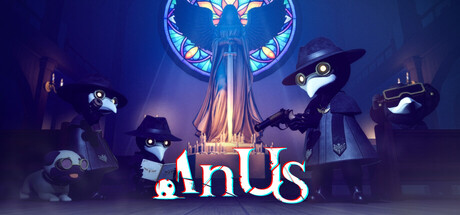
In Us is developed by a small independent studio in Japan. We incorporate generative AI tools into our development pipeline to assist in the creation of certain art assets. However, every asset included in the final game is reviewed, refined, and finalized by our human artists. No asset exists in the game without human authorship.
We chose to disclose this openly because players deserve to know how the games they play are made. We understand the concerns the creative community has about generative AI, and we are committed to keeping human craft at the center of our work — both now and in everything we make in the future.
During development, we used generative AI tools to assist with certain visual assets, including images and 3D models. All AI-generated content was pre-produced during the development phase and has been manually reviewed and validated. No real-time AI generation occurs during gameplay.
Some of the game's art assets, music and sound effects are assisted by AI generation. All AI-generated content has been manually screened, revised and reviewed to ensure no infringement of third-party copyrights. No new real-time AI content will be generated during gameplay.
This game uses generative AI as part of its development process. Most of the game’s implementation is based on AI-assisted code generated through prompts, which is then reviewed, modified, and integrated by the developer.
Generative AI is also used to create some 3D assets, including the player character object and certain background building objects. These assets are not used as raw AI output; they are selected, adjusted, revised, and optimized for in-game use by the developer before being implemented in the game.
The content shown in this game is not generated live during gameplay. It is created and reviewed in advance before being included in the final product.
- Pre-generated: "3D character/monster models generated via Tripo3D from concept art, textures via Ludo AI. All assets reviewed and integrated by developer. No live AI generation at runtime."
- Guardrails: Human review of all generated assets before shipping.
I believe in being fully transparent with my players regarding the tools used to bring this project to life. As a solo developer and non-native English speaker, I have utilized AI as a supportive tool to enhance the experience, though the core vision and logic of the game remain my own.
Art & Visuals: To ensure the game has a polished aesthetic, I used AI to refine my hand-drawn concepts into final assets. This allowed me to translate my original sketches into high-quality visuals that I otherwise could not have afforded as an independent creator.
Language & Localization: With over 1,500 unique glyphs and numerous Rune combinations, I used AI to assist with naming and linguistic consistency. This ensures that the English translation is natural and clear for all players.
Real-Time Community Chat: To foster an inclusive community, the game features an integrated translation tool. This allows players to chat in their native languages while providing instant translations for others, ensuring everyone can participate in the conversation.
Development & Optimization: AI assisted in proofing my original combat code and expanding on my base mechanics to create more diverse gameplay options. It also serves as a diagnostic tool to help me identify and patch bugs quickly, ensuring a stable and fair experience for everyone.
AI is a tool to empower my creativity, not a replacement for it. My goal is to use these technologies to deliver a deeper, more polished game than a solo project would typically allow.
Billionaire MAX is an indie game where the core game design, mechanics, balance, and creative direction were authored by the developer, while the implementation work was assisted by AI tools.
The following content was created with AI assistance:
- Source code: Game logic, UI, networking, and other code was written with the help of AI coding assistants. All code was reviewed, tested, and integrated by the developer.
- Visual assets: Achievement icons, sector illustrations, and in-game card art were generated with AI image generation tools. The developer curated, edited, and selected every asset before inclusion.
- Sound effects: Created with AI audio generation tools. The developer curated and selected each sound effect before inclusion.
- Localization: Initial drafts of English, Korean, and Simplified Chinese translations were produced with AI assistance, then proofread and refined by the developer.
The following content was NOT created with AI:
- Game design and rules
- Music
- Final QA and gameplay tuning
No AI generation occurs at runtime. The game does not invoke any AI service during gameplay; players never see content produced live by AI.
Some image assets and visual resources were created with the assistance of generative AI, then reviewed, edited, and refined by the developer. No live generative AI content is included during gameplay.
Generative AI tools may be used during development to assist with translations for supported languages. These translations may appear as in-game text. The game does not use live-generated AI content during gameplay.
WinBolo's core engine and gameplay code was originally written by John Morrison between 1998 and 2008. The 2.0 modernization — including build system updates, the networking rewrite and platform ports — was developed with assistance from AI coding tools, with all architectural decisions, code review, and final integration handled by John Morrison.
Some non-gameplay marketing materials — including images and video elements used in trailers, social media, and the store page — were created using AI image generation as a starting point, with composition, editing, effects, and final selection done by hand. Gameplay screenshots and video footage are unedited captures from the actual game.
The game itself contains no generative AI content at runtime. Player-facing in-game assets (graphics, sound, music, text, UI) are human-created. The in-game AI opponents ("Brains," including NewAutopilot and future ML-trained agents) use traditional game AI techniques and trained reinforcement-learning models — they don't generate text, images, or audio during play.
Generative AI tools were used during development to assist with the creation of some pre-generated 2D artwork and static visual assets included in the game, Steam store page, and marketing materials. AI tools were also used as development assistance for portions of the code. All resulting content was completed and integrated before release. The game does not use generative AI during gameplay, does not connect to external generative AI services, and does not generate text, images, audio, or other content at runtime.
As a solo developer, I used AI tools as a foundation to expand the game's scope, manually refining and finalizing every asset to ensure the final result is a high-quality, handcrafted experience.
Heart Duels is a solo-developed game. I use AI-assisted tools for some art and audio. All assets are curated and integrated by me to create a cohesive experience.
Storefront and Marketing Materials: Generative AI was used to assist in drafting, refining, and localizing the text content for the Steam store page and promotional descriptions.
In-Game Content: All final visual assets, code, and audio within the game have been created and designed by our development team. There is no AI-generated content produced in real-time during gameplay.
Game Demon uses large language models (Llama 3.1/3.3 via Groq API, plus optional local Ollama inference) to generate coaching text in real time from the user's match data. Vision models analyze user-sampled frames. No user content is sent to third parties without explicit opt-in. No generative images or audio in final output.
This game uses generative AI tools in a limited capacity:
🎨 Marketing & Concept Materials: Some marketing materials, store page assets, and early concept visuals were created or refined using generative AI tools during development.
All AI-assisted content was reviewed, edited, and approved by the development team before publication.
Generative AI was used solely as a supplementary tool for music composition and a small number of non-core textures (such as background patterns and decorative assets). All AI-assisted content has undergone significant manual refinement and human oversight to ensure it meets our artistic standards and visual style. AI was used only to enhance development efficiency; all core character designs, key art, and narrative elements remain 100% human-authored.
Some of Bitroca's visual assets, UI elements, and audio were created with the help of generative AI tools, then
reviewed and finalized by a human developer before shipping. All content is pre-rendered and baked into the build no AI content is generated during gameplay.
In Us is developed by a small independent studio in Japan. We incorporate generative AI tools into our development pipeline to assist in the creation of certain art assets. However, every asset included in the final game is reviewed, refined, and finalized by our human artists. No asset exists in the game without human authorship.
We chose to disclose this openly because players deserve to know how the games they play are made. We understand the concerns the creative community has about generative AI, and we are committed to keeping human craft at the center of our work — both now and in everything we make in the future.
During development, we used generative AI tools to assist with certain visual assets, including images and 3D models. All AI-generated content was pre-produced during the development phase and has been manually reviewed and validated. No real-time AI generation occurs during gameplay.
Some of the game's art assets, music and sound effects are assisted by AI generation. All AI-generated content has been manually screened, revised and reviewed to ensure no infringement of third-party copyrights. No new real-time AI content will be generated during gameplay.
This game uses generative AI as part of its development process. Most of the game’s implementation is based on AI-assisted code generated through prompts, which is then reviewed, modified, and integrated by the developer.
Generative AI is also used to create some 3D assets, including the player character object and certain background building objects. These assets are not used as raw AI output; they are selected, adjusted, revised, and optimized for in-game use by the developer before being implemented in the game.
The content shown in this game is not generated live during gameplay. It is created and reviewed in advance before being included in the final product.