








Disclosure
Steam capsules are AI generated. SFXs are AI generated. Nothing else in the game is AI generated.
- Creator
- geogear
- Reviews
- -
- Added
- Sep 16, 2026
Public Steam disclosure research 25,376 disclosures tracked
Search developers’ Steam disclosures, compare classified AI use across games, and follow recorded changes. This index adds cross-game classifications and statistics to statements published on individual store pages.
Code help, debugging and other development work.
Capsule art, trailers and promotional material.
Pre-made art, audio, writing and other game assets.
Interactive or runtime AI features disclosed by the developer.
Groups reflect automatic analysis of public disclosures; mature records are excluded. These counts do not measure AI use across all of Steam. Missing or unclear statements cannot establish whether a game uses AI.
Steam capsules are AI generated. SFXs are AI generated. Nothing else in the game is AI generated.
As a solo developer AI is helping bring this vision to life by generating some of the visual and audio assets as well as assisting with development.
Generative AI tools were used during development to assist with the creation and refinement of some pre-generated 2D artwork, UI illustrations, icons, promotional images, and selected audio assets. All AI-assisted outputs were reviewed, edited, and integrated by the developer. The game does not generate content with AI at runtime, and no player input is sent to an AI service.
Almost all of the art in the game has been created by Alexandr Elichev, the artist of the original Gloomhaven board game. A few missing art assets for summoned creatures for characters for this game were generated with AI. We hope to be able to replace these with official art as time progresses (and when I have a stable job to be able to pay for this).
Ai has been used for music and art creation.
Some art assets, sound effects and texts of this game are produced with the assistance of generative AI. No real‑time AI‑generated content will be created during gameplay.
This demo uses generative AI tools to create most of the character art, illustrations, and visual assets. All AI-generated content has been reviewed and edited by the development team to ensure quality and compliance with Steam policies. No illegal or infringing material is included.
Generative AI was used to create or assist with certain Steam store-page marketing assets, including capsule/header artwork.
The images, music, and animation content in the game were created using AI.
Card illustrations, portraits, faction banners and store capsule artwork were created with generative AI image tools, then curated, edited and integrated by the developer. All game design, rules, card text, writing and music selection are human-made. No AI-generated content is produced at runtime.
We used AI tools very lightly — mostly to help us brainstorm ideas and speed up small tasks. All core gameplay, design, and content were handcrafted
Generative AI tools are used during development to write and revise game code, create artwork, music and sound effects, and assist with writing and localization. This includes content in the game and its store and promotional materials. The developer directs and reviews the work before inclusion. No content is generated using generative AI during gameplay.
In the process of creating some 2D prop assets, generative AI technology was used in an assistive capacity. Any such assets are subject to our production pipeline, where they will be reviewed and replaced by our art and development teams to ensure they meet our quality standards and creative direction.
Era Echo is developed by a solo developer. Generative AI tools are used to assist with development and production (for example concepting, drafts, and iteration), which has helped make shipping a solo project practical. All shipped content is reviewed and directed by the developer.
This game uses generative AI in the following ways: Music — tracks were built from AI-generated material, then edited and arranged by hand. Title artwork — an AI-generated rough was used as reference and redrawn by hand as pixel art. English localization — the English text was machine-translated and then reviewed and corrected by the developer. Code — parts of the game's code were written with AI assistance. Everything else is made by the developer by hand: all 145 in-game icons, every UI image, the cigarette package illustrations, and the achievement icons.
Vestibule's pixel art was generated with an AI art tool, with every design directed, refined, and hand-edited by the developer. Individual trailer and cinematic clips were generated with an AI video tool, built from the game's own artwork and developer-written scene descriptions — the final edit, scene sequencing, and music timing were done manually by the developer in After Effects. All game design, systems, writing, and code are original work.
Some artwork and promotional images used on the Steam store page were created with assistance from generative AI and subsequently reviewed and approved by humans. The game’s narrative voice-over uses pre-generated text-to-speech audio. No content is generated in real time during gameplay.
During development, generative AI tools were used to assist with selected pre-generated visual content, including some card illustrations, comic imagery and marketing artwork. Each included illustration was deliberately selected, art-directed and integrated into FIVE STAT FRENZY!’s own comic-watercolour style, cast of characters, game rules and connected Paperlight City story. The released game uses no generative AI at runtime. Players do not enter AI prompts, and the game does not generate new images, text, dialogue, music or gameplay content while it is being played. Card values, rules, deckbuilding, rivals, campaign progression and comic unlocks are fixed, tested game content.
Generative AI is used to localize (translate) in-game text.
AI was used to assist with localization of the game's store page into additional languages as a placeholder until I am able to hire a localization team. All localized text was reviewed and edited before publication.
The English and Turkish text in Slots & Skulls is written entirely by the developer. Gen AI was used only to translate in game and store text into the game's other supported languages. No AI tools were used to create any visual or audio asset: all art, animation, UI, music and sound effects are made by hand or licensed from human creators.
Some marketing artwork for the store page (the capsule's sky, city backdrop, rain and lettering layers) was produced with generative image tools (OpenAI image generation, Google Gemini) and then composited and edited by hand. A few placeholder textures currently in the build (the city seen through the office window and its signs, and the sample sheets in the customization menu) were AI-generated and are scheduled to be replaced with licensed or hand-made art before release. AI coding and writing assistants were used during development for parts of the source code, documentation and drafts of store text; all game rules, design decisions and final art direction are the developer's own. The game does not generate content with AI at runtime.
This game uses generative AI in the following areas: Art: Character sprites, background images, UI elements, and other visual assets were created with the assistance of generative AI tools. All generated assets were reviewed, edited, and adjusted by the developer before being used in the game. Localization: Store page text and in-game text in languages other than Japanese were translated with the assistance of generative AI, and reviewed before publication. Programming: Generative AI was used as a coding assistant during development. No AI-generated content is produced at runtime. All game content is fixed and pre-authored.
Some of the game's artwork was created with the assistance of generative AI during development.
AI was used for translation
The illustrations in this game (Battle Card art, faction emblems, Commander portraits and board imagery) were generated with Midjourney, working from the designer's own concept art and art direction. Each image was then selected, tone-matched to the card stock, fitted and composited into the game's frames. Card names, card text and the written rules were drafted with the assistance of a large language model, working from the designer's original hand-written rules and card designs, then edited and finalized by hand. The music and sound effects were generated with Suno. Voice recordings were performed by the creator. The game itself is a person's work: the rules, the mechanics, the economy and the balance decisions were designed by hand over many revisions, with AI used as a collaborator rather than an author. The physical board game came first. No content is generated by AI while you play. The computer opponents are conventional rule-based code, not a generative model.
Some of the card artwork in this game is created with the assistance of generative AI tools, and then reviewed and refined by the developer.
The game uses generative AI to create molecular structures during gameplay. Molecules are procedurally generated by a generative AI model embedded locally within the game and operating as part of the game’s molecular design system. The in-game generative AI system is used exclusively for molecular structure generation and does not generate dialogue, artwork, music, or other narrative content during gameplay. During development, generative AI tools were used to assist with artwork preparation, text polishing, and UI code development.
The illustrations in Dead Market — the 247 card images, the cutscene plates, the premises backdrops and the nine-slice chrome — were generated with image models during development, then selected, corrected, composed and integrated by hand against the game's own manifest. Everything that displays a live value is drawn procedurally in the engine rather than being an image. The spoken lines were synthesised from a written script, one voice per character, and edited into the game. Nothing is generated while the game runs. There is no model in the build, no network code and no telemetry.
AI was used to develop this game.
Generative AI is used for a portion of the 2D art and sound effects.
Some of the original art in this game (the bonus cards, bomb card, curse card, crimson paulownia card, soiled card back, pixel card back, two reward chest frames, and combination popup frame) was created using AI-assisted procedural generation scripts. The store capsules, icon, and trailer are derived from this in-game art and are therefore covered by this disclosure. All supported languages other than Korean (including English) were translated using AI translation tools, then checked through machine back-translation and additional review.
Setlist Shuffle ships two categories of pre-generated, player-facing AI content. They are the card illustrations and the genre music tracks. Both sets were reviewed and hand-selected before release and ship as fixed assets. No content is generated live during play, and the game contains no AI-driven chat or dialogue. Everything else is not AI-generated: the achievement icons are hand-drawn vectors, and all game text, design and simulation logic are the developer's own.
Some of the art assets are AI-generated.
Ai was used to create concept art.
All supported languages are localized. English and Hungarian were translated manually, while all other languages were produced with AI assistance.
INK ABYSS WALKER was crafted by a single indie developer. During development, AI tools were used as an assist to produce quick, early drafts of some illustrations and text — helping an ink-soaked idea take shape as images and words more efficiently. The core gameplay, worldbuilding, card and number balance, narrative, and overall tone, however, were all led, iterated and finalised by hand by the developer. AI is a tool that helps an idea move faster — not the author of it. Everything you see was selected, refined and re-crafted by a person, to keep faith with the game's ink-wash spirit. Thank you to every walker who carries the lamp onward.
This game uses Generative AI during development for localization and select artwork.
I am a professional artist who lost the majority of my vision many years ago. Now legally blind, I use AI to generate base images and I create what I call "Hybrid Art", in which I combine my own art and skills with the generations to still create art that I love. This technique has been used in Hex & Tonic for card art, store page art, etc. I hope it brings you as much joy as I got creating for you.
Generative AI was used as a supplementary tool in the translation process for certain system languages in this title. AI was utilized to help improve translation efficiency and quality. However, all final translations are reviewed and edited by the development team before being implemented. All translated text is reviewed by human editors to ensure it is accurate, appropriate, and of high quality.
Some of this game’s art assets and code are generated by AI.
Generative AI tools were used during the development of MINTHAVEN to assist with creating and iterating visual assets, including concept art and card artwork. AI-generated content is reviewed, edited, and integrated by the development team. No generative AI content is created in real time during gameplay.
This game contains some content created with the assistance of AI tools, including but not limited to character concept designs, artwork, background music, and other visual/audio assets. All AI-generated content has been reviewed, modified, and integrated by the developer to ensure consistency with the game's overall style and quality. No AI-generated content is created in real-time during gameplay.
Graphical assets were generated suing AI
Visual assets in this game — symbol icons, charm icons, user interface elements, machine and objective icons, and store artwork — were created with generative AI tools and then selected, edited, sized and integrated by hand. Game code was written with AI assistance under human direction. Design, balancing decisions and final text are authored by the developer.
This game was developed with AI coding agents (Anthropic Claude / OpenAI Codex). All in-game pixel art (ingredients, relics, character faces, UI) is rendered by drawing code and pixel-placement scripts written by these agents; no diffusion/image-generation model output is included. Music and SFX are procedurally generated at runtime from AI-assisted code. In-game text, store page copy, and translations into 10 languages were produced with AI assistance and reviewed by the developer. Trailer scripts and captions were also AI-assisted. All content has been reviewed by the developer.
Some assets in this game were created with the help of generative AI. Generative AI was used to produce background art, background music, sound effects, and in-game icons.
Localization and some art work assisted by AI tools
我在开发过程中使用了AI工具来生成部分3D模型和贴图及音频作为基础资产。所有由AI生成的资产在最终整合到游戏前,均经过了人工筛选、编辑和优化,以确保其符合游戏的艺术风格和质量标准。
Some art assets including card illustrations, character and prop art were created with the assistance of generative‑AI tools during development. All AI‑assisted materials have been manually reviewed, edited and reworked. No content is dynamically generated by AI during gameplay.
| Title⇅ | Disclosure | Creator⇅ | Src | Reviews⇅ | Added↓ |
|---|---|---|---|---|---|
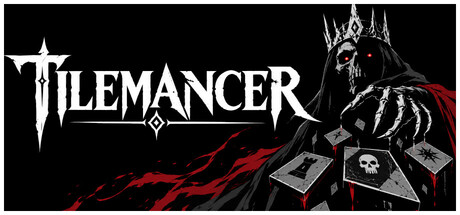 Tilemancer In-game content audioart | Steam capsules are AI generated.
SFXs are AI generated.
Nothing else in the game is AI generated. | geogear | - | Sep 16, 2026 | |
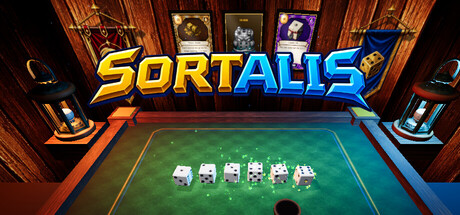 Sortalis In-game content artaudio | As a solo developer AI is helping bring this vision to life by generating some of the visual and audio assets as well as assisting with development. | Mike Schmoyer | - | Sep 16, 2026 | |
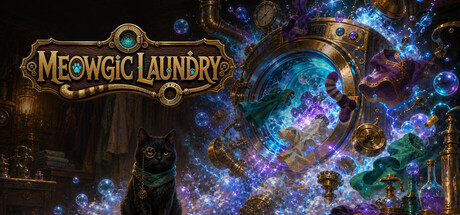 猫法洗衣房 In-game content artaudio | Generative AI tools were used during development to assist with the creation and refinement of some pre-generated 2D artwork, UI illustrations, icons, promotional images, and selected audio assets. All AI-assisted outputs were reviewed, edited, and integrated by the developer. The game does not generate content with AI at runtime, and no player input is sent to an AI service. | awucookie | - | Sep 16, 2026 | |
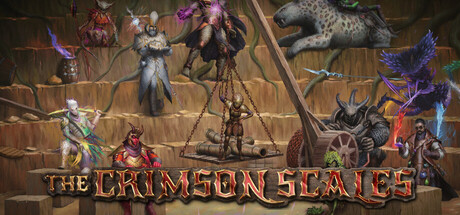 The Crimson Scales In-game content art | Almost all of the art in the game has been created by Alexandr Elichev, the artist of the original Gloomhaven board game. A few missing art assets for summoned creatures for characters for this game were generated with AI. We hope to be able to replace these with official art as time progresses (and when I have a stable job to be able to pay for this). | Tall Tree | - | Sep 16, 2026 | |
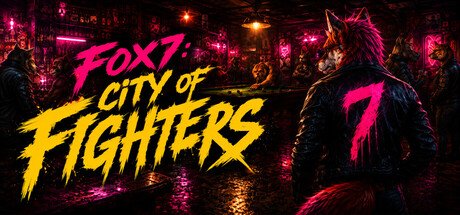 Fox7: City Of Fighters In-game content artaudio | Ai has been used for music and art creation. | Daniel Fox | - | Sep 16, 2026 | |
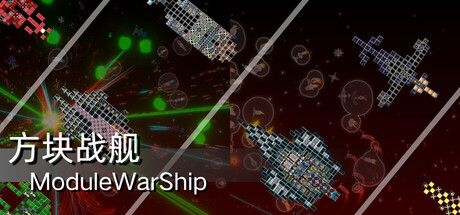 方块战舰: Module Warship In-game content artaudiotext | Some art assets, sound effects and texts of this game are produced with the assistance of generative AI. No real‑time AI‑generated content will be created during gameplay. | XiuM | - | Sep 16, 2026 | |
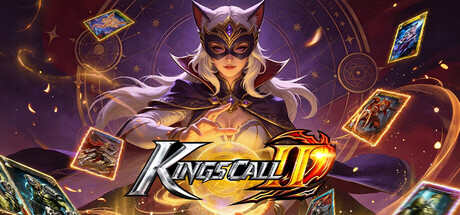 Kings Call 2 In-game content art | This demo uses generative AI tools to create most of the character art, illustrations, and visual assets. All AI-generated content has been reviewed and edited by the development team to ensure quality and compliance with Steam policies. No illegal or infringing material is included. | X Star Game Limited | - | Sep 16, 2026 | |
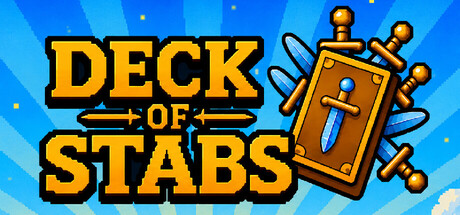 Deck of Stabs Store/marketing art | Generative AI was used to create or assist with certain Steam store-page marketing assets, including capsule/header artwork. | RetroAction Games | - | Sep 15, 2026 | |
 九州 In-game content artaudio | The images, music, and animation content in the game were created using AI. | FangXueHui | - | Sep 15, 2026 | |
 Tughra: Seals of Empire In-game content arttext | Card illustrations, portraits, faction banners and store capsule artwork were created with generative AI image tools, then curated, edited and integrated by the developer. All game design, rules, card text, writing and music selection are human-made. No AI-generated content is produced at runtime. | Nine Gates Studio | - | Sep 15, 2026 | |
 BANNER PROTOCOL Dev only | We used AI tools very lightly — mostly to help us brainstorm ideas and speed up small tasks. All core gameplay, design, and content were handcrafted | OkoYan | - | Sep 15, 2026 | |
 Drink Tea Fight Monsters In-game content artaudiotextcode | Generative AI tools are used during development to write and revise game code, create artwork, music and sound effects, and assist with writing and localization. This includes content in the game and its store and promotional materials. The developer directs and reviews the work before inclusion. No content is generated using generative AI during gameplay. | Predust Entertainment | - | Sep 15, 2026 | |
 灵韵牌:清浊之间 Dev only art | In the process of creating some 2D prop assets, generative AI technology was used in an assistive capacity. Any such assets are subject to our production pipeline, where they will be reviewed and replaced by our art and development teams to ensure they meet our quality standards and creative direction. | WU BAIZHAO | - | Sep 15, 2026 | |
 Era Echo Dev only | Era Echo is developed by a solo developer. Generative AI tools are used to assist with development and production (for example concepting, drafts, and iteration), which has helped make shipping a solo project practical. All shipped content is reviewed and directed by the developer. | NOOK STUDIO | - | Sep 15, 2026 | |
 smoke.exe In-game content audioarttextcode | This game uses generative AI in the following ways:
Music — tracks were built from AI-generated material, then edited and arranged by hand.
Title artwork — an AI-generated rough was used as reference and redrawn by hand as pixel art.
English localization — the English text was machine-translated and then reviewed and corrected by the developer.
Code — parts of the game's code were written with AI assistance.
Everything else is made by the developer by hand: all 145 in-game icons, every UI image, the cigarette package illustrations, and the achievement icons. | usasan3 | - | Sep 13, 2026 | |
 Vestibule In-game content art | Vestibule's pixel art was generated with an AI art tool, with every design directed, refined, and hand-edited by the developer. Individual trailer and cinematic clips were generated with an AI video tool, built from the game's own artwork and developer-written scene descriptions — the final edit, scene sequencing, and music timing were done manually by the developer in After Effects. All game design, systems, writing, and code are original work. | blightwork | - | Sep 13, 2026 | |
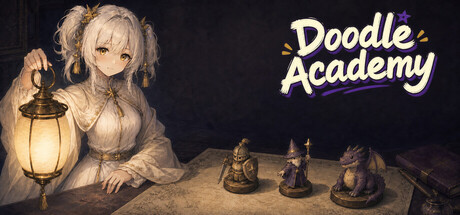 涂鸦学院 In-game content artaudio | Some artwork and promotional images used on the Steam store page were created with assistance from generative AI and subsequently reviewed and approved by humans. The game’s narrative voice-over uses pre-generated text-to-speech audio. No content is generated in real time during gameplay. | CC社 | - | Sep 13, 2026 | |
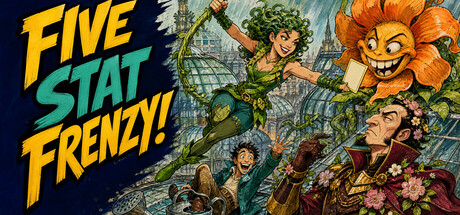 FIVE STAT FRENZY! In-game content art | During development, generative AI tools were used to assist with selected pre-generated visual content, including some card illustrations, comic imagery and marketing artwork. Each included illustration was deliberately selected, art-directed and integrated into FIVE STAT FRENZY!’s own comic-watercolour style, cast of characters, game rules and connected Paperlight City story.
The released game uses no generative AI at runtime. Players do not enter AI prompts, and the game does not generate new images, text, dialogue, music or gameplay content while it is being played. Card values, rules, deckbuilding, rivals, campaign progression and comic unlocks are fixed, tested game content. | ZELVANIX | - | Sep 13, 2026 | |
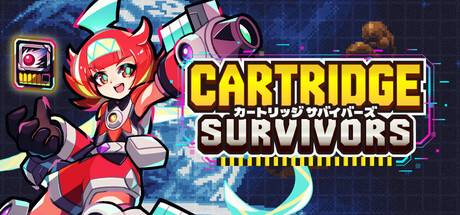 Cartridge Survivors In-game content text | Generative AI is used to localize (translate) in-game text. | Chipbeat Studio | - | Sep 13, 2026 | |
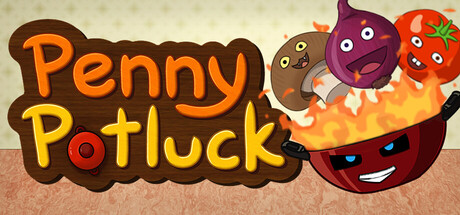 Penny Potluck In-game content text | AI was used to assist with localization of the game's store page into additional languages as a placeholder until I am able to hire a localization team. All localized text was reviewed and edited before publication. | Phoenix Hunt | - | Sep 13, 2026 | |
 Slots & Skulls In-game content text | The English and Turkish text in Slots & Skulls is written entirely by the developer. Gen AI was used only to translate in game and store text into the game's other supported languages.
No AI tools were used to create any visual or audio asset: all art, animation, UI, music and sound effects are made by hand or licensed from human creators. | Trina Interactive | - | Sep 13, 2026 | |
 Par Under Review In-game content arttextcode | Some marketing artwork for the store page (the capsule's sky, city backdrop, rain and lettering layers) was produced with generative image tools (OpenAI image generation, Google Gemini) and then composited and edited by hand. A few placeholder textures currently in the build (the city seen through the office window and its signs, and the sample sheets in the customization menu) were AI-generated and are scheduled to be replaced with licensed or hand-made art before release. AI coding and writing assistants were used during development for parts of the source code, documentation and drafts of store text; all game rules, design decisions and final art direction are the developer's own. The game does not generate content with AI at runtime. | Minor Planet Games | - | Sep 12, 2026 | |
 MonsterLegion textcode | This game uses generative AI in the following areas:
Art: Character sprites, background images, UI elements, and other
visual assets were created with the assistance of generative AI tools.
All generated assets were reviewed, edited, and adjusted by the
developer before being used in the game.
Localization: Store page text and in-game text in languages other
than Japanese were translated with the assistance of generative AI,
and reviewed before publication.
Programming: Generative AI was used as a coding assistant during
development.
No AI-generated content is produced at runtime. All game content
is fixed and pre-authored. | 反省文工房 | - | Sep 12, 2026 | |
 Forest Explorer In-game content art | Some of the game's artwork was created with the assistance of generative AI during development. | Mori Eating | - | Sep 12, 2026 | |
 doodle towers In-game content text | AI was used for translation | yummypotato | - | Sep 12, 2026 | |
 100 Years Atop Mount Ellumbee In-game content arttextaudio | The illustrations in this game (Battle Card art, faction emblems, Commander portraits and board imagery) were generated with Midjourney, working from the designer's own concept art and art direction. Each image was then selected, tone-matched to the card stock, fitted and composited into the game's frames.
Card names, card text and the written rules were drafted with the assistance of a large language model, working from the designer's original hand-written rules and card designs, then edited and finalized by hand. The music and sound effects were generated with Suno. Voice recordings were performed by the creator.
The game itself is a person's work: the rules, the mechanics, the economy and the balance decisions were designed by hand over many revisions, with AI used as a collaborator rather than an author. The physical board game came first.
No content is generated by AI while you play. The computer opponents are conventional rule-based code, not a generative model. | Sweet Puppy Media | - | Sep 12, 2026 | |
 Evons In-game content art | Some of the card artwork in this game is created with the assistance of generative AI tools, and then reviewed and refined by the developer. | Evons Games | - | Sep 12, 2026 | |
 Trust Me, It Binds Live AI arttextcode | The game uses generative AI to create molecular structures during gameplay. Molecules are procedurally generated by a generative AI model embedded locally within the game and operating as part of the game’s molecular design system.
The in-game generative AI system is used exclusively for molecular structure generation and does not generate dialogue, artwork, music, or other narrative content during gameplay.
During development, generative AI tools were used to assist with artwork preparation, text polishing, and UI code development. | Membrizard | - | Sep 12, 2026 | |
 Dead Market In-game content art | The illustrations in Dead Market — the 247 card images, the cutscene plates, the premises backdrops and the nine-slice chrome — were generated with image models during development, then selected, corrected, composed and integrated by hand against the game's own manifest. Everything that displays a live value is drawn procedurally in the engine rather than being an image. The spoken lines were synthesised from a written script, one voice per character, and edited into the game.
Nothing is generated while the game runs. There is no model in the build, no network code and no telemetry. | Bartjuh3 | - | Sep 12, 2026 | |
 MaMills Unclear | AI was used to develop this game. | Department of Ducks | - | Sep 12, 2026 | |
 Croupiered In-game content artaudio | Generative AI is used for a portion of the 2D art and sound effects. | Variazioni Games | - | Sep 11, 2026 | |
 RogueHanafuda In-game content arttext | Some of the original art in this game (the bonus cards, bomb card, curse card, crimson paulownia card, soiled card back, pixel card back, two reward chest frames, and combination popup frame) was created using AI-assisted procedural generation scripts. The store capsules, icon, and trailer are derived from this in-game art and are therefore covered by this disclosure.
All supported languages other than Korean (including English) were translated using AI translation tools, then checked through machine back-translation and additional review. | WildBerry | - | Sep 11, 2026 | |
 Setlist Shuffle In-game content artaudio | Setlist Shuffle ships two categories of pre-generated, player-facing AI content. They are the card illustrations and the genre music tracks.
Both sets were reviewed and hand-selected before release and ship as fixed assets. No content is generated live during play, and the game contains no AI-driven chat or dialogue.
Everything else is not AI-generated: the achievement icons are hand-drawn vectors, and all game text, design and simulation logic are the developer's own. | Dan's Brain Fart Factory | - | Sep 10, 2026 | |
 Draft to Legion In-game content art | Some of the art assets are AI-generated. | for1399ad | - | Sep 10, 2026 | |
 Slime Kingdom: The Tale of the Slime That Became a Hero Dev only art | Ai was used to create concept art. | Slime Kingdom games | - | Sep 10, 2026 | |
 Genomino In-game content text | All supported languages are localized. English and Hungarian were translated manually, while all other languages were produced with AI assistance. | Nailed Games | - | Sep 10, 2026 | |
 墨渊行者 INK ABYSS WALKER Dev only arttext | INK ABYSS WALKER was crafted by a single indie developer. During development, AI tools were used as an assist to produce quick, early drafts of some illustrations and text — helping an ink-soaked idea take shape as images and words more efficiently. The core gameplay, worldbuilding, card and number balance, narrative, and overall tone, however, were all led, iterated and finalised by hand by the developer. AI is a tool that helps an idea move faster — not the author of it. Everything you see was selected, refined and re-crafted by a person, to keep faith with the game's ink-wash spirit. Thank you to every walker who carries the lamp onward. | YukiMio Studio | - | Sep 10, 2026 | |
 Slot Heroes In-game content textart | This game uses Generative AI during development for localization and select artwork. | Team HoneyPot | - | Sep 10, 2026 | |
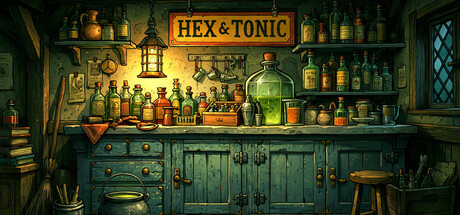 Hex & Tonic In-game content art | I am a professional artist who lost the majority of my vision many years ago. Now legally blind, I use AI to generate base images and I create what I call "Hybrid Art", in which I combine my own art and skills with the generations to still create art that I love. This technique has been used in Hex & Tonic for card art, store page art, etc. I hope it brings you as much joy as I got creating for you. | Lorewright Studios | - | Sep 10, 2026 | |
 Yu-Gi-Oh! Tag Force GX In-game content text | Generative AI was used as a supplementary tool in the translation process for certain system languages in this title.
AI was utilized to help improve translation efficiency and quality. However, all final translations are reviewed and edited by the development team before being implemented.
All translated text is reviewed by human editors to ensure it is accurate, appropriate, and of high quality. | Matrix Corporation | - | Sep 10, 2026 | |
 Rouge Bang In-game content artcode | Some of this game’s art assets and code are generated by AI. | DREAMBEACON | - | Sep 10, 2026 | |
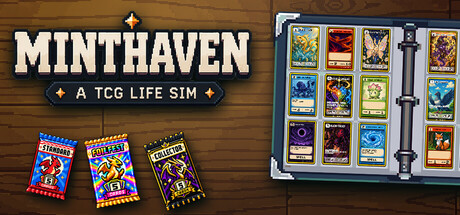 MINTHAVEN: A TCG Life Sim In-game content art | Generative AI tools were used during the development of MINTHAVEN to assist with creating and iterating visual assets, including concept art and card artwork. AI-generated content is reviewed, edited, and integrated by the development team. No generative AI content is created in real time during gameplay. | Paper Nook Games | - | Sep 9, 2026 | |
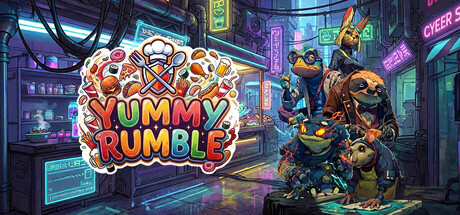 Yummy Rumble In-game content artaudio | This game contains some content created with the assistance of AI tools, including but not limited to character concept designs, artwork, background music, and other visual/audio assets. All AI-generated content has been reviewed, modified, and integrated by the developer to ensure consistency with the game's overall style and quality. No AI-generated content is created in real-time during gameplay. | Jolly Studio | - | Sep 9, 2026 | |
 The Kings Last Hand Unclear art | Graphical assets were generated suing AI | Skeleton Arm Studios | - | Sep 8, 2026 | |
 Lucky Debt In-game content artcode | Visual assets in this game — symbol icons, charm icons, user interface elements, machine and objective icons, and store artwork — were created with generative AI tools and then selected, edited, sized and integrated by hand. Game code was written with AI assistance under human direction. Design, balancing decisions and final text are authored by the developer. | Piero Porro | - | Sep 7, 2026 | |
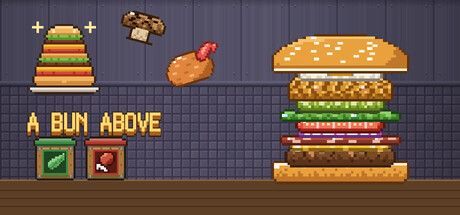 いただきバーガー In-game content artaudiotextcode | This game was developed with AI coding agents (Anthropic Claude / OpenAI Codex). All in-game pixel art (ingredients, relics, character faces, UI) is rendered by drawing code and pixel-placement scripts written by these agents; no diffusion/image-generation model output is included. Music and SFX are procedurally generated at runtime from AI-assisted code. In-game text, store page copy, and translations into 10 languages were produced with AI assistance and reviewed by the developer. Trailer scripts and captions were also AI-assisted. All content has been reviewed by the developer. | NoZworks | - | Sep 7, 2026 | |
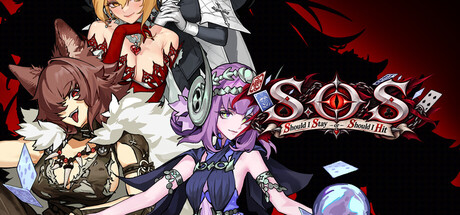 SOS :Should I Stay or Should I Hit In-game content artaudio | Some assets in this game were created with the help of generative AI. Generative AI was used to produce background art, background music, sound effects, and in-game icons. | AFTERTIME.INC | - | Sep 7, 2026 | |
 Abarya In-game content arttext | Localization and some art work assisted by AI tools | Chase Walters | - | Sep 7, 2026 | |
 钓鱼加卡牌有没有搞头 In-game content artaudio | 我在开发过程中使用了AI工具来生成部分3D模型和贴图及音频作为基础资产。所有由AI生成的资产在最终整合到游戏前,均经过了人工筛选、编辑和优化,以确保其符合游戏的艺术风格和质量标准。 | 有没有搞头 | - | Sep 7, 2026 | |
 麒麟刀 In-game content art | Some art assets including card illustrations, character and prop art were created with the assistance of generative‑AI tools during development. All AI‑assisted materials have been manually reviewed, edited and reworked. No content is dynamically generated by AI during gameplay. | Zyjoyland Games | - | Sep 7, 2026 |


