








Disclosure
This is a project that uses AI to make an old RTS program run in a web browser. The images were generated using GPT image generation.
- Creator
- saizwong
- Reviews
- -
- Added
- Aug 22, 2026
Public Steam disclosure research 25,376 disclosures tracked
Search developers’ Steam disclosures, compare classified AI use across games, and follow recorded changes. This index adds cross-game classifications and statistics to statements published on individual store pages.
Code help, debugging and other development work.
Capsule art, trailers and promotional material.
Pre-made art, audio, writing and other game assets.
Interactive or runtime AI features disclosed by the developer.
Groups reflect automatic analysis of public disclosures; mature records are excluded. These counts do not measure AI use across all of Steam. Missing or unclear statements cannot establish whether a game uses AI.
This is a project that uses AI to make an old RTS program run in a web browser. The images were generated using GPT image generation.
No Generative AI Content is used in this game. AI was used to help point me in the right direction to tutorials and help with bug fixes to code.
Generative AI was used to create some of the image and sound assets used in the game. These include character illustrations, card artwork, design elements, and some sound assets. All AI-generated content was reviewed and edited as necessary by the developer before being included in the game. The game does not generate AI content during gameplay and does not connect to external AI services.
Some visual assets and text content used in this game were created or assisted by generative artificial intelligence tools. All AI-generated content has been reviewed, edited, and integrated by the development team to ensure consistency with the game's design and quality standards.
Generative AI tools were used during development to assist with the creation and iteration of some 2D artwork, visual assets, UI elements, and marketing materials. All generated content used in the final product is selected and reviewed by the developer. No generative AI content is generated during gameplay.
Some Pictures
Part of the game's art illustrations and promotional materials are assisted by generative AI. All AI-generated assets have been manually reviewed, edited and verified for compliance, with no infringing or illegal content.
Stick Crisis was developed with assistance from generative AI tools. AI-assisted image and animation tools were used to create selected visual assets, character animation frames and pre-rendered cinematics; these materials were reviewed, edited and integrated by the developer. AI coding assistants also contributed to portions of the source code. The game does not generate content during gameplay or connect to generative AI services at runtime.
AI was used for prototyping, asset generation and coding assistance.
The visual art in Gearbound is made with PixelLab, an AI pixel-art tool. Every sprite, animation, tileset, background, prop, interface element and piece of marketing art was generated with PixelLab and then directed, edited and assembled by us. The music and sound effects are rendered by synthesis scripts that were written with AI assistance. No generative audio model was used, and nothing was sourced from a music-generation service. Nothing is generated by AI while you play. Every asset is finished and baked into the build before it ships, and the game makes no AI calls at runtime.
The narrative and interface text in this game - dialogue, tutorial guidance, in-game descriptions, and localization into all supported languages (Russian, English, French, Italian, German, Spanish, Dutch, Polish, Portuguese) - was generated with the assistance of generative AI (a large language model), based on the developer's original game concept, design, and creative direction. No other content in this game - art, music, sound, or gameplay - is AI-generated.
Some of the art in this game was made with the help of generative AI. The voxel character portraits were generated from written prompts using an AI image generator, then cut out, colour-corrected, posed and animated by hand by the developer. The store page capsules and the achievement icons are composed from that same character art. Parts of the store page text, and the game's translations into its eight supported languages, were produced with AI assistance and reviewed by the developer. No generative AI runs while you play — nothing is generated in real time. The patrons' behaviour is ordinary game AI: hand-written rules and probability tables. The music and every sound effect are not AI-generated; they are synthesised procedurally.
Generative AI assisted with visuals and coding.
This game uses generative AI in a limited way. Some in-game and store-page text was drafted, edited, or partially translated with the help of an AI model, then reviewed, adapted, and finalized by the developer. None of the game's art, sprites, animation, music or sound is AI-generated.
Pixel art, sound and music via AI tools, curated by the developer. No AI is present during gameplay.
I’m a normal guy, and making a game has been a dream of mine. I used generative AI as part of my development process, including helping with code and creating visual assets. Every asset included in the final game was personally selected, refined, placed, and directed by me to match the game’s overall vision.
The global economy, events, NPC dialogue and behaviors, and the choices your Storyteller makes use a lightweight, local LLM that runs with the game.
Generative artwork is used in the creation of part or full of assets that can not be generated by the game engine. AI is used in the drafting of art and writing before it is reviewed and heavily edited.
Portions of this game's written content were drafted with the assistance of Anthropic's Claude, under the direction of the developer, and were reviewed and edited by a human before inclusion. All artwork is procedurally rendered by the game's own code. No generative AI images are used. No AI content is generated during gameplay.
Generative AI tools were used during development to assist with some pre-generated promotional and graphical artwork used for Cubing Forge, including certain Steam store, library, and marketing assets. All AI-assisted content is reviewed, curated, and finalized before publication. Cubing Forge does not use live generative AI during gameplay.
Generative AI was used as a tool to assist with a portion of the character designs.
Generative AI tools were used during development to assist with selected pre-generated 3D assets, translations into additional languages, and marketing artwork. Polish and English source texts were written by the developer. All AI-assisted content was reviewed, edited, and integrated by the developer. The game does not generate AI content during gameplay.
Generative AI is used to assist with multilingual translation and some BGM.
Most of the game's 2D art assets — including monster sprites, map backgrounds, skill and skill tree icons, achievement icons, and store/marketing key art — were created with the assistance of generative AI image tools and then reviewed and edited by the developer. Portions of the localization text (store page and in-game translations) were produced with AI assistance under human review. The game does not generate any content with AI at runtime.
We use AI as a coding assistant during development, and as a drafting tool to help generate candidate crossword clues from our word bank. Every single clue is reviewed and edited by a human before it ships. AI generated images were used during prototyping as early placeholders. All final visual art assets that ship with the game have been created by the developer.
Generative AI was used to assist in creating some visual assets for the game's store page and promotional materials. All gameplay mechanics, programming, level design, story, and final game implementation were created by the developer.
Some 2D vector artwork and portions of game text/localization were created with the assistance of generative AI (Claude); all AI-generated content was reviewed by the developer
Generative AI tools were used during development to create selected pre-generated visual assets, including the application icon, HUD texture, Property Marketplace illustrations, and Legacy Vault artwork. Four background-music tracks were also created using Google Gemini. All AI-assisted content was reviewed by the developer and packaged with the game. Hero Investor does not generate AI content during gameplay or send player data to an AI service.
The capsule artwork, logo, some card illustrations, and soundtrack were created with the assistance of generative AI tools. All other in-game content — including UI, effects, and text — is hand-crafted without AI generation. No AI content is generated during gameplay.
Only the game's logo was generated using AI, solely as a temporary placeholder. It will eventually be replaced with artwork created by a human artist.
This game uses generative AI in the creation of some graphics, text, and English localization. All AI-generated content has been reviewed and edited by the developer before being used. No generative AI content is created during gameplay.
Coding
AI was used to generate graphical assets.
Some visual assets and music in Buzzoria were created with the assistance of generative AI tools.
AI-generated content in Pin a Million: - Music: All in-game music tracks were created using generative AI (Suno). - Icons: The icon artwork on Peg and Perk cards was generated using AI tools. All on-board gameplay effects, animations, and visuals are hand-coded and rendered procedurally at runtime (no AI-generated content).
Generative AI was used to assist in creating some promotional artwork and localization text. All AI-assisted content was reviewed and edited by the developer. The game does not generate AI content during gameplay and does not connect to external AI services.
This game uses content created or assisted by generative AI. Generative AI was used to help create and edit some visual assets, music/sound materials, and scripts. All final content was reviewed, selected, and adjusted by the developer before being included in the game.
This game uses content created or assisted by generative AI. Generative AI was used to help create and edit some visual assets, music/sound materials, and scripts. All final content was reviewed, selected, and adjusted by the developer before being included in the game.
Some artwork used in Salty was created with the assistance of generative AI tools, including store page capsule art, marketing images, and certain in-game visual assets. All game design, code, systems, and gameplay are authored by the developer. No AI content is generated during gameplay.
This game uses AI-generated artwork for static marketplace listing images including cars, homes, investment properties, boats, and businesses shown in the Assets and Business panels, as well as for Steam achievement icons. All AI-generated content is created during development and shipped as fixed image files. The game does not generate any content live during gameplay and does not connect to any AI service while you play.
Minor portions of visual assets were created with the assistance of generative AI. We are actively removing these assets from the game.
Game code and some sound effects were created using generative AI. All art and music were created by very talented people.
Nothing in GREATER FOOL is generated while you play. Every run is deterministic code with seeded randomness, all music and sound is synthesized live by the game itself, and no art comes from an image generator: the pixel art, the icons, and the store images are drawn in code, shape by shape. AI assistance was used while drafting some of the game's written text, which I edited and rewrote to fit the voice of the game.
Generative AI tools assisted with portions of development, including some player-facing UI, tutorial and campaign text, and implementation code. All output was reviewed and edited by the developer. The game does not generate AI content while running. Maps and terrain are generated using deterministic procedural algorithms and public-domain geographic data. Audio uses licensed recordings and conventional synthesis/editing, not generative AI.
some of the 3D vases are created with help of AI
Some of this game's content was created with generative AI tools and then reviewed and edited by the developer. This includes visual assets (2D art, 3D models and characters), some in-game text and localization, and some audio. No content is generated by AI during gameplay.
Generative AI tools were used during development to assist with portions of the game’s source code, selected 2D visual and UI assets, the studio logo, localization text, and background music. All AI-assisted content was pre-generated and reviewed, edited, and approved by the developer before inclusion in the game. The game does not generate any AI content while running and does not communicate with external AI services.
Some of the placeholder art currently in Tiny Chef was generated with AI tools while the game is in development. It is temporary and is being replaced with final artwork drawn by a human artist.
Tatomic was originally created in 2008 for the first-generation iPhone, with artwork designed for its 480 × 320 display. Generative AI was used only to upscale and recreate the original artwork at higher resolutions while preserving the game’s original visual style. No generative AI was used to create the game’s design, gameplay, sound effects, music, or original art direction.
This game uses AI extensively - from planning the project, to visual art, to audio, to coding the game, everything.
| Title⇅ | Disclosure | Creator⇅ | Src | Reviews⇅ | Added↓ |
|---|---|---|---|---|---|
 Nebula Blink In-game content art | This is a project that uses AI to make an old RTS program run in a web browser.
The images were generated using GPT image generation. | saizwong | - | Aug 22, 2026 | |
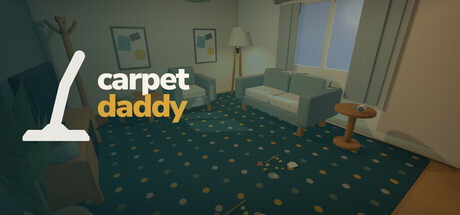 Carpet Daddy Dev only code | No Generative AI Content is used in this game. AI was used to help point me in the right direction to tutorials and help with bug fixes to code. | Cheltenham Interactive LTD | - | Aug 22, 2026 | |
 Survival Fund Manager In-game content artaudio | Generative AI was used to create some of the image and sound assets used in the game. These include character illustrations, card artwork, design elements, and some sound assets. All AI-generated content was reviewed and edited as necessary by the developer before being included in the game. The game does not generate AI content during gameplay and does not connect to external AI services. | Mr_Metheus | - | Aug 22, 2026 | |
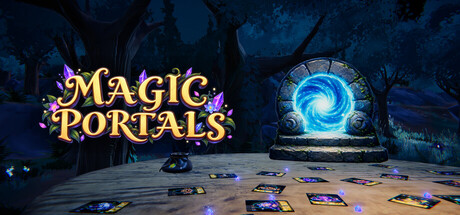 Magic Portals In-game content arttext | Some visual assets and text content used in this game were created or assisted by generative artificial intelligence tools. All AI-generated content has been reviewed, edited, and integrated by the development team to ensure consistency with the game's design and quality standards. | RTForge | - | Aug 22, 2026 | |
 Herd League In-game content art | Generative AI tools were used during development to assist with the creation and iteration of some 2D artwork, visual assets, UI elements, and marketing materials. All generated content used in the final product is selected and reviewed by the developer. No generative AI content is generated during gameplay. | Elmiva Games | - | Aug 20, 2026 | |
 The Horror Tutorial Unclear | Some Pictures | The Helldevilstudios | - | Aug 20, 2026 | |
 Summer of Singing Insects Store/marketing art | Part of the game's art illustrations and promotional materials are assisted by generative AI. All AI-generated assets have been manually reviewed, edited and verified for compliance, with no infringing or illegal content. | TIANBODA | - | Aug 20, 2026 | |
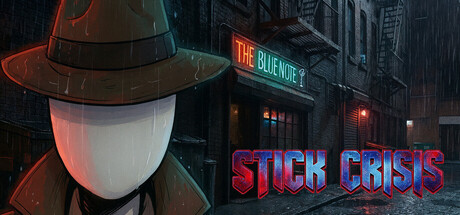 Stick Crisis In-game content artcode | Stick Crisis was developed with assistance from generative AI tools. AI-assisted image and animation tools were used to create selected visual assets, character animation frames and pre-rendered cinematics; these materials were reviewed, edited and integrated by the developer. AI coding assistants also contributed to portions of the source code. The game does not generate content during gameplay or connect to generative AI services at runtime. | Victor Manuel Ramirez | - | Aug 20, 2026 | |
 Anomaly Quest Dev only artcode | AI was used for prototyping, asset generation and coding assistance. | Anomaly Studios | - | Aug 19, 2026 | |
 Gearbound In-game content artaudio | The visual art in Gearbound is made with PixelLab, an AI pixel-art tool. Every sprite, animation, tileset, background, prop, interface element and piece of marketing art was generated with PixelLab and then directed, edited and assembled by us.
The music and sound effects are rendered by synthesis scripts that were written with AI assistance. No generative audio model was used, and nothing was sourced from a music-generation service.
Nothing is generated by AI while you play. Every asset is finished and baked into the build before it ships, and the game makes no AI calls at runtime. | Osaka Rock | - | Aug 19, 2026 | |
 Re:Draw In-game content text | The narrative and interface text in this game - dialogue, tutorial guidance, in-game descriptions, and localization into all supported languages (Russian, English, French, Italian, German, Spanish, Dutch, Polish, Portuguese) - was generated with the assistance of generative AI (a large language model), based on the developer's original game concept, design, and creative direction. No other content in this game - art, music, sound, or gameplay - is AI-generated. | kam_ushek99 | - | Aug 19, 2026 | |
 Casino Dealer Simulator In-game content arttext | Some of the art in this game was made with the help of generative AI. The voxel character portraits were generated from written prompts using an AI image generator, then cut out, colour-corrected, posed and animated by hand by the developer. The store page capsules and the achievement icons are composed from that same character art. Parts of the store page text, and the game's translations into its eight supported languages, were produced with AI assistance and reviewed by the developer.
No generative AI runs while you play — nothing is generated in real time. The patrons' behaviour is ordinary game AI: hand-written rules and probability tables. The music and every sound effect are not AI-generated; they are synthesised procedurally. | Umbriel Games | - | Aug 19, 2026 | |
 Court of Hearts: Masquerade Trials Dev only artcode | Generative AI assisted with visuals and coding. | CinderVision | - | Aug 19, 2026 | |
 Carpetorium: A Carpet-Cleaning Purgatory In-game content text | This game uses generative AI in a limited way. Some in-game and store-page text was drafted, edited, or partially translated with the help of an AI model, then reviewed, adapted, and finalized by the developer. None of the game's art, sprites, animation, music or sound is AI-generated. | onionknight621 | - | Aug 17, 2026 | |
 Journey TD In-game content artaudio | Pixel art, sound and music via AI tools, curated by the developer.
No AI is present during gameplay. | Christian Forner | - | Aug 16, 2026 | |
 Law Firm Simulator In-game content artcode | I’m a normal guy, and making a game has been a dream of mine. I used generative AI as part of my development process, including helping with code and creating visual assets. Every asset included in the final game was personally selected, refined, placed, and directed by me to match the game’s overall vision. | dizzy | - | Aug 16, 2026 | |
 Epoch Forge Live AI text | The global economy, events, NPC dialogue and behaviors, and the choices your Storyteller makes use a lightweight, local LLM that runs with the game. | Vaporware Software | - | Aug 16, 2026 | |
 UniversiaTCG In-game content arttext | Generative artwork is used in the creation of part or full of assets that can not be generated by the game engine. AI is used in the drafting of art and writing before it is reviewed and heavily edited. | Toad & Luck Dragon | - | Aug 16, 2026 | |
 Total Synthesis In-game content text | Portions of this game's written content were drafted with the assistance of Anthropic's Claude, under the direction of the developer, and were reviewed and edited by a human before inclusion. All artwork is procedurally rendered by the game's own code. No generative AI images are used. No AI content is generated during gameplay. | Sinter Labs LLC | - | Aug 16, 2026 | |
 Cubing Forge Store/marketing art | Generative AI tools were used during development to assist with some pre-generated promotional and graphical artwork used for Cubing Forge, including certain Steam store, library, and marketing assets. All AI-assisted content is reviewed, curated, and finalized before publication. Cubing Forge does not use live generative AI during gameplay. | The Wolf Pack Mind | - | Aug 16, 2026 | |
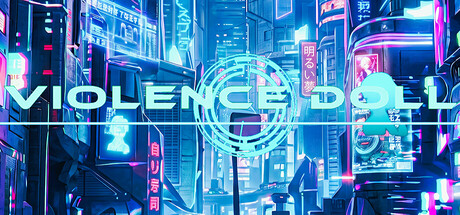 VIOLENCE DOLL バイオレンスドール In-game content art | Generative AI was used as a tool to assist with a portion of the character designs. | Mechanical Games | - | Aug 14, 2026 | |
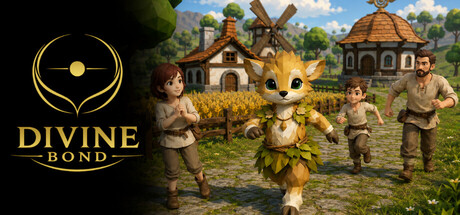 Divine Bond In-game content arttext | Generative AI tools were used during development to assist with selected pre-generated 3D assets, translations into additional languages, and marketing artwork. Polish and English source texts were written by the developer. All AI-assisted content was reviewed, edited, and integrated by the developer. The game does not generate AI content during gameplay. | EdgeCraft | - | Aug 14, 2026 | |
 Japanese Swordsmith In-game content textaudio | Generative AI is used to assist with multilingual translation and some BGM. | SENSE SHARE | - | Aug 14, 2026 | |
 Incremental Magic In-game content arttext | Most of the game's 2D art assets — including monster sprites, map backgrounds, skill and skill tree icons, achievement icons, and store/marketing key art — were created with the assistance of generative AI image tools and then reviewed and edited by the developer. Portions of the localization text (store page and in-game translations) were produced with AI assistance under human review. The game does not generate any content with AI at runtime. | Natural Nomad | - | Aug 14, 2026 | |
 Super Friendly Crosswords Dev only codetextart | We use AI as a coding assistant during development, and as a drafting tool to help generate candidate crossword clues from our word bank. Every single clue is reviewed and edited by a human before it ships. AI generated images were used during prototyping as early placeholders. All final visual art assets that ship with the game have been created by the developer. | EdibleElephant | - | Aug 13, 2026 | |
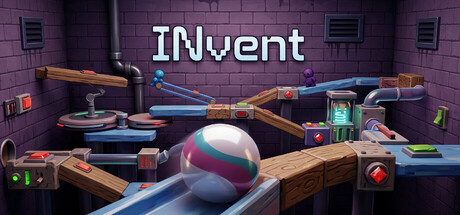 INvent In-game content art | Generative AI was used to assist in creating some visual assets for the game's store page and promotional materials. All gameplay mechanics, programming, level design, story, and final game implementation were created by the developer. | Xuanyu Lu | - | Aug 13, 2026 | |
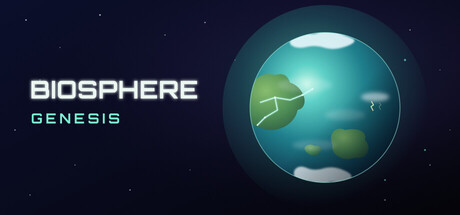 BioSphere: Genesis In-game content arttext | Some 2D vector artwork and portions of game text/localization were created with the assistance of generative AI (Claude); all AI-generated content was reviewed by the developer | Nord Avocado | - | Aug 13, 2026 | |
 Hero Investor In-game content artaudio | Generative AI tools were used during development to create selected pre-generated visual assets, including the application icon, HUD texture, Property Marketplace illustrations, and Legacy Vault artwork. Four background-music tracks were also created using Google Gemini. All AI-assisted content was reviewed by the developer and packaged with the game. Hero Investor does not generate AI content during gameplay or send player data to an AI service. | SmartAtum | - | Aug 11, 2026 | |
 Arithmetrick In-game content artaudio | The capsule artwork, logo, some card illustrations, and soundtrack were created with the assistance of generative AI tools. All other in-game content — including UI, effects, and text — is hand-crafted without AI generation. No AI content is generated during gameplay. | WeiLuo | - | Aug 11, 2026 | |
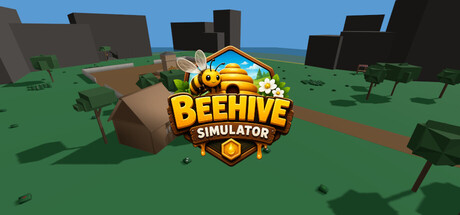 Beehive Simulator Store/marketing art | Only the game's logo was generated using AI, solely as a temporary placeholder. It will eventually be replaced with artwork created by a human artist. | Eragone | - | Aug 11, 2026 | |
 学園バドる! In-game content arttext | This game uses generative AI in the creation of some graphics, text, and English localization. All AI-generated content has been reviewed and edited by the developer before being used.
No generative AI content is created during gameplay. | のだるきGames | - | Aug 10, 2026 | |
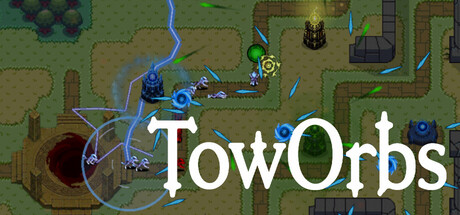 TowOrbs Unclear code | Coding | Exaltes | - | Aug 8, 2026 | |
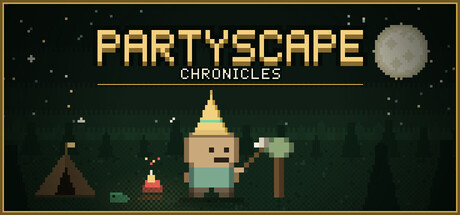 PartyScape Chronicles In-game content art | AI was used to generate graphical assets. | Xonzer! | - | Aug 8, 2026 | |
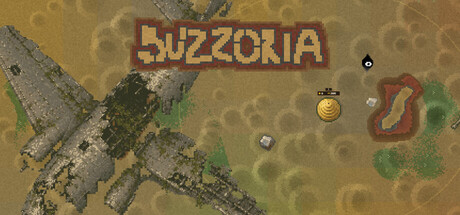 Buzzoria In-game content artaudio | Some visual assets and music in Buzzoria were created with the assistance of generative AI tools. | Andrew Bro | - | Aug 8, 2026 | |
 Pin A Million In-game content audioart | AI-generated content in Pin a Million:
- Music: All in-game music tracks were created using generative AI (Suno).
- Icons: The icon artwork on Peg and Perk cards was generated using AI tools.
All on-board gameplay effects, animations, and visuals are hand-coded and rendered procedurally at runtime (no AI-generated content). | Whitebeard Interactive | - | Aug 8, 2026 | |
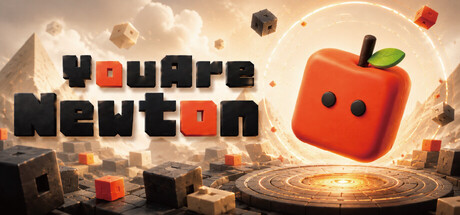 YOU ARE NEWTON In-game content arttext | Generative AI was used to assist in creating some promotional artwork and localization text. All AI-assisted content was reviewed and edited by the developer. The game does not generate AI content during gameplay and does not connect to external AI services. | YOU ARE NEWTON | - | Aug 8, 2026 | |
 Door Code In-game content artaudiotext | This game uses content created or assisted by generative AI. Generative AI was used to help create and edit some visual assets, music/sound materials, and scripts. All final content was reviewed, selected, and adjusted by the developer before being included in the game. | P.E.G | - | Aug 8, 2026 | |
 Road to FIRE In-game content artaudiotext | This game uses content created or assisted by generative AI. Generative AI was used to help create and edit some visual assets, music/sound materials, and scripts. All final content was reviewed, selected, and adjusted by the developer before being included in the game. | P.E.G | - | Aug 7, 2026 | |
 Salty In-game content art | Some artwork used in Salty was created with the assistance of generative AI tools, including store page capsule art, marketing images, and certain in-game visual assets. All game design, code, systems, and gameplay are authored by the developer. No AI content is generated during gameplay. | Garrack Gaming Studios | - | Aug 6, 2026 | |
 GG Life In-game content art | This game uses AI-generated artwork for static marketplace listing images including cars, homes, investment properties, boats, and businesses shown in the Assets and Business panels, as well as for Steam achievement icons. All AI-generated content is created during development and shipped as fixed image files. The game does not generate any content live during gameplay and does not connect to any AI service while you play. | AfterGlow Games | - | Aug 5, 2026 | |
 Project DeepWeb: Eternal Nightmare In-game content art | Minor portions of visual assets were created with the assistance of generative AI. We are actively removing these assets from the game. | NightCat Studios | 11 | Aug 3, 2026 | |
 Schizm In-game content codeaudio | Game code and some sound effects were created using generative AI. All art and music were created by very talented people. | Strombo Games | - | Aug 2, 2026 | |
 Greater Fool In-game content text | Nothing in GREATER FOOL is generated while you play. Every run is
deterministic code with seeded randomness, all music and sound is
synthesized live by the game itself, and no art comes from an image
generator: the pixel art, the icons, and the store images are drawn
in code, shape by shape.
AI assistance was used while drafting some of the game's written text,
which I edited and rewrote to fit the voice of the game. | Frog Labs LLC | - | Aug 1, 2026 | |
 Palisade In-game content textcode | Generative AI tools assisted with portions of development, including some player-facing UI, tutorial and campaign text, and implementation code.
All output was reviewed and edited by the developer. The game does not generate AI content while running.
Maps and terrain are generated using deterministic procedural algorithms and public-domain geographic data. Audio uses licensed recordings and conventional synthesis/editing, not generative AI. | Aulot Games | - | Aug 1, 2026 | |
 Lightgun Shooting Range In-game content art | some of the 3D vases are created with help of AI | Misfortune Studios | - | Aug 1, 2026 | |
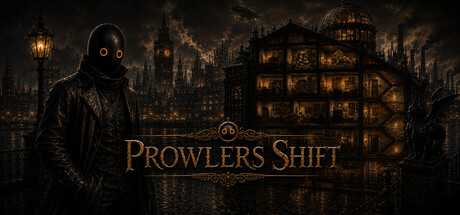 Prowlers Shift In-game content arttextaudio | Some of this game's content was created with generative AI tools and then reviewed and edited by the developer. This includes visual assets (2D art, 3D models and characters), some in-game text and localization, and some audio. No content is generated by AI during gameplay. | Ironbeak Crow Games | - | Aug 1, 2026 | |
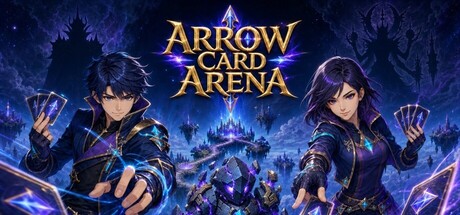 Arrow Card Arena In-game content artaudiotext | Generative AI tools were used during development to assist with portions of the game’s source code, selected 2D visual and UI assets, the studio logo, localization text, and background music. All AI-assisted content was pre-generated and reviewed, edited, and approved by the developer before inclusion in the game. The game does not generate any AI content while running and does not communicate with external AI services. | Ludendria Studio | - | Jul 31, 2026 | |
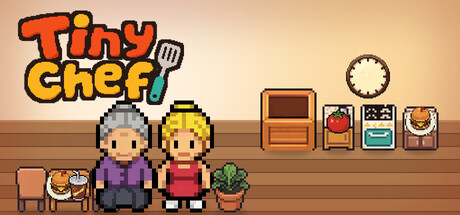 Tiny Chef In-game content art | Some of the placeholder art currently in Tiny Chef was generated with AI tools while the game is in development. It is temporary and is being replaced with final artwork drawn by a human artist. | Brydon Creative Inc. | - | Jul 30, 2026 | |
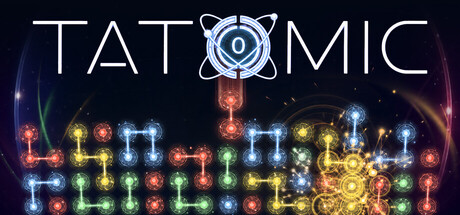 Tatomic In-game content art | Tatomic was originally created in 2008 for the first-generation iPhone, with artwork designed for its 480 × 320 display.
Generative AI was used only to upscale and recreate the original artwork at higher resolutions while preserving the game’s original visual style. No generative AI was used to create the game’s design, gameplay, sound effects, music, or original art direction. | nitzan.games LLC | - | Jul 30, 2026 | |
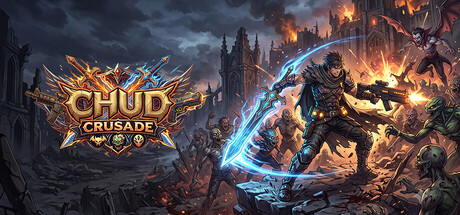 Chud Crusade In-game content artaudiocodetext | This game uses AI extensively - from planning the project, to visual art, to audio, to coding the game, everything. | Shuriken Rose | - | Jul 30, 2026 |


