








Disclosure
Visual assets used in this game were created with the assistance of generative AI and were curated, edited, and integrated by the developer.
- Creator
- Frenari
- Reviews
- -
- Added
- May 23, 2026
Public Steam disclosure research 25,512 disclosures tracked
Search developers’ Steam disclosures, compare classified AI use across games, and follow recorded changes. This index adds cross-game classifications and statistics to statements published on individual store pages.
Code help, debugging and other development work.
Capsule art, trailers and promotional material.
Pre-made art, audio, writing and other game assets.
Interactive or runtime AI features disclosed by the developer.
Groups reflect automatic analysis of public disclosures; mature records are excluded. These counts do not measure AI use across all of Steam. Missing or unclear statements cannot establish whether a game uses AI.
Visual assets used in this game were created with the assistance of generative AI and were curated, edited, and integrated by the developer.
Vertical capsule image (store and library) generated using Adobe Firefly. All in-game content (sprites, music, sound effects) is human-created or licensed from human-made asset packs.
Based on the developer's original creative direction, AI tools were used to generate the game's store page capsule images, soundtrack, and the non-English in-game text translations. AI coding assistance supported programming during development.
AI images of objects
Generative AI tools were used to assist with creating promotional artwork. Character artwork used in promotional images is based on the game's actual 3D character models and visual designs. All gameplay screenshots shown on the store page are captured from the actual in-game build and are not AI-generated or composited. The game does not use live generative AI during gameplay, and no gameplay content is generated dynamically by AI while the player is playing.
The game to contain art assets generated by artificial intelligence
The game to contain art assets generated by artificial intelligence
This game contains pre-generated AI-created images, including realistic and horror-themed imagery used during gameplay. All content was reviewed and curated by the developer. The game does not include live AI generation or user-generated content.
Generative AI has been used when creating some of the images in the menu and the backgrounds in the game. The technology has also been used when creating and editing some of the audio tracks.
Tianmen Wenjian uses generative AI tools as part of its pre-generated production pipeline. Some final visual assets used in the game presentation, Steam store page, library assets, community assets, icons, and marketing images were created or refined with AI-assisted image generation, then reviewed, edited, cropped, and integrated by the developer. The game does not use live generative AI during gameplay. Player input is not sent to an AI service, and the game does not generate new AI-created text, images, audio, or other player-facing content at runtime.
This game uses generative AI to create in-game content.
All images in the game, as well as on the store page, were generated using AI.
All images in the game, as well as on the store page, were generated using AI.
The texts were translated using artificial intelligence.
The game's initial photos were taken from free resources and stock photos. AI was used to accelerate image processing to match the game's style, as envisioned by the author.
Generative AI tools were used to create the voiceover audio for the characters in this game. All AI-generated audio was pre-recorded and integrated during development; the game does not generate any AI content in real-time.
The music featured in the trailer was composed using generative AI tools. Crucially, all game characters and animations are entirely hand-drawn and manually animated by the developer.
This game utilizes generative AI tools to assist in the creation of pre-rendered 2D visual assets, including character illustrations and in-game icons.
Generative AI was used for the creation of parts of the soundtrack. No AI-generated visuals or gamplay assets are used.
Some assets in Pulsewave were created with the help of generative AI tools: - Background music tracks were composed using AI music generation tools, then reviewed and curated by the developer before inclusion. - Select store-page artwork (capsule images, marketing visuals) was AI-generated. All gameplay, game code, in-game graphics, and game design are human-made. No AI runs during gameplay - Pulsewave does not generate content in real time and does not connect to external AI services. All AI-generated assets were reviewed before inclusion to ensure they meet our quality and content standards.
The puzzle images pre-rendered AI art
VOID RUNNER uses generative AI tools in a limited way, exclusively for pre-rendered content (never generated in real time during gameplay): — Text translations (10 languages): the in-game interface, changelog and Steam page description have been produced with AI assistance and then manually reviewed. The source text is written by the developer. — Marketing visuals: some promotional images on the Steam page (capsule art, banner) may include elements generated with AI assistance, in line with the game's art direction. All AI-assisted content is reviewed by the developer before integration. No content is generated in real time during gameplay — all assets are fixed and finalized.
- Two in-game images have been upscaled/enhanced using generative AI: the NeuroLink portrait and one UI border asset. - Achievement icon art is AI assisted. While we prefer to avoid the use of generative AI, its limited use helped improve presentation given the constraints of our team.
The developers describe how their game uses AI Generated Content like this: We used generative AI to help create the level layouts and parts of the game code. Everything was then tweaked, edited, and put together by us. All gameplay and design decisions are fully human-made.
This game is a solo-developed hobby project. Generative AI tools were used as part of the production workflow, including assistance with code, audio, and base visual assets. No generative AI output is used as a final in-game asset; all assets were manually edited, and integrated by the developer. The story, dialogue, and all other written in-game content were written by the developer. All gameplay design, creative direction, balancing, and final content decisions were made by the developer.
This game uses generative AI to create some of its visual assets. AI tools were used to generate the 2D artwork and the 3D models of the animatronic characters.
Beyond the Fracture contains both pre-generated and live-generated AI content. Pre-generated AI content: Some visual, audio, and voice assets were generated with AI tools during development and reviewed, edited, and curated by the developers before being included in the game. This includes selected construct opponent portraits, spoken name clips, character histories, and HERALD-7 commentary voice clips in German and English. Live-generated AI content: During first-time onboarding, the game uses external AI services to generate three candidate player identities live. Each identity includes a generated profile portrait and a generated spoken name introduction. The profile portraits are additionally guided by internal short character descriptions generated from predefined archetypes and prompt templates. This live generation is constrained by predefined prompts, fixed character archetypes, a controlled name system, and no free-form text input from players. The player selects one of the three generated identities. The chosen identity cannot be changed during the current Playtest, and repeated regeneration is not available during normal gameplay. No live AI generation occurs during normal matches after onboarding.
Generative artificial intelligence tools were used to assist with creating and iterating on some audio, visual, and code assets. All AI-assisted content was manually reviewed, edited, and integrated by the developer.
A note on AI-generated content Tilting is a solo project. The code, design, gameplay systems, AI opponents, game logic, and writing are entirely my own. The visual and audio content is not. Virtually all of it originated in generative AI tools. Specifically, AI was used for: store-page artwork (capsules, library art, hero), in-game art (character portraits, card art, venue art, UI elements), achievement icons, music, and sound effects. My role on the non-code side was overwhelmingly that of a curator — prompting, regenerating, and iterating across different AI tools until the output fit the game's identity. I draw enough to make minor tweaks here and there on individual visual pieces; for the music it was mostly tool-shopping until something landed right. But the volume of art and audio this game ships with is far beyond what I could produce or commission as a solo developer, and the bulk of every non-code asset originated in AI.
Some artwork and visual assets in Crowned, including card illustrations and background graphics, were created with the assistance of generative AI tools. All content was reviewed, curated and integrated by the developer.
Yes — achievement icons via PixelLab, VFX & SFX via ElevenLabs
This game uses AI assistance for certain sound effects. All visuals are hand-crafted by the developer.
Some static 2D artwork used in the game and Steam marketing materials was created with assistance from generative AI, then curated, edited, and integrated by the developer. The game does not generate AI content during gameplay and does not connect to external AI services.
Used AI for some sound elements, language translation, and assisting with gameplay system development.
AI-generated artifacts
Driftbane: The Long Awaited uses generative AI tools during development for some character art, 3D character base meshes, music tracks, and as a coding assistant. The developer refines, integrates, and curates AI outputs by hand. All creative direction, narrative, design decisions, and gameplay are authored by the developer. No AI content runs at runtime in the game.
Generative AI tools were used to assist with writing, reviewing, and improving parts of the game's code. All models, textures, images, sounds, and music used in Single Note are created through human work. The game does not use AI-generated visual assets, audio assets, music, or 3D models. Single Note is developed by a small independent studio, and AI tools were used as development assistance during production. All final implementation decisions, testing, integration, and creative direction are handled by Fanjoy Studio. The game does not use live-generated AI content during gameplay.
AI was used in the creation process of images for this game.
Cleaned up / textured with Nano Banana: - patrol zone map - shipping lane map - sea state list
Artificial intelligence tools were used solely for the creation of marketing materials and specific 2D visual assets, such as the game's capsule art and promotional banners. Please note that all core gameplay mechanics, coding, level design, and narrative elements of Miles to Nowhere have been developed manually without the use of AI. Our use of AI is limited to enhancing the game's visual presentation on the Steam storefront to better reflect the intended atmosphere.
The Steam store page banners and promotional creatives for the app were created with the assistance of generative AI tools. The in-game assets were either created manually or edited afterwards, but the visual materials used for marketing (such as header images, capsules, and promotional banners) include AI-generated elements.
I used AI for voice-over only and all generated audio assets are pre-rendered, fully vetted, and do not contain any illegal or infringing material. No AI content is generated live or dynamically during gameplay.
Vibe Coded 4x Lite Strategy Game, With Ai Generated images. But hand made UI, Story & Voicelines and Sound Effects
Research assistance, technical guidance, text refinement, and code troubleshooting
Some 3D models and textures were created with the assistance of AI generation tools and then manually refined and integrated into the game.
All images in the game, as well as on the store page, were generated using AI.
This game used generative AI tools to assist in the creation of certain visual and written content during development.
Some visual assets in this game, including certain textures and illustrative elements, were initially created using generative AI tools and then manually edited, refined, and integrated by the developer as part of the final game production.
Generative AI tools may be used during the development of SKEW to assist in the creation of pre-rendered environmental assets, 3D models, ambient music, and sound effects. All AI assisted content is manually curated, refined, and integrated by the developer to ensure it aligns with the game's specific artistic vision and quality standards.
This game uses generative AI tools during development. All voice-over audio is generated using AI tools. The game does not use live generative AI during gameplay.
| Title⇅ | Disclosure | Creator⇅ | Src | Reviews⇅ | Added↓ |
|---|---|---|---|---|---|
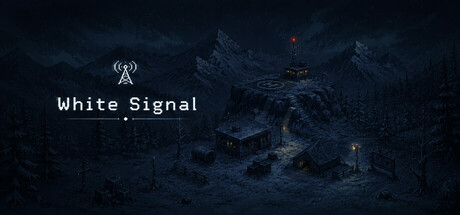 White Signal In-game content art | Visual assets used in this game were created with the assistance of generative AI and were curated, edited, and integrated by the developer. | Frenari | - | May 23, 2026 | |
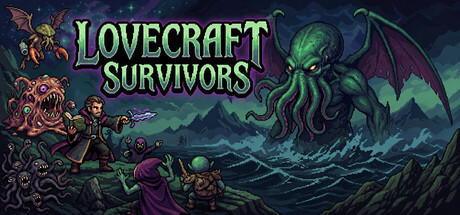 Lovecraft Survivors In-game content art | Vertical capsule image (store and library) generated using Adobe Firefly.
All in-game content (sprites, music, sound effects) is human-created or licensed from human-made asset packs. | Threshold Games | - | May 23, 2026 | |
 Abjure In-game content artaudiotext | Based on the developer's original creative direction, AI tools were used to generate the game's store page capsule images, soundtrack, and the non-English in-game text translations. AI coding assistance supported programming during development. | Jax Games | - | May 23, 2026 | |
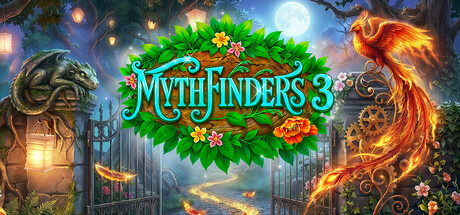 Myth Finders 3 Unclear art | AI images of objects | 8floor ltd | - | May 23, 2026 | |
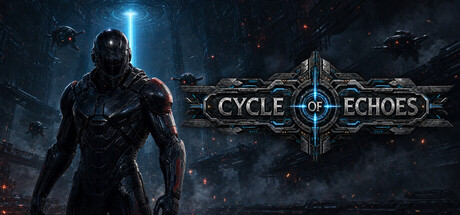 Cycle of Echoes Store/marketing art | Generative AI tools were used to assist with creating promotional artwork. Character artwork used in promotional images is based on the game's actual 3D character models and visual designs. All gameplay screenshots shown on the store page are captured from the actual in-game build and are not AI-generated or composited. The game does not use live generative AI during gameplay, and no gameplay content is generated dynamically by AI while the player is playing. | ArkNodeAI | - | May 23, 2026 | |
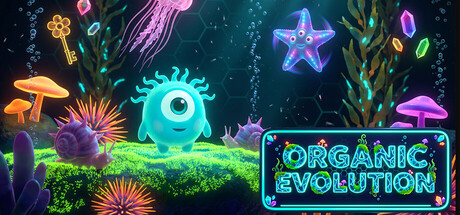 Organic Evolution In-game content art | The game to contain art assets generated by artificial intelligence | Gamesforgames | 11 | May 23, 2026 | |
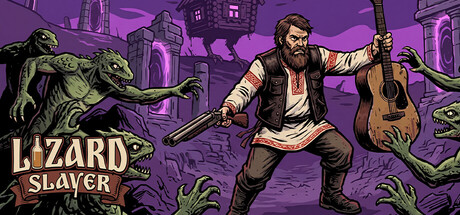 Lizard Slayer In-game content art | The game to contain art assets generated by artificial intelligence | Gamesforfarm | - | May 23, 2026 | |
 content moderator. In-game content art | This game contains pre-generated AI-created images, including realistic and horror-themed imagery used during gameplay. All content was reviewed and curated by the developer. The game does not include live AI generation or user-generated content. | READY! | - | May 23, 2026 | |
 Giraffe Champion: The Rock Music Game Football Edition In-game content artaudio | Generative AI has been used when creating some of the images in the menu and the backgrounds in the game. The technology has also been used when creating and editing some of the audio tracks. | John Ramstedt | - | May 23, 2026 | |
 天门问剑 In-game content art | Tianmen Wenjian uses generative AI tools as part of its pre-generated production pipeline. Some final visual assets used in the game presentation, Steam store page, library assets, community assets, icons, and marketing images were created or refined with AI-assisted image generation, then reviewed, edited, cropped, and integrated by the developer.
The game does not use live generative AI during gameplay. Player input is not sent to an AI service, and the game does not generate new AI-created text, images, audio, or other player-facing content at runtime. | FunPlaceGame | 18 | May 23, 2026 | |
 Project Football In-game content | This game uses generative AI to create in-game content. | The Gmath | - | May 23, 2026 | |
 Blood in the Ice In-game content art | All images in the game, as well as on the store page, were generated using AI. | KalendulaGames | - | May 23, 2026 | |
 Signal Snow Store/marketing art | All images in the game, as well as on the store page, were generated using AI. | KalendulaGames | - | May 23, 2026 | |
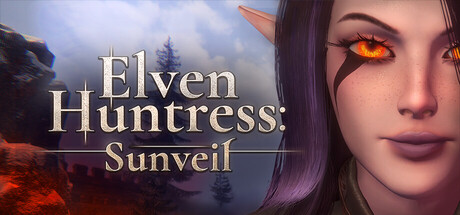 Elven Huntress: Sunveil In-game content text | The texts were translated using artificial intelligence. | Sunveil | - | May 23, 2026 | |
 Sacrificium Dev only art | The game's initial photos were taken from free resources and stock photos. AI was used to accelerate image processing to match the game's style, as envisioned by the author. | Agard Games | - | May 23, 2026 | |
 Смена In-game content audio | Generative AI tools were used to create the voiceover audio for the characters in this game. All AI-generated audio was pre-recorded and integrated during development; the game does not generate any AI content in real-time. | Zarya61 | - | May 23, 2026 | |
 Gallows & Gold In-game content audio | The music featured in the trailer was composed using generative AI tools.
Crucially, all game characters and animations are entirely hand-drawn and manually animated by the developer. | Will Charles | - | May 23, 2026 | |
 Blosharper In-game content art | This game utilizes generative AI tools to assist in the creation of pre-rendered 2D visual assets, including character illustrations and in-game icons. | Joon x Jin Works | - | May 23, 2026 | |
 Faybound In-game content audio | Generative AI was used for the creation of parts of the soundtrack.
No AI-generated visuals or gamplay assets are used. | GTGames | - | May 23, 2026 | |
 Pulsewave In-game content audioart | Some assets in Pulsewave were created with the help of generative AI tools:
- Background music tracks were composed using AI music generation tools, then reviewed and curated by the developer before inclusion.
- Select store-page artwork (capsule images, marketing visuals) was AI-generated.
All gameplay, game code, in-game graphics, and game design are human-made. No AI runs during gameplay - Pulsewave does not generate content in real time and does not connect to external AI services. All AI-generated assets were reviewed before inclusion to ensure they meet our quality and content standards. | Grindare Studio | - | May 23, 2026 | |
 Neon Fantasy: Dinosaurs In-game content art | The puzzle images pre-rendered AI art | Quantum Quiver Games | - | May 23, 2026 | |
 Void Runner : Arcade Roguelite In-game content textart | VOID RUNNER uses generative AI tools in a limited way, exclusively for pre-rendered content (never generated in real time during gameplay):
— Text translations (10 languages): the in-game interface, changelog and Steam page description have been produced with AI assistance and then manually reviewed. The source text is written by the developer.
— Marketing visuals: some promotional images on the Steam page (capsule art, banner) may include elements generated with AI assistance, in line with the game's art direction.
All AI-assisted content is reviewed by the developer before integration. No content is generated in real time during gameplay — all assets are fixed and finalized. | napcode | - | May 23, 2026 | |
 Organism Detected In-game content art | - Two in-game images have been upscaled/enhanced using generative AI: the NeuroLink portrait and one UI border asset.
- Achievement icon art is AI assisted.
While we prefer to avoid the use of generative AI, its limited use helped improve presentation given the constraints of our team. | Yulari Games | - | May 23, 2026 | |
 Hungry Hangry Doodles In-game content textcode | The developers describe how their game uses AI Generated Content like this:
We used generative AI to help create the level layouts and parts of the game code. Everything was then tweaked, edited, and put together by us.
All gameplay and design decisions are fully human-made. | Maple Taco | - | May 23, 2026 | |
 Pixel Darts: From Pub to Glory In-game content artaudiocode | This game is a solo-developed hobby project. Generative AI tools were used as part of the production workflow, including assistance with code, audio, and base visual assets. No generative AI output is used as a final in-game asset; all assets were manually edited, and integrated by the developer. The story, dialogue, and all other written in-game content were written by the developer. All gameplay design, creative direction, balancing, and final content decisions were made by the developer. | zweipilot | - | May 23, 2026 | |
 Grinny’s Playhouse In-game content art | This game uses generative AI to create some of its visual assets. AI tools were used to generate the 2D artwork and the 3D models of the animatronic characters. | Abnormal Studios | - | May 23, 2026 | |
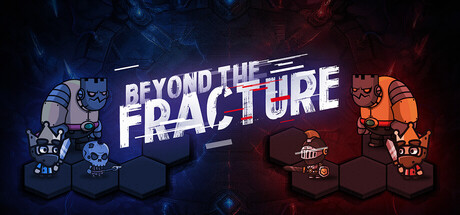 Beyond the Fracture Live AI artaudiotext | Beyond the Fracture contains both pre-generated and live-generated AI content.
Pre-generated AI content:
Some visual, audio, and voice assets were generated with AI tools during development and reviewed, edited, and curated by the developers before being included in the game. This includes selected construct opponent portraits, spoken name clips, character histories, and HERALD-7 commentary voice clips in German and English.
Live-generated AI content:
During first-time onboarding, the game uses external AI services to generate three candidate player identities live. Each identity includes a generated profile portrait and a generated spoken name introduction. The profile portraits are additionally guided by internal short character descriptions generated from predefined archetypes and prompt templates.
This live generation is constrained by predefined prompts, fixed character archetypes, a controlled name system, and no free-form text input from players. The player selects one of the three generated identities. The chosen identity cannot be changed during the current Playtest, and repeated regeneration is not available during normal gameplay.
No live AI generation occurs during normal matches after onboarding. | Turning Rook Games | - | May 23, 2026 | |
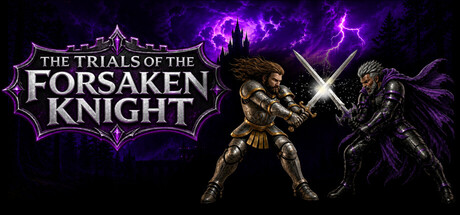 The Trials of the Forsaken Knight In-game content artaudiocode | Generative artificial intelligence tools were used to assist with creating and iterating on some audio, visual, and code assets. All AI-assisted content was manually reviewed, edited, and integrated by the developer. | Clown Logic Games | - | May 23, 2026 | |
 Tilting In-game content artaudio | A note on AI-generated content
Tilting is a solo project. The code, design, gameplay systems, AI opponents, game logic, and writing are entirely my own. The visual and audio content is not. Virtually all of it originated in generative AI tools.
Specifically, AI was used for: store-page artwork (capsules, library art, hero), in-game art (character portraits, card art, venue art, UI elements), achievement icons, music, and sound effects.
My role on the non-code side was overwhelmingly that of a curator — prompting, regenerating, and iterating across different AI tools until the output fit the game's identity. I draw enough to make minor tweaks here and there on individual visual pieces; for the music it was mostly tool-shopping until something landed right. But the volume of art and audio this game ships with is far beyond what I could produce or commission as a solo developer, and the bulk of every non-code asset originated in AI. | Low Light Games | - | May 23, 2026 | |
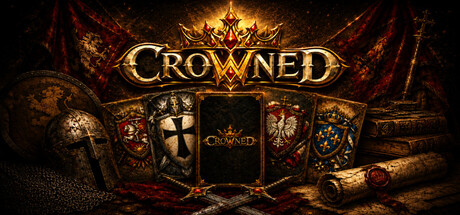 Crowned art | Some artwork and visual assets in Crowned, including
card illustrations and background graphics, were created with the assistance of generative AI tools. All content was
reviewed, curated and integrated by the developer. | Stonepath Games | - | May 23, 2026 | |
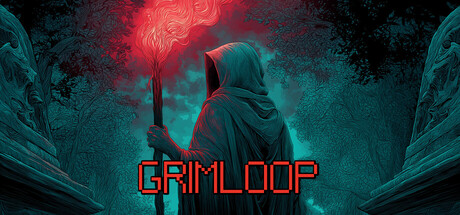 GRIMLOOP In-game content artaudio | Yes — achievement icons via PixelLab, VFX & SFX via ElevenLabs | Slipgun Studios | - | May 23, 2026 | |
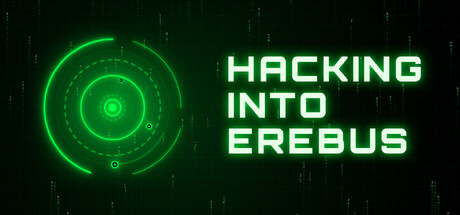 HACKING INTO EREBUS In-game content audio | This game uses AI assistance for certain sound effects. All visuals are hand-crafted by the developer. | Likya Group | - | May 23, 2026 | |
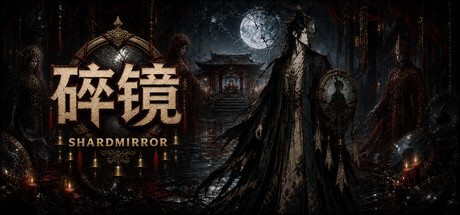 Shardmirror In-game content art | Some static 2D artwork used in the game and Steam marketing materials was created with assistance from generative AI, then curated, edited, and integrated by the developer. The game does not generate AI content during gameplay and does not connect to external AI services. | 咕咕呱呱 | - | May 23, 2026 | |
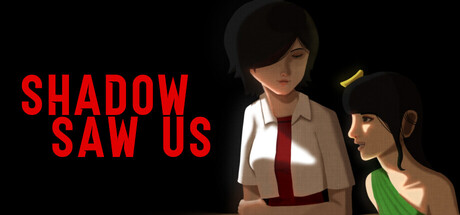 Shadow Saw Us In-game content audiotext | Used AI for some sound elements, language translation, and assisting with gameplay system development. | Sawie Noowie | - | May 23, 2026 | |
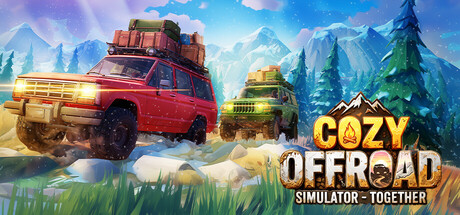 Cozy Offroad Simulator Together Unclear | AI-generated artifacts | 11 Pet Studios | - | May 23, 2026 | |
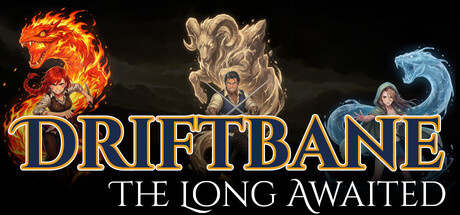 Driftbane: The Long Awaited In-game content artaudiocode | Driftbane: The Long Awaited uses generative AI tools during development for some character art, 3D character base meshes, music tracks, and as a coding assistant. The developer refines, integrates, and curates AI outputs by hand. All creative direction, narrative, design decisions, and gameplay are authored by the developer. No AI content runs at runtime in the game. | Pale Reef Games | - | May 23, 2026 | |
 Single Note Dev only code | Generative AI tools were used to assist with writing, reviewing, and improving parts of the game's code.
All models, textures, images, sounds, and music used in Single Note are created through human work. The game does not use AI-generated visual assets, audio assets, music, or 3D models.
Single Note is developed by a small independent studio, and AI tools were used as development assistance during production. All final implementation decisions, testing, integration, and creative direction are handled by Fanjoy Studio. The game does not use live-generated AI content during gameplay. | Fanjoy Studio | - | May 23, 2026 | |
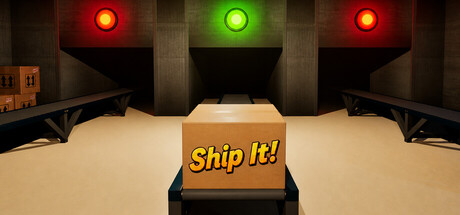 Ship It In-game content art | AI was used in the creation process of images for this game. | Richard Toussaint III | - | May 23, 2026 | |
 Silent Shark In-game content art | Cleaned up / textured with Nano Banana:
- patrol zone map
- shipping lane map
- sea state list | John Goering | 106 | May 23, 2026 | |
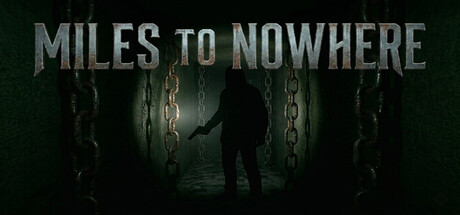 Miles To Nowhere In-game content art | Artificial intelligence tools were used solely for the creation of marketing materials and specific 2D visual assets, such as the game's capsule art and promotional banners. Please note that all core gameplay mechanics, coding, level design, and narrative elements of Miles to Nowhere have been developed manually without the use of AI. Our use of AI is limited to enhancing the game's visual presentation on the Steam storefront to better reflect the intended atmosphere. | Devilooper_Studios | - | May 23, 2026 | |
 Necrotel: No Checkout In-game content art | The Steam store page banners and promotional creatives for the app were created with the assistance of generative AI tools. The in-game assets were either created manually or edited afterwards, but the visual materials used for marketing (such as header images, capsules, and promotional banners) include AI-generated elements. | CGI LAB GAMES | - | May 23, 2026 | |
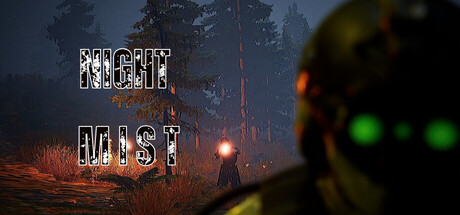 NIGHTMIST In-game content audio | I used AI for voice-over only and all generated audio assets are pre-rendered, fully vetted, and do not contain any illegal or infringing material. No AI content is generated live or dynamically during gameplay. | ULTRA RAGE GAMES | - | May 23, 2026 | |
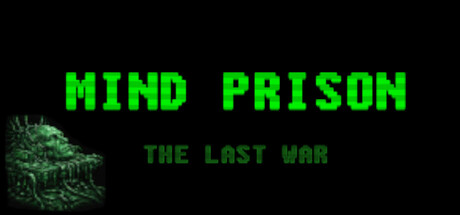 Mind Prison: The Last War In-game content art | Vibe Coded 4x Lite Strategy Game, With Ai Generated images. But hand made UI, Story & Voicelines and Sound Effects | Rotten Sewer Productions | - | May 23, 2026 | |
 Orbit Crisis Dev only textcode | Research assistance, technical guidance, text refinement, and code troubleshooting | Serious Hallucinations | - | May 23, 2026 | |
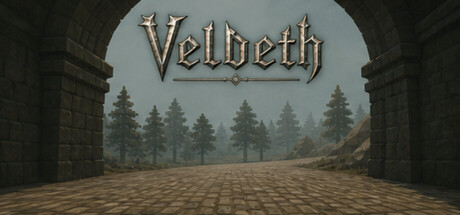 Veldeth In-game content art | Some 3D models and textures were created with the assistance of AI generation tools and then manually refined and integrated into the game. | Veltech Studio | - | May 23, 2026 | |
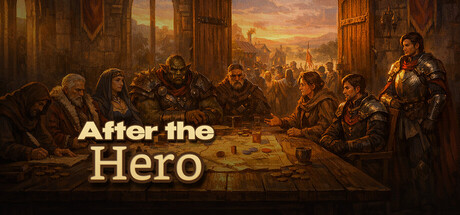 After the Hero Store/marketing art | All images in the game, as well as on the store page, were generated using AI. | SmogGames | - | May 23, 2026 | |
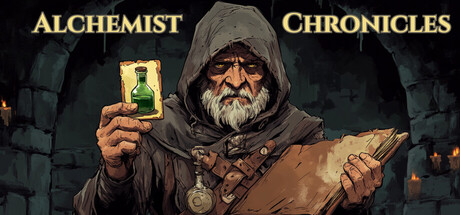 Alchemist Chronicles Unclear arttext | This game used generative AI tools to assist in the creation of certain visual and written content during development. | Afgan Khalilov | - | May 23, 2026 | |
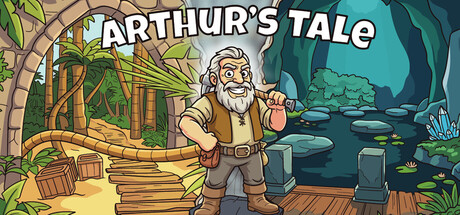 Arthur’s Tale In-game content art | Some visual assets in this game, including certain textures and illustrative elements, were initially created using generative AI tools and then manually edited, refined, and integrated by the developer as part of the final game production. | Cleaver Studio | - | May 23, 2026 | |
 SKEW In-game content artaudio | Generative AI tools may be used during the development of SKEW to assist in the creation of pre-rendered environmental assets, 3D models, ambient music, and sound effects. All AI assisted content is manually curated, refined, and integrated by the developer to ensure it aligns with the game's specific artistic vision and quality standards. | Ruxi Li | - | May 23, 2026 | |
 MUTS NO TYPO In-game content audio | This game uses generative AI tools during development.
All voice-over audio is generated using AI tools.
The game does not use live generative AI during gameplay. | Half-Baked Cake | - | May 23, 2026 |


