








Disclosure
AI tools were used for research and to assist in creating some visual assets. All final assets were reviewed and refined by the developer.
- Creator
- NoCoo Fox
- Reviews
- -
- Added
- Aug 20, 2026
Public Steam disclosure research 25,514 disclosures tracked
Search developers’ Steam disclosures, compare classified AI use across games, and follow recorded changes. This index adds cross-game classifications and statistics to statements published on individual store pages.
Code help, debugging and other development work.
Capsule art, trailers and promotional material.
Pre-made art, audio, writing and other game assets.
Interactive or runtime AI features disclosed by the developer.
Groups reflect automatic analysis of public disclosures; mature records are excluded. These counts do not measure AI use across all of Steam. Missing or unclear statements cannot establish whether a game uses AI.
AI tools were used for research and to assist in creating some visual assets. All final assets were reviewed and refined by the developer.
A2GD does NOT use AI to convert images whatsoever. It is purely algorithmic software. AI was used for the user interface designs—I wish I could have done it myself, but I have very little experience with web design.
Localizations other than Italian are AI-assisted, with human and community review ongoing during development. All game design, writing, and art direction are human-made.
Artificial intelligence tools were utilized as a reference and assistive aid in the creation of certain art assets, audio elements, and localization translations for this game.
Generative AI tools were used during development to assist with creating and refining some pre-generated artwork and other media assets, including assets used in the game and on its Steam store page. All AI-assisted content was reviewed, edited, and integrated by the developer. The game does not generate AI content during gameplay or connect to external AI services.
Parts of the artwork (customer portraits, studio backgrounds, skin imagery, some tattoo motifs), the background music, and some store page images were created with generative AI tools and then edited and integrated by the developer. Game design, mechanics and game logic are the developer's own work. No content is generated while the game is running.
The main menu was generated by AI. Some assets were generated by AI. Some code was generated by AI.
AI was used to write parts of the code and review the project. Most of the icons and music were also created with the use of AI.
Generative AI tools were used during development to assist with the creation of some 2D graphical assets and illustrations used in the game. These assets were reviewed and edited by the developer before being included in the final game. The game does not use generative AI to create content during gameplay.
AI tools were used during the development process for asset creation/reference, and no dynamic AI content is generated during real-time gameplay.
Some still images and and code bug fixes were developed with the assistance of AI
Some visual assets, branding exploration, and first-pass localization drafts were created or assisted with generative AI tools. All content is reviewed, edited, and integrated by the developer before being included in the game or store materials. The game does not generate AI content in real time during gameplay.
Stick Crisis was developed with assistance from generative AI tools. AI-assisted image and animation tools were used to create selected visual assets, character animation frames and pre-rendered cinematics; these materials were reviewed, edited and integrated by the developer. AI coding assistants also contributed to portions of the source code. The game does not generate content during gameplay or connect to generative AI services at runtime.
AI was only used to generate minimal resources to support unit design and partial localization. All AI-assisted content has been reviewed, and the final assets were manually drawn to fit the game's artistic style and atmosphere.
This game uses generative AI to create visual art assets (plants, scenery, animals, UI, etc.) during development. In-game, the cat companion's chat dialogue is generated in real time by a local AI model that runs entirely offline on the player's device; no player input is sent to any external service.
Generative AI tools were used to assist with translations of user interface text and game descriptions into some supported languages. All localization content is pre-generated and included in the game files. The game does not generate any content using AI at runtime.
AI is used in part for translating text from Japanese into the supported languages. AI is not used for game development, content generation, or any purposes other than translation.
Store page assets: These were primarily created by our designers through composition and arrangement of existing in-game assets, followed by minor AI-assisted adjustments to atmosphere (e.g., lighting, color tones). All final images have undergone thorough human review and refinement. The core design work was completed by our designers, with AI serving only as a supplementary tool to enhance the final presentation.
Generative AI was used to assist in creating some visual assets, including certain background images and the game start screen artwork. Other game content, including gameplay, programming, character design, and world-building, was created independently by the development team.
Generative AI tools were used during development to assist with portions of the programming, user interface and text presentation implementation, as well as initial drafts of some localizations. The game’s setting, narrative text, visual design, and all final content were created and determined by the developer. No generative image models were used, and the game does not connect to or invoke any generative AI services at runtime. It contains no live-generated content.
Musics only.
Source code and store page copy were written with AI assistance (Claude), reviewed and edited by the developer before shipping. No AI-generated artwork, music, voice or narrative content ships in this game. All in-game visuals are hand-written shaders and code-drawn geometry; sound effects are procedurally synthesised by a deterministic script; music is licensed from a human artist; fonts are licensed typefaces. No generative AI runs at runtime.
Generative AI tools were used during development to create and assist with some pre-generated artwork, localization, and store/marketing assets. All AI-assisted content was reviewed and edited by the developer before inclusion in the final product. The game does not generate AI content during gameplay.
The 2D art in OBOLUS is made with image generation models running locally on my own machine — Stable Diffusion XL through ComfyUI, including a style model I trained myself on 1930s cartoon references. None of it is a raw output: every sprite, backdrop, card frame and icon was directed through many passes, then cut out, colour-corrected, upscaled and assembled frame by frame into animation sheets. Everything else is not AI: the rules, every card and every number on it, the balance, the 22 heroes, the six lands, the writing and the interface. The sound effects are synthesised by code written for this game. Nothing is generated while you play. The game makes no network calls and ships with no model — nothing runs on your machine, and none of your data goes anywhere.
This game uses generative AI-assisted content in some pre-rendered assets, such as visual effects, UI elements, background or promotional artwork, and marketing/community materials. No live generative AI system is used during gameplay, and the game does not generate new player-facing content dynamically while the player is playing.
Generative AI was used to create pre-generated promotional artwork for the Steam store page and Steam library, including capsule, header, hero, and library artwork. The generated artwork was based on the developer's original game concepts and gameplay references. All outputs were manually reviewed, selected, edited, composited, resized, and verified by the developer before publication. Gameplay screenshots and the gameplay trailer use actual in-game footage. The game does not generate AI content during gameplay and does not connect to external AI services.
AI was used during development to help with visual and sound effects.
AI Was used to generate the page description, it was also used to test certain parts of the game and help debug a few problems, there was partial AI usage also for the game music, while the music itself was created in FL Studio there was usage to generate some of the variants of the tracks
Generative AI tools were used during development to assist with portions of the game's code, visual asset creation, localization, and marketing artwork. All included content was selected, edited, integrated, and reviewed by the developer. The game does not generate AI content during gameplay.
Some of the images in the game are AI generated
Assets on the store page have been AI‑enhanced.
American Gold Rush uses limited AI-generated art in a small number of places, all of it pre-generated during development. No AI is used while you play, and nothing about the game changes at runtime. AI-generated: the title artwork, some background pieces like the sky. Not AI-generated: all pixel art, all sound effects, all music, all game code and all writing. These are human-made, by named people paid for the work.
Generative AI tools were used during development to assist with some pre-generated visual assets, written content, and development-related creative work. All AI-assisted content included in the final game and store materials is reviewed by the developer before release. The game does not generate AI content during gameplay and does not connect to external AI services while running.
Root Cause is utilizes AI assets in the game. This content, when utilized, is generated during development, then curated, edited, and committed to the project before release. Nothing is generated while the game is running. Items that may be generated: Illustrated art. UI/Interfaces Icon Sets Sounds and Music Dialogue, case briefings, case content, and interface copy
The visual art in Gearbound is made with PixelLab, an AI pixel-art tool. Every sprite, animation, tileset, background, prop, interface element and piece of marketing art was generated with PixelLab and then directed, edited and assembled by us. The music and sound effects are rendered by synthesis scripts that were written with AI assistance. No generative audio model was used, and nothing was sourced from a music-generation service. Nothing is generated by AI while you play. Every asset is finished and baked into the build before it ships, and the game makes no AI calls at runtime.
Generative AI was used for: - The game's logo and Steam store capsule artwork (image generation) - Translation of in-game text into Turkish, German, French and Spanish -AI-generated images were reviewed and edited before use.
AI coding assistants were used during development to help create and edit portions of the code and player-facing implementation that ship with the game. The game's 2D artwork was not created by an image-generation model. All AI-assisted outputs were reviewed, edited, and integrated by the developer. The game does not use generative AI at runtime.
Generative AI tools were used during development to assist with the creation and iteration of some game assets and development code. AI-assisted content included in the final game is pre-generated and reviewed by the developer. The game does not generate AI content during gameplay.
Some texts were translated using artificial intelligence.
Music and sound effects were AI-generated (Suno / ElevenLabs) and edited by the developer. AI (Claude Code) was also used as a coding assistant during development. Visual assets are licensed/purchased assets and are not AI-generated. No AI content is generated live during gameplay all content is fixed and authored before release.
Generative AI was used during development as a coding assistant and to assist with drafting and translating store-page and marketing text. Some pixel-art assets were rendered by deterministic drawing code written with AI assistance; the final images were not directly output by a text-to-image or diffusion model. All shipped and published content was reviewed and edited by the developer. No generative AI runs in the game, and no content is generated from player input.
Most of the graphic images were generated using AI with further manual processing
Generative AI tools were used during the development process for pre-generated image assets, specifically for refining, upscaling, and enhancing original artwork created by the developer. No real-time AI generation is used in the game.
Some of the store's visual designs utilized AI.
We used AI tools to assist in drafting and refining parts of the game's store description and promotional texts
This game uses generative‑AI technology to create part of the in‑game assets, art and content. All AI‑generated content has been reviewed and adjusted by human developers.
Generative AI tools were used during development to assist in the creation of some visual assets. All AI-assisted content is pre-generated and included as part of the game. The game does not generate AI content during gameplay.
Some assets and code in Angkor were created with the assistance of generative AI tools, including 2D art, sound effects, portions of the game's code, and some in-game text. All AI-assisted content was reviewed, edited, and integrated by a human developer. Angkor does not generate any content live during gameplay.
AI assistance was used to translate the user interface and this store page into non-English languages. The artwork, trailers, and original English text were created by the developer.
The narrative and interface text in this game - dialogue, tutorial guidance, in-game descriptions, and localization into all supported languages (Russian, English, French, Italian, German, Spanish, Dutch, Polish, Portuguese) - was generated with the assistance of generative AI (a large language model), based on the developer's original game concept, design, and creative direction. No other content in this game - art, music, sound, or gameplay - is AI-generated.
| Title⇅ | Disclosure | Creator⇅ | Src | Reviews⇅ | Added↓ |
|---|---|---|---|---|---|
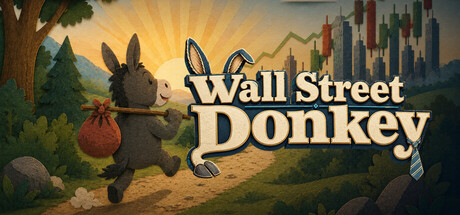 Wall Street Donkey In-game content art | AI tools were used for research and to assist in creating some visual assets. All final assets were reviewed and refined by the developer. | NoCoo Fox | - | Aug 20, 2026 | |
 Anime To GD In-game content art | A2GD does NOT use AI to convert images whatsoever. It is purely algorithmic software.
AI was used for the user interface designs—I wish I could have done it myself, but I have very little experience with web design. | Inspire | - | Aug 20, 2026 | |
 Bottlecappers In-game content text | Localizations other than Italian are AI-assisted, with human and community review ongoing during development. All game design, writing, and art direction are human-made. | ShardanaForge | - | Aug 20, 2026 | |
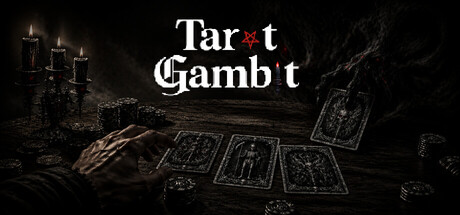 Tarot Gambit In-game content artaudiotext | Artificial intelligence tools were utilized as a reference and assistive aid in the creation of certain art assets, audio elements, and localization translations for this game. | XiaoyaoYi | - | Aug 20, 2026 | |
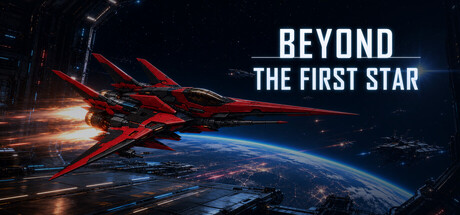 Beyond the First Star In-game content art | Generative AI tools were used during development to assist with creating and refining some pre-generated artwork and other media assets, including assets used in the game and on its Steam store page. All AI-assisted content was reviewed, edited, and integrated by the developer. The game does not generate AI content during gameplay or connect to external AI services. | AE Games | - | Aug 20, 2026 | |
 Cheap Tattoo In-game content artaudio | Parts of the artwork (customer portraits, studio backgrounds, skin imagery, some tattoo motifs), the background music, and some store page images were created with generative AI tools and then edited and integrated by the developer. Game design, mechanics and game logic are the developer's own work. No content is generated while the game is running. | Cheap Games | - | Aug 20, 2026 | |
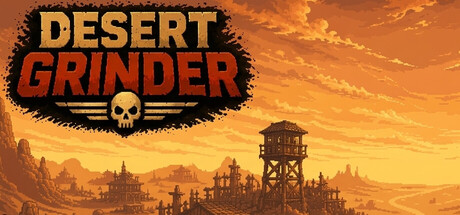 Desert Grinder In-game content artcode | The main menu was generated by AI.
Some assets were generated by AI.
Some code was generated by AI. | Bernictas Studios | - | Aug 20, 2026 | |
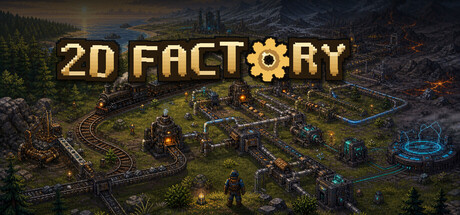 2D Factory In-game content artaudiocode | AI was used to write parts of the code and review the project. Most of the icons and music were also created with the use of AI. | Alexandre Hamelin | - | Aug 20, 2026 | |
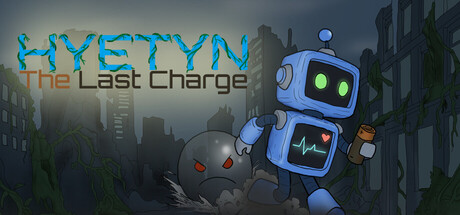 Hyetyn In-game content art | Generative AI tools were used during development to assist with the creation of some 2D graphical assets and illustrations used in the game. These assets were reviewed and edited by the developer before being included in the final game. The game does not use generative AI to create content during gameplay. | KGitaGames | - | Aug 20, 2026 | |
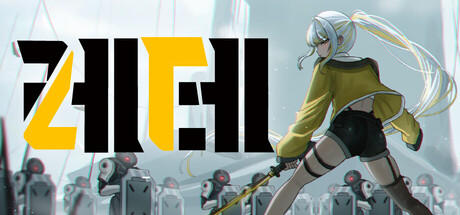 Lethe In-game content art | AI tools were used during the development process for asset creation/reference, and no dynamic AI content is generated during real-time gameplay. | Purplemoon | - | Aug 20, 2026 | |
 OIL & HORROR artcode | Some still images and and code bug fixes were developed with the assistance of AI | 42 LONG | - | Aug 20, 2026 | |
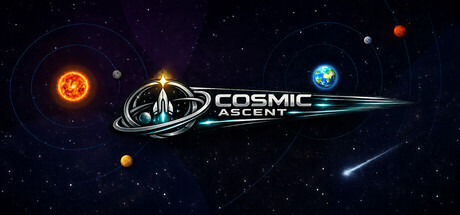 Cosmic Ascent In-game content arttext | Some visual assets, branding exploration, and first-pass localization drafts were created or assisted with generative AI tools. All content is reviewed, edited, and integrated by the developer before being included in the game or store materials. The game does not generate AI content in real time during gameplay. | Leandro Albornoz | - | Aug 20, 2026 | |
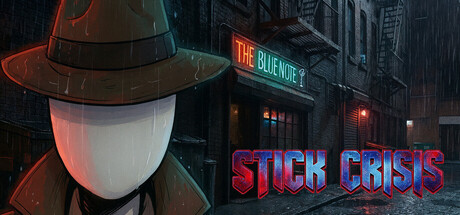 Stick Crisis In-game content artcode | Stick Crisis was developed with assistance from generative AI tools. AI-assisted image and animation tools were used to create selected visual assets, character animation frames and pre-rendered cinematics; these materials were reviewed, edited and integrated by the developer. AI coding assistants also contributed to portions of the source code. The game does not generate content during gameplay or connect to generative AI services at runtime. | Victor Manuel Ramirez | - | Aug 20, 2026 | |
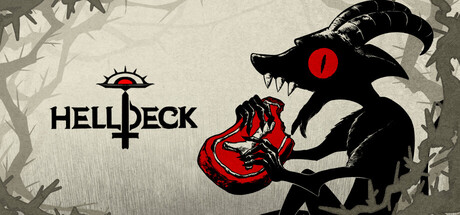 Hell Deck In-game content arttext | AI was only used to generate minimal resources to support unit design and partial localization.
All AI-assisted content has been reviewed, and the final assets were manually drawn to fit the game's artistic style and atmosphere. | OFFMOON Inc. | 118 | Aug 20, 2026 | |
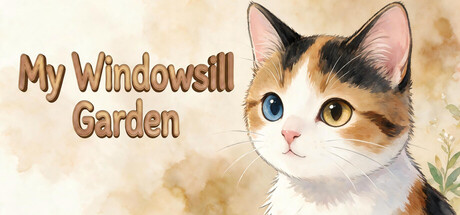 我的窗台花园(My Windowsill Garden) Live AI arttext | This game uses generative AI to create visual art assets (plants, scenery, animals, UI, etc.) during development. In-game, the cat companion's chat dialogue is generated in real time by a local AI model that runs entirely offline on the player's device; no player input is sent to any external service. | 咸鱼自在工作室 | - | Aug 20, 2026 | |
 Run, Ronald, Run In-game content text | Generative AI tools were used to assist with translations of user interface text and game descriptions into some supported languages. All localization content is pre-generated and included in the game files. The game does not generate any content using AI at runtime. | Maddie the Magic | - | Aug 20, 2026 | |
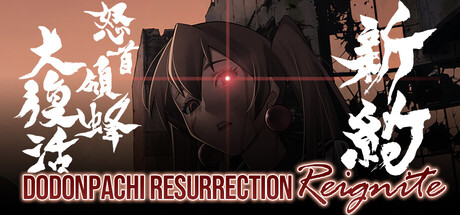 新約・怒首領蜂大復活 In-game content text | AI is used in part for translating text from Japanese into the supported languages.
AI is not used for game development, content generation, or any purposes other than translation. | CAVE Interactive CO., LTD. | - | Aug 20, 2026 | |
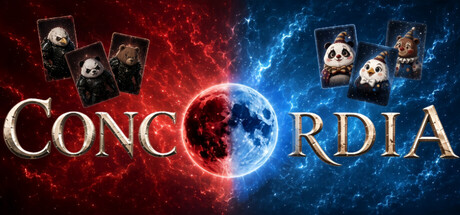 ConCordia In-game content art | Store page assets: These were primarily created by our designers through composition and arrangement of existing in-game assets, followed by minor AI-assisted adjustments to atmosphere (e.g., lighting, color tones). All final images have undergone thorough human review and refinement. The core design work was completed by our designers, with AI serving only as a supplementary tool to enhance the final presentation. | Love.Element | - | Aug 20, 2026 | |
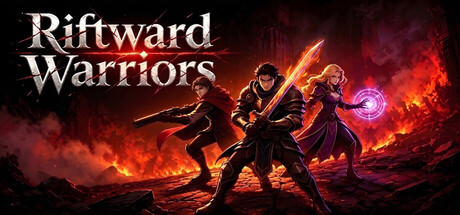 裂界勇士 In-game content art | Generative AI was used to assist in creating some visual assets, including certain background images and the game start screen artwork. Other game content, including gameplay, programming, character design, and world-building, was created independently by the development team. | BlackKnightStudio | - | Aug 20, 2026 | |
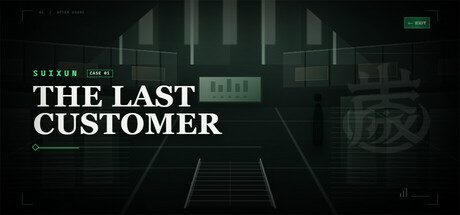 Suixun 01: The Last Customer Dev only codetext | Generative AI tools were used during development to assist with portions of the programming, user interface and text presentation implementation, as well as initial drafts of some localizations. The game’s setting, narrative text, visual design, and all final content were created and determined by the developer. No generative image models were used, and the game does not connect to or invoke any generative AI services at runtime. It contains no live-generated content. | 玄猫 | - | Aug 20, 2026 | |
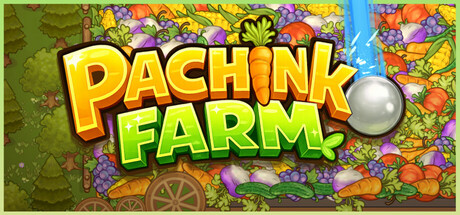 Pachinko Farm In-game content audio | Musics only. | Witchcraft Entertainment | 58 | Aug 19, 2026 | |
 Rushmark Dev only code | Source code and store page copy were written with AI assistance (Claude), reviewed and edited by the developer before shipping. No AI-generated artwork, music, voice or narrative content ships in this game. All in-game visuals are hand-written shaders and code-drawn geometry; sound effects are procedurally synthesised by a deterministic script; music is licensed from a human artist; fonts are licensed typefaces. No generative AI runs at runtime. | Beyond Bounds Digital | - | Aug 19, 2026 | |
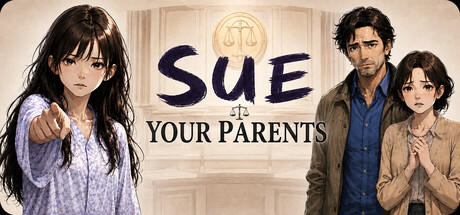 Sue your parents In-game content arttext | Generative AI tools were used during development to create and assist with some pre-generated artwork, localization, and store/marketing assets. All AI-assisted content was reviewed and edited by the developer before inclusion in the final product. The game does not generate AI content during gameplay. | SOOJISTUDIO | - | Aug 19, 2026 | |
 Obolus In-game content art | The 2D art in OBOLUS is made with image generation models running locally on my own machine — Stable Diffusion XL through ComfyUI, including a style model I trained myself on 1930s cartoon references. None of it is a raw output: every sprite, backdrop, card frame and icon was directed through many passes, then cut out, colour-corrected, upscaled and assembled frame by frame into animation sheets.
Everything else is not AI: the rules, every card and every number on it, the balance, the 22 heroes, the six lands, the writing and the interface. The sound effects are synthesised by code written for this game.
Nothing is generated while you play. The game makes no network calls and ships with no model — nothing runs on your machine, and none of your data goes anywhere. | briciagames | - | Aug 19, 2026 | |
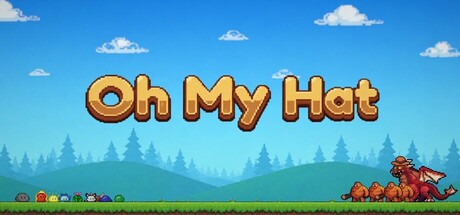 Oh My Hat In-game content art | This game uses generative AI-assisted content in some pre-rendered assets, such as visual effects, UI elements, background or promotional artwork, and marketing/community materials. No live generative AI system is used during gameplay, and the game does not generate new player-facing content dynamically while the player is playing. | Two-Sun Studio | - | Aug 19, 2026 | |
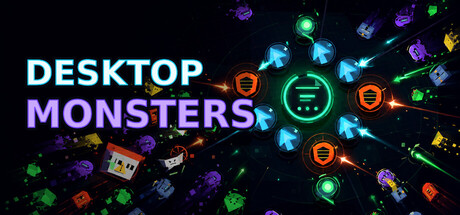 Desktop Monsters In-game content art | Generative AI was used to create pre-generated promotional artwork for the Steam store page and Steam library, including capsule, header, hero, and library artwork. The generated artwork was based on the developer's original game concepts and gameplay references. All outputs were manually reviewed, selected, edited, composited, resized, and verified by the developer before publication. Gameplay screenshots and the gameplay trailer use actual in-game footage. The game does not generate AI content during gameplay and does not connect to external AI services. | Ludolark | - | Aug 19, 2026 | |
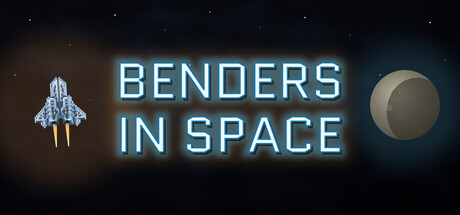 Benders In Space Unclear artaudio | AI was used during development to help with visual and sound effects. | mendlogames | - | Aug 19, 2026 | |
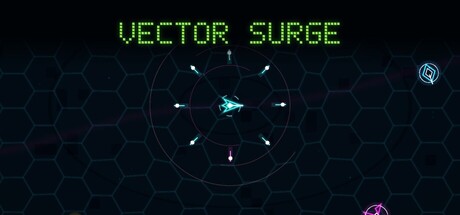 Vector Surge In-game content textaudio | AI Was used to generate the page description, it was also used to test certain parts of the game and help debug a few problems, there was partial AI usage also for the game music, while the music itself was created in FL Studio there was usage to generate some of the variants of the tracks | RaithSphere | - | Aug 19, 2026 | |
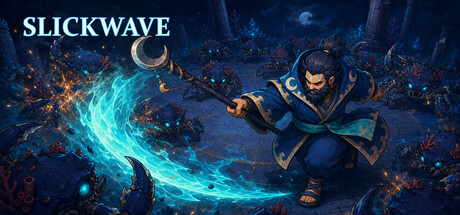 SLICKWAVE In-game content codearttext | Generative AI tools were used during development to assist with portions of the game's code, visual asset creation, localization, and marketing artwork. All included content was selected, edited, integrated, and reviewed by the developer. The game does not generate AI content during gameplay. | SLICK3R | - | Aug 19, 2026 | |
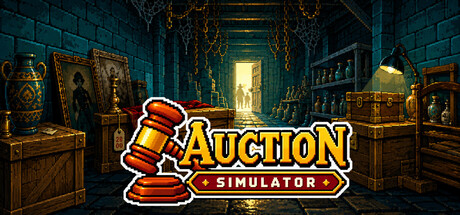 Auction Simulator In-game content art | Some of the images in the game are AI generated | WOMBEX Games | - | Aug 19, 2026 | |
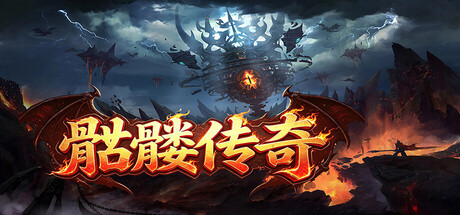 骷髅传奇 Store/marketing art | Assets on the store page have been AI‑enhanced. | 骷髅传奇 | - | Aug 19, 2026 | |
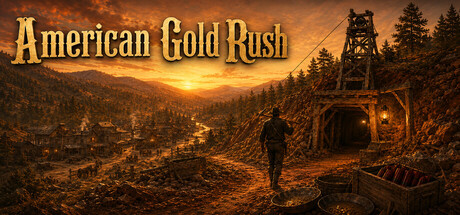 American Gold Rush In-game content art | American Gold Rush uses limited AI-generated art in a small number of places, all of it pre-generated during development. No AI is used while you play, and nothing about the game changes at runtime.
AI-generated: the title artwork, some background pieces like the sky.
Not AI-generated: all pixel art, all sound effects, all music, all game code and all writing. These are human-made, by named people paid for the work. | Kavyo Games | - | Aug 19, 2026 | |
 Brainrot Clicker In-game content arttext | Generative AI tools were used during development to assist with some pre-generated visual assets, written content, and development-related creative work. All AI-assisted content included in the final game and store materials is reviewed by the developer before release. The game does not generate AI content during gameplay and does not connect to external AI services while running. | Fr1ev studios | - | Aug 19, 2026 | |
 Root Cause In-game content artaudiotext | Root Cause is utilizes AI assets in the game. This content, when utilized, is generated during development, then curated, edited, and committed to the project before release. Nothing is generated while the game is running.
Items that may be generated:
Illustrated art.
UI/Interfaces
Icon Sets
Sounds and Music
Dialogue, case briefings, case content, and interface copy | Osaka Rock | - | Aug 19, 2026 | |
 Gearbound In-game content artaudio | The visual art in Gearbound is made with PixelLab, an AI pixel-art tool. Every sprite, animation, tileset, background, prop, interface element and piece of marketing art was generated with PixelLab and then directed, edited and assembled by us.
The music and sound effects are rendered by synthesis scripts that were written with AI assistance. No generative audio model was used, and nothing was sourced from a music-generation service.
Nothing is generated by AI while you play. Every asset is finished and baked into the build before it ships, and the game makes no AI calls at runtime. | Osaka Rock | - | Aug 19, 2026 | |
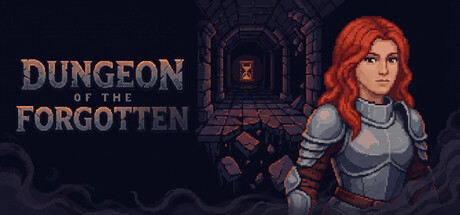 Dungeon of the Forgotten In-game content arttext | Generative AI was used for:
- The game's logo and Steam store capsule artwork (image generation)
- Translation of in-game text into Turkish, German, French and Spanish
-AI-generated images were reviewed and edited before use. | Berkay Turkmen | - | Aug 19, 2026 | |
 FRAMEOUT In-game content codeart | AI coding assistants were used during development to help create and edit portions of the code and player-facing implementation that ship with the game. The game's 2D artwork was not created by an image-generation model. All AI-assisted outputs were reviewed, edited, and integrated by the developer. The game does not use generative AI at runtime. | Kebapp Games | - | Aug 19, 2026 | |
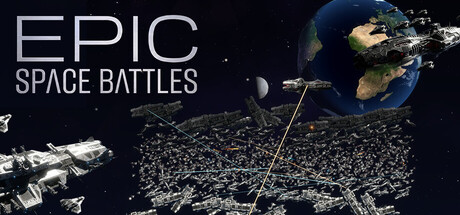 Epic Space Battles In-game content artcode | Generative AI tools were used during development to assist with the creation and iteration of some game assets and development code. AI-assisted content included in the final game is pre-generated and reviewed by the developer. The game does not generate AI content during gameplay. | BlueGamer Productions | - | Aug 19, 2026 | |
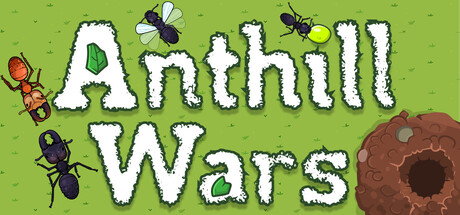 Anthill Wars: Ant Colony Sim In-game content text | Some texts were translated using artificial intelligence. | Playrea | - | Aug 19, 2026 | |
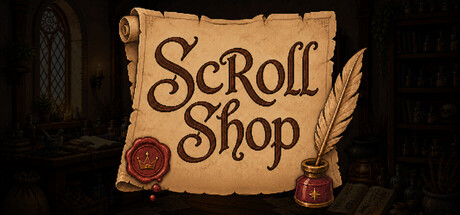 Scroll Shop In-game content audiocode | Music and sound effects were AI-generated (Suno / ElevenLabs) and edited by the developer. AI (Claude Code) was also used as a coding assistant during development. Visual assets are licensed/purchased assets and are not AI-generated. No AI content is generated live during gameplay all content is fixed and authored before release. | indie-dir | - | Aug 19, 2026 | |
 SEC//SIM — Security Engineer Simulation Store/marketing codetext | Generative AI was used during development as a coding assistant and to assist with drafting and translating store-page and marketing text. Some pixel-art assets were rendered by deterministic drawing code written with AI assistance; the final images were not directly output by a text-to-image or diffusion model. All shipped and published content was reviewed and edited by the developer. No generative AI runs in the game, and no content is generated from player input. | sasoriken-games | - | Aug 19, 2026 | |
 Grim wanderings reborn In-game content art | Most of the graphic images were generated using AI with further manual processing | Ellinia games | - | Aug 19, 2026 | |
 Until I Reclaim It In-game content art | Generative AI tools were used during the development process for pre-generated image assets, specifically for refining, upscaling, and enhancing original artwork created by the developer. No real-time AI generation is used in the game. | yongtasy | - | Aug 19, 2026 | |
 KICKSLAUGHT Store/marketing art | Some of the store's visual designs utilized AI. | RedenelGO | - | Aug 19, 2026 | |
 Yeet the Chest Store/marketing text | We used AI tools to assist in drafting and refining parts of the game's store description and promotional texts | GooseBumps | - | Aug 19, 2026 | |
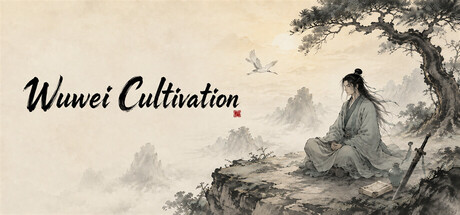 无为修仙传 In-game content art | This game uses generative‑AI technology to create part of the in‑game assets, art and content. All AI‑generated content has been reviewed and adjusted by human developers. | Programmer Xiaohui | - | Aug 19, 2026 | |
 RPG System In-game content art | Generative AI tools were used during development to assist in the creation of some visual assets. All AI-assisted content is pre-generated and included as part of the game. The game does not generate AI content during gameplay. | J&V ENTERTAINMENT LTDA | - | Aug 19, 2026 | |
 Angkor In-game content artaudiotextcode | Some assets and code in Angkor were created with the assistance of generative AI tools, including 2D art, sound effects, portions of the game's code, and some in-game text. All AI-assisted content was reviewed, edited, and integrated by a human developer. Angkor does not generate any content live during gameplay. | Trippy Bento Studio | - | Aug 19, 2026 | |
 Phluxel In-game content text | AI assistance was used to translate the user interface and this store page into non-English languages. The artwork, trailers, and original English text were created by the developer. | ErinWave | - | Aug 19, 2026 | |
 Re:Draw In-game content text | The narrative and interface text in this game - dialogue, tutorial guidance, in-game descriptions, and localization into all supported languages (Russian, English, French, Italian, German, Spanish, Dutch, Polish, Portuguese) - was generated with the assistance of generative AI (a large language model), based on the developer's original game concept, design, and creative direction. No other content in this game - art, music, sound, or gameplay - is AI-generated. | kam_ushek99 | - | Aug 19, 2026 |


