


Disclosure
The character voices used in the game were generated by artificial intelligence.
- Creator
- Gensart
- Reviews
- -
- Added
- Aug 16, 2026
Public Steam disclosure research 27,951 disclosures tracked
Search developers’ Steam disclosures, compare classified AI use across games, and follow recorded changes. This index adds cross-game classifications and statistics to statements published on individual store pages.
Code help, debugging and other development work.
Capsule art, trailers and promotional material.
Pre-made art, audio, writing and other game assets.
Interactive or runtime AI features disclosed by the developer.
Groups reflect automatic analysis of public disclosures; mature records are excluded. These counts do not measure AI use across all of Steam. Missing or unclear statements cannot establish whether a game uses AI.
The character voices used in the game were generated by artificial intelligence.
Swarmvore was built by a solo developer using generative AI tools for the game's code, art, and text. Every piece of content went through many rounds of prompting, testing, and refining, and every creative decision, from mechanics to tone to visual style, was made by the developer.
Used to generate game logo, some in-game icons and steam store page content
Some of this game's graphics and audio assets were created using AI tools.
Generative AI was used in the following ways: • The title logo on our store capsule images was created with an AI image tool. Everything else in those images is real footage from the running game. • The trailer narration was written with AI assistance and voiced using ElevenLabs text-to-speech. • Some in-game text event descriptions, help and interface copy was written with AI assistance and edited by hand. The game itself is not AI-generated. The world simulation, the voxel terrain and its creatures, and all in-game art are hand-built. Sound effects and music are licensed from stock audio libraries. Nothing is generated while you play.
Generative AI was used to assist with the localization of in-game text.
Generative AI tools were used during development to assist with portions of debugging and gameplay balancing. All AI-assisted output was reviewed, modified, tested, and integrated by the developer. The game does not connect to generative AI services or generate AI content during gameplay.
Generative AI was used to assist in the creation of character illustrations, selected artwork, store page assets, and localization. All AI-assisted content has been reviewed, edited, and integrated by the developer. The game does not use generative AI to create content during gameplay.
Some 2D art was made with generative AI as a starting point, cards are renders of our real 3D models with painted backgrounds. No in-game AI, no AI voices, no real people's likenesses. Art may be replaced during Early Access.
AI is used only for translation and sound effects.
The game's main soundtrack was created using generative AI. The game's promotional capsule artwork was also created with the assistance of generative AI. All other gameplay, programming, game design, pixel art, animations, visual effects, sound effects, UI, and game content were created by the developer.
Coding
BattleDeck uses AI tools in the following areas: Artwork, audio and as a development assistant during coding. All AI generated content has been reviewed and refined by the developer.
Generative AI tools were used during development to create most of the game's code and assist with localization, including some store-page text. All AI-assisted outputs were manually reviewed, edited, tested, and integrated by the developer. No artwork, character designs, animations, music, sound effects, or other visual or audio assets were generated using AI. The game does not use live-generated AI during gameplay.
Artificial intelligence was used to create certain user interface elements and to modify the Steam capsule. Although the background of the Steam capsule comes directly from the game, the image was modified using artificial intelligence.
Some store visuals, in-game icons, sound effects, and music were created with the assistance of artificial intelligence.
Coding tools, audio, etc.
Generative AI was used during development to create some pre-generated graphical content. This includes several user interface icons used in the game and the hero banner displayed on the Steam store page. The game does not generate any content using AI during runtime.
Our game, Neo-Exodus: Last Bastion, utilizes generative AI tools to assist in the creation of certain visual assets. Specifically, AI-generated content is used for some static background images, textures, and promotional art displayed on the store page and within the game. All AI-generated content is pre-generated; there is no real-time generation of content during gameplay. We have manually reviewed and curated all AI-assisted assets to ensure they meet our quality and safety standards.
Currently, the game uses around 10% conceptual/placeholder AI-generated textures. All of these placeholders will be completely replaced prior to the 1.0 full release. The following are temporary AI placeholder textures: - Most UI buttons - Vehicle textures - The home screen - The mouse cursor - Most of the shop scene - All bridges The following are NOT AI textures (100% custom-made): - All enemy models and textures (minus the boss "evil reforged bot mk9001") - All item icons and textures - All levels (except for the underground bunker and frozen ridge, which temporarily share the home screen texture)
Generative AI tools were used to help develop some in game assets.
The current Steam capsule images are temporary placeholders made by GenAI, intended to be replaced.
Ai is used to create some loading-screens and other branding materials, also can be used in descriptive texts of the game. All game code/assets are 100% made by humans.
Some 2D art assets in this game — such as menu UI textures (buttons and panels) and background images — were created with the help of generative AI image tools during development. All AI-generated assets were reviewed and edited by the developer before being included in the game. No AI-generated content is created live during gameplay.
AI is used to prepare the promo materials & trailers and generate funny robot voices for bots.
Some 2D art assets are created with AI-assisted pixel-art tools. Some sound effects are generated with AI audio tools. AI tools were used during pre-production only, with no AI content generated at runtime. No music in the game is AI-generated.
Generative AI was used solely for the creation of pre-rendered visual assets (store page illustrations, library assets, and in-game images).
We used generative AI tools to assist in creating in-game background illustrations. All AI-generated assets were pre-rendered during development and do not generate content in real-time.
Artificial intelligence was used to write the code for the required game mechanics, generate textures and models, and create sounds
Some visual assets in this game, including certain character and background art, were created with the assistance of generative AI tools and then reviewed and edited by the developer. All gameplay, code, and design are human-directed. This game does not use AI to generate any content during gameplay.
Generative AI was used in the creation of reaction sound effects (burning, explosions, electricity etc.) only. All music and imagery is human-made and attributed.
AI helped code this game and helped with creating early pre-release marketing/storefront materials
We have used AI to create some of the background artwork and BGM.
Some art assets, textures, and sound effects are created with the assistance of AI tools, then curated and edited by the developer. All game design, gameplay systems, code architecture, physics simulation, and mission design are human-made. No AI-generated content is created at runtime. As a solo developer with a limited budget, I use AI tools to help produce some assets and sounds. This lets me keep my time focused where a solo dev's hours matter most — the core gameplay, the physics simulation, and mission design — while still delivering production quality that would normally require an extended team. Every AI-assisted asset is curated, edited, and integrated by hand.
This game is developed by a solo developer. To ship a project of this scope in a reasonable timeframe, some assets are created with the help of generative AI tools. This includes parts of the user interface, certain icons, and the game logo. All core gameplay, code, systems, and world generation are built by hand. AI is used only as a support tool for visual assets, and all generated content is reviewed and edited before use.
A game created with the help of "vibe coding." Some assets were created using AI.
Some visual and promotional elements of the game have been created with the use of ai.
(3D Models & Environments): %0 (Textures & Materials): %0 (Programming & Blueprints): %0 (UI/UX Design): %0 (Animation): %0 (Game Design): %0 (Story & Writing): %0 (VFX): %0 (Sound Effects / SFX): %0 (2D Art & Concept Art): %40 (Music): %100 (Localization): %100
AI tools were used to assist with coding. The game’s music and four cutscenes were generated using AI.
This game uses generative AI to help create some assets, including audio/voice and visual content. All outputs are reviewed and edited by the developers before being used.
Generative AI tools were used during development to assist with drafting, revising, and refactoring portions of the game’s source code. It was reviewed, edited, compiled, and tested by the developer before inclusion.
Localisation: The game's interface text was localised into 11 languages (French, Spanish (Latin America), Italian, German, Portuguese (Brazil), Russian, Simplified Chinese, Korean, Japanese, Polish, Turkish) with the assistance of AI tools. All original English source text was written by the developer. Voice-over: Some in-game voice-over was created using AI voice generation, used alongside recordings from real voice artists. Music: Two background music tracks heard on in-game radios were generated with AI tools, then filtered and edited by the developer in FL Studio. Store art: The capsule artwork combines a hand-made logo created by a commissioned artist with an AI-generated background.
Generative AI was used solely for the creation of pre-rendered visual assets (store page illustrations, library assets, and in-game images).
Generative AI tools were used to create most of the materials and assets included in this game. This includes visual assets, audio-related content, and other creative components. All AI-generated content was reviewed, selected, edited, refined, and integrated by the developer to ensure consistency with the game’s artistic direction, design, and overall creative vision.
Real-Time Generation: This game does not feature any live or real-time AI content generation. External Connectivity: The game runs entirely locally and does not connect to external AI services or servers while playing. Pre-Generated Content: Generative AI tools were used to create the game's background music, and to generate source material for portions of the sound and art, refined by the developer.
This game utilizes generative artificial intelligence tools in its development to assist our small team. Specifically, AI was used to help localize our Steam store listing text into multiple languages to reach a broader audience. Additionally, AI tools were used to help refine and format certain store promotional images and icons, which are strictly based on and adapted from our original, human-created hand-drawn concept art. No live-generated AI content is used during active gameplay.
AI used to assist in code development.
AI helped create some 2D and 3D art. Judge the game, not the tools. Fun is what matters.
Godwright ships some generative-AI content, all pre-rendered (baked into the build, never live-generated): Localization: the non-English UI text (Simplified Chinese, Spanish, Portuguese-BR, Russian, German, French, Japanese, Korean, Turkish, Indonesian) was machine-translated.
Stickplosion makes extensive use of generative AI in its creation. Visual assets — including character art, environment art, UI elements, and logo — were generated with AI tools and curated by the developer. Sound effects and music were similarly produced with AI assistance. In-game text and store-page copy were written with AI assistance as well. All generated content was reviewed, selected, and edited by the developer before inclusion in the final game.
| Title⇅ | Disclosure | Creator⇅ | Src | Reviews⇅ | Added↓ |
|---|---|---|---|---|---|
 Carnage Mania In-game content audio | The character voices used in the game were generated by artificial intelligence. | Gensart | - | Aug 16, 2026 | |
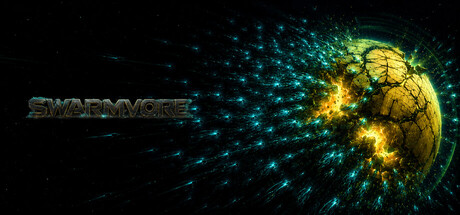 Swarmvore In-game content arttextcode | Swarmvore was built by a solo developer using generative AI tools for the game's code, art, and text. Every piece of content went through many rounds of prompting, testing, and refining, and every creative decision, from mechanics to tone to visual style, was made by the developer. | Panda Games VK | 30 | Aug 16, 2026 | |
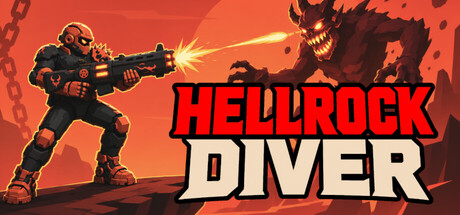 HellRock Diver In-game content art | Used to generate game logo, some in-game icons and steam store page content | HyugaHouse Games | - | Aug 16, 2026 | |
 BokoBoko Strike In-game content artaudio | Some of this game's graphics and audio assets were created using AI tools. | KANOTYPE | - | Aug 16, 2026 | |
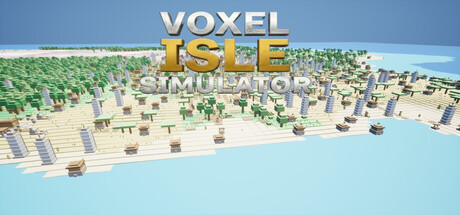 VOXEL ISLE SIMULATOR In-game content arttextaudio | Generative AI was used in the following ways:
• The title logo on our store capsule images was created with an AI image
tool. Everything else in those images is real footage from the running game.
• The trailer narration was written with AI assistance and voiced using
ElevenLabs text-to-speech.
• Some in-game text event descriptions, help and interface copy was
written with AI assistance and edited by hand.
The game itself is not AI-generated. The world simulation, the voxel terrain
and its creatures, and all in-game art are hand-built. Sound effects and music
are licensed from stock audio libraries. Nothing is generated while you play. | SFH PROD | - | Aug 14, 2026 | |
 Blastlane Racers In-game content text | Generative AI was used to assist with the localization of in-game text. | High Mountain Games | 19 | Aug 14, 2026 | |
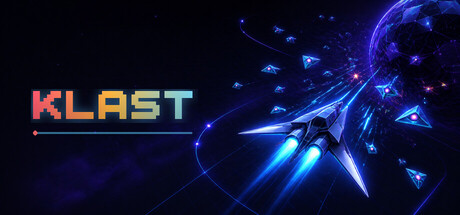 KLAST Dev only code | Generative AI tools were used during development to assist with portions of debugging and gameplay balancing. All AI-assisted output was reviewed, modified, tested, and integrated by the developer. The game does not connect to generative AI services or generate AI content during gameplay. | Ursavus LLC | - | Aug 13, 2026 | |
 PRINCESS VANGUARD In-game content arttext | Generative AI was used to assist in the creation of character illustrations, selected artwork, store page assets, and localization. All AI-assisted content has been reviewed, edited, and integrated by the developer. The game does not use generative AI to create content during gameplay. | きなこ棒(Kinakoboo) | - | Aug 13, 2026 | |
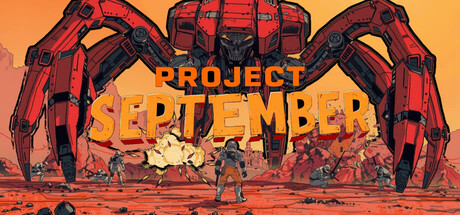 Project September In-game content art | Some 2D art was made with generative AI as a starting point, cards are renders of our real 3D models with painted backgrounds. No in-game AI, no AI voices, no real people's likenesses. Art may be replaced during Early Access. | Livari Studio | - | Aug 11, 2026 | |
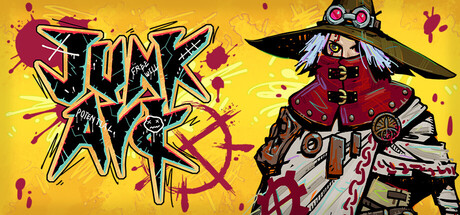 Junk Ark In-game content textaudio | AI is used only for translation and sound effects. | Burning Bone | - | Aug 11, 2026 | |
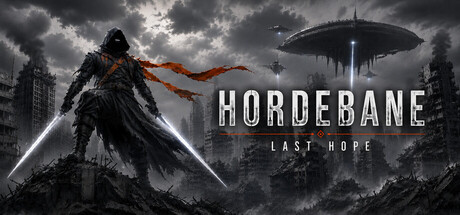 Hordebane: Last Hope In-game content audioart | The game's main soundtrack was created using generative AI. The game's promotional capsule artwork was also created with the assistance of generative AI. All other gameplay, programming, game design, pixel art, animations, visual effects, sound effects, UI, and game content were created by the developer. | Luparc Games | - | Aug 11, 2026 | |
 TowOrbs Unclear code | Coding | Exaltes | - | Aug 8, 2026 | |
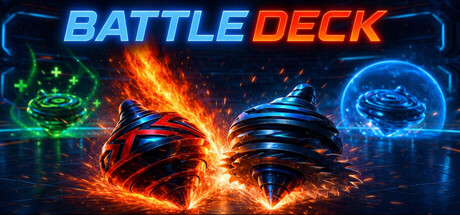 BattleDeck In-game content artaudiocode | BattleDeck uses AI tools in the following areas:
Artwork, audio and as a development assistant during coding. All AI generated content has been reviewed and refined by the developer. | 5Aces | - | Aug 8, 2026 | |
 Mana Boom In-game content codetext | Generative AI tools were used during development to create most of the game's code and assist with localization, including some store-page text. All AI-assisted outputs were manually reviewed, edited, tested, and integrated by the developer. No artwork, character designs, animations, music, sound effects, or other visual or audio assets were generated using AI. The game does not use live-generated AI during gameplay. | PepaStar | - | Aug 5, 2026 | |
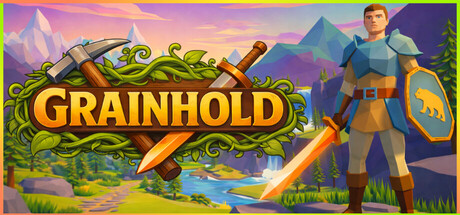 Grainhold Store/marketing art | Artificial intelligence was used to create certain user interface elements and to modify the Steam capsule. Although the background of the Steam capsule comes directly from the game, the image was modified using artificial intelligence. | CreakGames | - | Aug 2, 2026 | |
 Everybody Loves a Good Hole In-game content artaudio | Some store visuals, in-game icons, sound effects, and music were created with the assistance of artificial intelligence. | Roovel Studio | 16 | Aug 1, 2026 | |
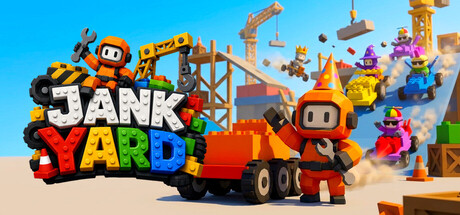 Jank Yard Unclear codeaudio | Coding tools, audio, etc. | Watashi Games | - | Jul 31, 2026 | |
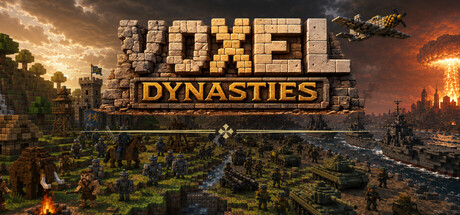 Voxel Dynasties In-game content art | Generative AI was used during development to create some pre-generated graphical content. This includes several user interface icons used in the game and the hero banner displayed on the Steam store page. The game does not generate any content using AI during runtime. | Felix Kempin | - | Jul 30, 2026 | |
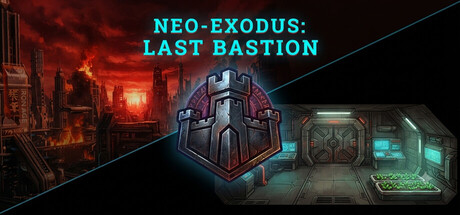 Neo-Exodus: Last Bastion In-game content art | Our game, Neo-Exodus: Last Bastion, utilizes generative AI tools to assist in the creation of certain visual assets. Specifically, AI-generated content is used for some static background images, textures, and promotional art displayed on the store page and within the game. All AI-generated content is pre-generated; there is no real-time generation of content during gameplay. We have manually reviewed and curated all AI-assisted assets to ensure they meet our quality and safety standards. | GODev Games | - | Jul 30, 2026 | |
 TAKEDOWN 16 In-game content art | Currently, the game uses around 10% conceptual/placeholder AI-generated textures. All of these placeholders will be completely replaced prior to the 1.0 full release.
The following are temporary AI placeholder textures:
- Most UI buttons
- Vehicle textures
- The home screen
- The mouse cursor
- Most of the shop scene
- All bridges
The following are NOT AI textures (100% custom-made):
- All enemy models and textures (minus the boss "evil reforged bot mk9001")
- All item icons and textures
- All levels (except for the underground bunker and frozen ridge, which temporarily share the home screen texture) | dobert_dev | - | Jul 25, 2026 | |
 Fractal Descent In-game content art | Generative AI tools were used to help develop some in game assets. | AEVO | - | Jul 25, 2026 | |
 Capybara Clash Store/marketing art | The current Steam capsule images are temporary placeholders made by GenAI, intended to be replaced. | StudyFun | - | Jul 25, 2026 | |
 SCARVOID Store/marketing arttext | Ai is used to create some loading-screens and other branding materials, also can be used in descriptive texts of the game.
All game code/assets are 100% made by humans. | Cyberhaze | - | Jul 23, 2026 | |
 Velocrash In-game content art | Some 2D art assets in this game — such as menu UI textures (buttons and panels) and background images — were created with the help of generative AI image tools during development. All AI-generated assets were reviewed and edited by the developer before being included in the game. No AI-generated content is created live during gameplay. | Apolloxian Games | 11 | Jul 22, 2026 | |
 RIFTFALL In-game content audioart | AI is used to prepare the promo materials & trailers and generate funny robot voices for bots. | GameEra Studios | - | Jul 22, 2026 | |
 Blame the Wind In-game content artaudio | Some 2D art assets are created with AI-assisted pixel-art tools. Some sound effects are generated with AI audio tools. AI tools were used during pre-production only, with no AI content generated at runtime. No music in the game is AI-generated. | Ædrift Studio | - | Jul 18, 2026 | |
 My Zombie Apocalypse In-game content art | Generative AI was used solely for the creation of pre-rendered visual assets (store page illustrations, library assets, and in-game images). | Kornux Games | - | Jul 17, 2026 | |
 GearGrave In-game content art | We used generative AI tools to assist in creating in-game background illustrations. All AI-generated assets were pre-rendered during development and do not generate content in real-time. | 81MM | - | Jul 15, 2026 | |
 Earth Simulator In-game content artaudiocode | Artificial intelligence was used to write the code for the required game mechanics, generate textures and models, and create sounds | Gamesforfarm | 312 | Jul 13, 2026 | |
 EVIL Agribusiness Simulator In-game content art | Some visual assets in this game, including certain character and background art, were created with the assistance of generative AI tools and then reviewed and edited by the developer. All gameplay, code, and design are human-directed. This game does not use AI to generate any content during gameplay. | 1973 Studios | - | Jul 11, 2026 | |
 Alembic In-game content audio | Generative AI was used in the creation of reaction sound effects (burning, explosions, electricity etc.) only.
All music and imagery is human-made and attributed. | Equious | - | Jul 9, 2026 | |
 BallSlop Store/marketing codeart | AI helped code this game and helped with creating early pre-release marketing/storefront materials | Pheonix Downtown Studios | - | Jul 9, 2026 | |
 IRON RAIL GIRLS : 最終列車のドライジーネ In-game content artaudio | We have used AI to create some of the background artwork and BGM. | もりのあるまち | - | Jul 9, 2026 | |
 Military Destruction: Shock & Awe In-game content artaudio | Some art assets, textures, and sound effects are created with the assistance of AI tools, then curated and edited by the developer. All game design, gameplay systems, code architecture, physics simulation, and mission design are human-made. No AI-generated content is created at runtime.
As a solo developer with a limited budget, I use AI tools to help produce some assets and sounds. This lets me keep my time focused where a solo dev's hours matter most — the core gameplay, the physics simulation, and mission design — while still delivering production quality that would normally require an extended team. Every AI-assisted asset is curated, edited, and integrated by hand. | Bax Studios | - | Jul 8, 2026 | |
 No Man's Mines In-game content art | This game is developed by a solo developer. To ship a project of this scope in a reasonable timeframe, some assets are created with the help of generative AI tools. This includes parts of the user interface, certain icons, and the game logo. All core gameplay, code, systems, and world generation are built by hand. AI is used only as a support tool for visual assets, and all generated content is reviewed and edited before use. | Auscan Games | - | Jul 8, 2026 | |
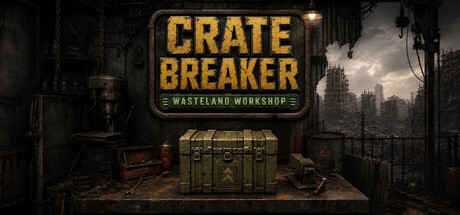 Cratebreaker: Wasteland Workshop In-game content art | A game created with the help of "vibe coding." Some assets were created using AI. | VitalGrid Games | - | Jul 8, 2026 | |
 The Legend of Fireball Store/marketing art | Some visual and promotional elements of the game have been created with the use of ai. | TapNation | 51 | Jul 7, 2026 | |
 Mayhem Duck Simulator Unclear artaudiotext | (3D Models & Environments): %0
(Textures & Materials): %0
(Programming & Blueprints): %0
(UI/UX Design): %0
(Animation): %0
(Game Design): %0
(Story & Writing): %0
(VFX): %0
(Sound Effects / SFX): %0
(2D Art & Concept Art): %40
(Music): %100
(Localization): %100 | Glare Games | - | Jul 6, 2026 | |
 The Big Suck In-game content audioart | AI tools were used to assist with coding. The game’s music and four cutscenes were generated using AI. | Critics Arcade | 42 | Jul 3, 2026 | |
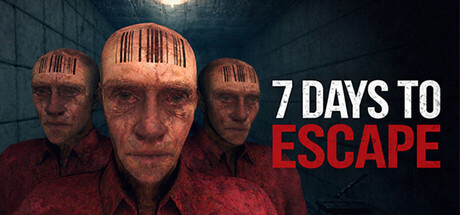 7 Days to Escape In-game content audioart | This game uses generative AI to help create some assets, including audio/voice and visual content. All outputs are reviewed and edited by the developers before being used. | RedForge | - | Jul 3, 2026 | |
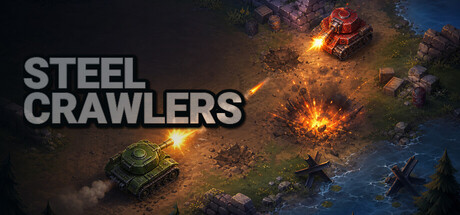 Steel Crawlers Dev only code | Generative AI tools were used during development to assist with drafting, revising, and refactoring portions of the game’s source code. It was reviewed, edited, compiled, and tested by the developer before inclusion. | Artcodeup | - | Jul 2, 2026 | |
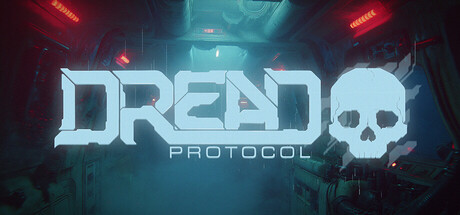 Dread Protocol In-game content textaudio | Localisation: The game's interface text was localised into 11 languages (French, Spanish (Latin America), Italian, German, Portuguese (Brazil), Russian, Simplified Chinese, Korean, Japanese, Polish, Turkish) with the assistance of AI tools. All original English source text was written by the developer.
Voice-over: Some in-game voice-over was created using AI voice generation, used alongside recordings from real voice artists.
Music: Two background music tracks heard on in-game radios were generated with AI tools, then filtered and edited by the developer in FL Studio.
Store art: The capsule artwork combines a hand-made logo created by a commissioned artist with an AI-generated background. | Meat Lab | 26 | Jun 28, 2026 | |
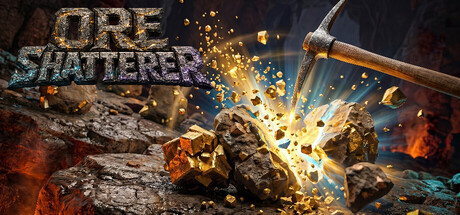 Ore Shatterer In-game content art | Generative AI was used solely for the creation of pre-rendered visual assets (store page illustrations, library assets, and in-game images). | Kornux Games | - | Jun 28, 2026 | |
 Chicken Battlefield In-game content artaudio | Generative AI tools were used to create most of the materials and assets included in this game. This includes visual assets, audio-related content, and other creative components. All AI-generated content was reviewed, selected, edited, refined, and integrated by the developer to ensure consistency with the game’s artistic direction, design, and overall creative vision. | chickenbattlefielddevs | - | Jun 28, 2026 | |
 Steel Maiden In-game content audioart | Real-Time Generation: This game does not feature any live or real-time AI content generation.
External Connectivity: The game runs entirely locally and does not connect to external AI services or servers while playing.
Pre-Generated Content: Generative AI tools were used to create the game's background music, and to generate source material for portions of the sound and art, refined by the developer. | Keicee | - | Jun 28, 2026 | |
 STEEL PHANTOMS In-game content textart | This game utilizes generative artificial intelligence tools in its development to assist our small team. Specifically, AI was used to help localize our Steam store listing text into multiple languages to reach a broader audience. Additionally, AI tools were used to help refine and format certain store promotional images and icons, which are strictly based on and adapted from our original, human-created hand-drawn concept art. No live-generated AI content is used during active gameplay. | ZAMJARAH STUDIO | - | Jun 28, 2026 | |
 Sunder Dev only code | AI used to assist in code development. | Fenris Labs | - | Jun 28, 2026 | |
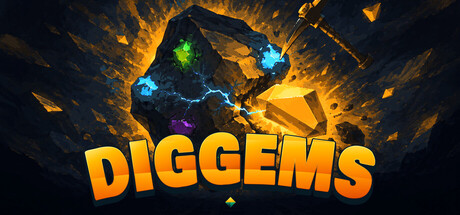 Diggems In-game content art | AI helped create some 2D and 3D art. Judge the game, not the tools. Fun is what matters. | Purgehold | - | Jun 28, 2026 | |
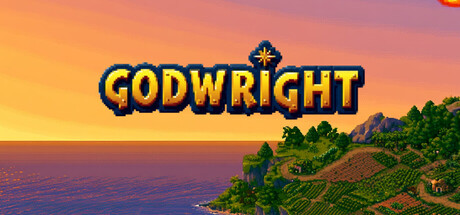 GodWright In-game content text | Godwright ships some generative-AI content, all pre-rendered (baked into the build, never live-generated):
Localization: the non-English UI text (Simplified Chinese, Spanish, Portuguese-BR, Russian, German, French, Japanese, Korean, Turkish, Indonesian) was machine-translated. | JaceDev | - | Jun 27, 2026 | |
 Stickplosion In-game content artaudiotext | Stickplosion makes extensive use of generative AI in its creation. Visual assets — including character art, environment art, UI elements, and logo — were generated with AI tools and curated by the developer. Sound effects and music were similarly produced with AI assistance. In-game text and store-page copy were written with AI assistance as well. All generated content was reviewed, selected, and edited by the developer before inclusion in the final game. | Ghost World Gaming | - | Jun 27, 2026 |


