








Disclosure
Working on replacing some audio and a few other visuals that were generated as place holder assets.
- Creator
- Super Subatomic Games, LLC
- Reviews
- -
- Added
- Aug 26, 2026
Public Steam disclosure research 25,380 disclosures tracked
Search developers’ Steam disclosures, compare classified AI use across games, and follow recorded changes. This index adds cross-game classifications and statistics to statements published on individual store pages.
Code help, debugging and other development work.
Capsule art, trailers and promotional material.
Pre-made art, audio, writing and other game assets.
Interactive or runtime AI features disclosed by the developer.
Groups reflect automatic analysis of public disclosures; mature records are excluded. These counts do not measure AI use across all of Steam. Missing or unclear statements cannot establish whether a game uses AI.
Working on replacing some audio and a few other visuals that were generated as place holder assets.
Skill icons, character portraits, and similar assets were generated using AI. All other content was created manually.
Generative AI tools were used during development to assist with selected 2D and 3D visual assets, sounds, localization, and marketing materials. All AI-assisted content was reviewed, edited, and integrated by the developer to ensure consistency with the game's visual style and intended design.
Ashen Wild was created almost exclusively with AI tools to generate the code and graphics, VFX, sound etc. The store page, website and other marketing materials were created using AI.
Generative AI tools were used to assist with store page text localization and marketing copy drafts. All content was reviewed and edited by the developer before publication.
As a solo developer, AI has been a big help in making the development of this game more efficient by assisting in, but not be the sole performer of: testing, performing repetitive and some programming tasks, brainstorming and discussions, translations and some design.
This game contains pre-generated 2D artwork and source code created with ChatGPT during development. All game source code was generated with ChatGPT, then reviewed, tested, debugged, and integrated by the developer. The artwork was generated from original prompts written for Gravefire Tavern, then reviewed, selected, edited, composited, cropped, and integrated by the developer. No generative AI runs during gameplay, and no player input is sent to an AI service.
Some 2D‑art assets in this game are created with the assistance of generative‑AI tools. These assets have been filtered, edited, composited and manually reviewed by the developer before being used in‑game. The game does not perform real‑time content generation based on player input during runtime, nor does it send any player input to generative‑AI services.
Game Design
This game was developed with the help of generative AI tools in the following areas: Some art assets, including characters, backgrounds, UI, and effects Store page capsule images and key art English localization of in-game text Portions of the source code All generated output was reviewed, edited, and integrated by the developer, and the final content is the developer's responsibility. No content is generated by AI while the game is running.
Coding assistance is used for developing the game. Building automation test suites and creating support tools.
Generative AI tools were used to assist in creating select 2D artwork for this game illustrations for collectible cards, artwork for the card battle/arena scene, and the game's logo and store capsule art. All AI-assisted artwork was selected, edited, and finalized by the development team before inclusion. Generative AI was not used to create the 3D open-world environment, or other gameplay systems/mechanics. This is for the demo build, and some or all AI-assisted art may be replaced with original human-made artwork in the full release.
"Generative AI tools were used during development to assist in creating a portion of the art, background assets, and UI icons. All AI-generated content was reviewed and manually refined by our team."
Artwork, music and parts of the text were created with AI tools and individually curated, refined and hand-fitted into the game by the developer. No AI content is generated at runtime.
The Rumble Pit is made by one person, and generative AI tools were part of how it was built. Music: the tracks you hear in the menus and in the twelve dungeons were generated with a local AI music model, from a written brief for each place, then cut, looped and mixed by hand. 2D art: the interface icons, the class and specialisation emblems, the dungeon thumbnails, the illustrated boss backdrops and the logo were produced with image generation tools, then cropped, cleaned up and colour-matched by hand. Text and code: much of the in-game text — talent names and descriptions, loot labels, boss briefings, the translation tables — and part of the source code were drafted with an AI assistant, then edited, tested and rewritten by hand. Not AI-generated: the 3D models and animations (licensed art packs), and the sound effects (CC0 libraries). Nothing is generated while you play. The game connects to no AI service and produces no new content at runtime — everything ships as a fixed file, checked before release.
Generative AI was used to create portions of music, icon art, and some textures.
Some of the visual assets in Champions of Thaloria were created with the help of generative AI tools during development. This includes parts of the store page artwork and trailer, along with a portion of the in-game 2D art such as item icons, avatar frames and class emblems. Every AI-assisted asset was selected, edited and assembled by hand before it went into the game, and all of it was reviewed by the developer. The game does not generate anything while you play. No content is created at runtime and no AI service is contacted during gameplay — everything ships with the game.
Some graphical assets and sounds.
Art, textures, and sounds use both human work and AI generation.
Generative AI was used to create a small number of 3D models and art assets. All game code, design, and gameplay systems were created without the use of Generative AI.
Generative AI was used to prototype some UI elements. All AI generated content will be removed before game release.
AI was used during development to help produce the game's code and visual art, including item icons. All AI-assisted work is reviewed, refined, and finalized by the developer. No content is generated by AI while the game is running.
I used AI for generating guide image, illustration, or trailer. These would be replaced before 1.0 release.
Some art, icons, music, sound effects, and marketing or store assets were created or assisted with generative AI tools during development, then reviewed and curated by the team. The game does not generate new AI content in real time during gameplay and does not connect to external AI services while you play.
Generative AI has been used to assist in the creation of certain promotional artwork and visual assets. AI tools have also been used during development to assist with programming, documentation, and iteration. All generated content has been reviewed, integrated, and validated by the developer before being included in the final product.
A small amount of public domain and commissioned art assets may have used genAI before passing to a human for modification/inclusion.
We are committed to the ethical use of AI. As such, limited assistance with some text, spoken dialogue, narrative, localization, and store/marketing copy may have been utilized. It is not used to generate artwork or live gameplay content, and all final content is reviewed by the team.
The visual art in Gearbound is made with PixelLab, an AI pixel-art tool. Every sprite, animation, tileset, background, prop, interface element and piece of marketing art was generated with PixelLab and then directed, edited and assembled by us. The music and sound effects are rendered by synthesis scripts that were written with AI assistance. No generative audio model was used, and nothing was sourced from a music-generation service. Nothing is generated by AI while you play. Every asset is finished and baked into the build before it ships, and the game makes no AI calls at runtime.
Some promotional materials for this game — including portions of the trailer and key art — were created with the assistance of generative AI tools. All such content is pre-generated, reviewed, and edited by the developer before publication. The game itself does not generate any content with AI at runtime.
Part of the assets on the store page have been optimized with AI.
AI was used to assist with base image generation, all in-game assets were edited manually prior to implementation.
The visual assets in Grim Looters — character, monster, item and card artwork, plus the store and marketing images — were created with the assistance of generative AI image tools and then curated, edited, and assembled by the developer. Some background music was AI-assisted. All AI-generated content is reviewed by the developer to ensure it is appropriate and cleared for use. No AI content is generated live during gameplay.
This game used generative artificial intelligence to assist in creating certain content, including: concept designs for the opening comic and concept art for some UI elements. All AI-assisted content has been reviewed, edited, and remade manually. The game does not generate real-time AI content during runtime.
Some artwork (ship, station and environment sprites, icons) and sound effects were created using generative AI tools during development, then curated and hand-edited by the developer. All AI-generated content was reviewed before inclusion.
This game uses generative AI as an assistive tool for creating some artwork and store assets. All AI-assisted content has been reviewed, edited, and approved by the developer before inclusion. The game does not generate AI content during gameplay.
Neverrest uses generative AI tools during development to assist with the creation of some pre-rendered 2D artwork and visual assets. All AI-assisted content is reviewed, edited, and integrated by the developer. The game does not generate AI content during gameplay.
Some of the game's 2D artwork - was created using generative AI tools, then manually curated and edited by the developer. Text localization into non-English languages is AI-assisted and reviewed by the developer. A planned voice for one character will use AI speech generation. All game design, level design, code, gameplay systems, and the English text are human-made.
AI-assisted
As a solo project, Vibin & Survivin leverages AI assistance for asset design, audio generation, and coding support. This allowed me to punch above my weight class as a single developer and focus on crafting tight, responsive action-roguelike gameplay!
Used to generate game logo, some in-game icons and steam store page content
AI tools provided reference materials in development. All finished assets are manually adjusted by our team. No live AI content generates while playing.
The images in this game start from generative AI output and are then redrawn pixel by pixel by the developer. This covers equipment icons, character and enemy sprites, backgrounds, and the images on this store page. The music was created with a generative AI music service under a commercial-use license. The text is written in Japanese and machine-translated into other languages.
The character skill map and background scene background map use some AI, and the background music uses some AI
All artwork, character art, animation and audio in Fleshgrinder were created by human artists — the use of generative AI for art was contractually prohibited on this project. Generative AI was used to translate the game's text into its ten non-English languages, and to draft a portion of the in-game item descriptions and dialogue. No generative AI runs while you play; nothing is generated at runtime.
Some visual assets were created with the assistance of generative AI tools and then curated and edited by the developer: story illustrations, character portraits, key art / capsule backgrounds, and a small number of decorative item images. All gameplay sprites, animations, environments, music and sound effects are human-made assets used under CC0 / open licenses (credited in-game). Voice-over lines (English and Turkish) were generated with ElevenLabs text-to-speech under a commercial license, from scripts written by the developer. The game does not generate any content with AI at runtime. The developer has reviewed all AI-assisted content to ensure it is not illegal or infringing.
Generative AI was used to create and refine some pre-generated visual assets, including the game logo and Steam store capsule artwork. All AI-assisted assets are reviewed, edited, and curated by the developer before inclusion. The game does not generate content during gameplay and does not connect to external AI services.
AI-generated art object
Some of the visual artwork in Coilbound — including character and card illustrations, environment art, and store assets — was created with the assistance of generative AI image tools during development. All generated content was reviewed, edited, and curated by the developer. Coilbound does not use any AI-generated content in real time during gameplay.
The music, dialogues, and artworks were partially created using AI tools.
AI tools were used during development to assist with concept art, visual references, and certain promotional assets. All gameplay systems, mechanics, and core design were created and implemented by the development team. AI was used strictly as a supportive tool and does not directly control gameplay or player experience.
| Title⇅ | Disclosure | Creator⇅ | Src | Reviews⇅ | Added↓ |
|---|---|---|---|---|---|
 abducted In-game content audioart | Working on replacing some audio and a few other visuals that were generated as place holder assets. | Super Subatomic Games, LLC | - | Aug 26, 2026 | |
 星海余烬:联合舰队 In-game content art | Skill icons, character portraits, and similar assets were generated using AI. All other content was created manually. | SOT烈 | - | Aug 26, 2026 | |
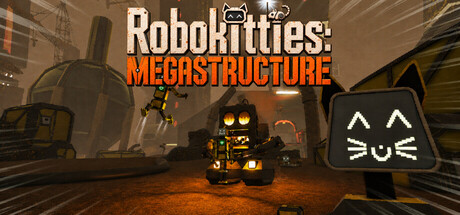 Robokitties: MEGASTRUCTURE In-game content artaudiotext | Generative AI tools were used during development to assist with selected 2D and 3D visual assets, sounds, localization, and marketing materials.
All AI-assisted content was reviewed, edited, and integrated by the developer to ensure consistency with the game's visual style and intended design. | Artem Dreadwire | - | Aug 26, 2026 | |
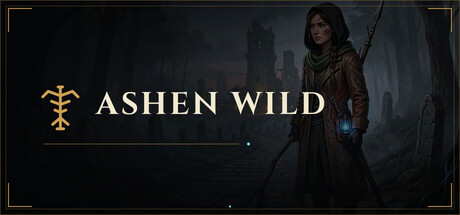 Ashen Wild In-game content artaudiocode | Ashen Wild was created almost exclusively with AI tools to generate the code and graphics, VFX, sound etc. The store page, website and other marketing materials were created using AI. | Game Genius Studio | - | Aug 26, 2026 | |
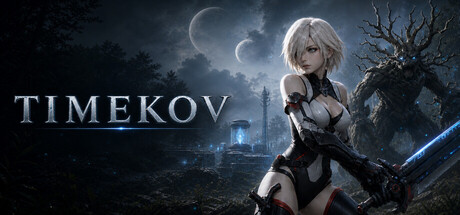 TIMEKOV Store/marketing text | Generative AI tools were used to assist with store page text localization and marketing copy drafts. All content was reviewed and edited by the developer before publication. | GIYEON | - | Aug 25, 2026 | |
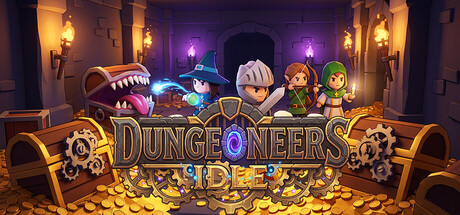 Dungeoneers Idle | As a solo developer, AI has been a big help in making the development of this game more efficient by assisting in, but not be the sole performer of: testing, performing repetitive and some programming tasks, brainstorming and discussions, translations and some design. | VindR Games | - | Aug 25, 2026 | |
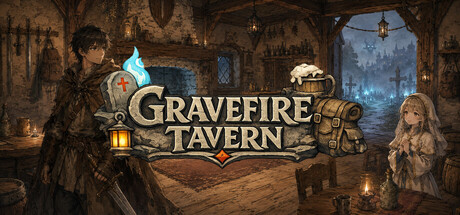 墓火酒館 In-game content artcode | This game contains pre-generated 2D artwork and source code created with ChatGPT during development. All game source code was generated with ChatGPT, then reviewed, tested, debugged, and integrated by the developer. The artwork was generated from original prompts written for Gravefire Tavern, then reviewed, selected, edited, composited, cropped, and integrated by the developer. No generative AI runs during gameplay, and no player input is sent to an AI service. | SynGameLab | - | Aug 24, 2026 | |
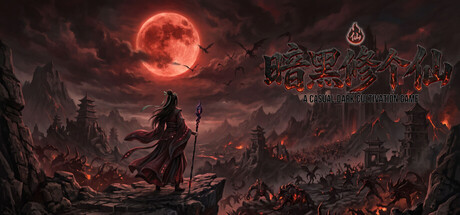 暗黑修个仙 In-game content art | Some 2D‑art assets in this game are created with the assistance of generative‑AI tools. These assets have been filtered, edited, composited and manually reviewed by the developer before being used in‑game. The game does not perform real‑time content generation based on player input during runtime, nor does it send any player input to generative‑AI services. | 亦如小草 | - | Aug 24, 2026 | |
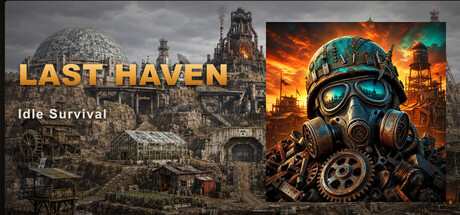 Last Haven: Idle Survival Unclear | Game Design | WishHaveFun OPC | - | Aug 23, 2026 | |
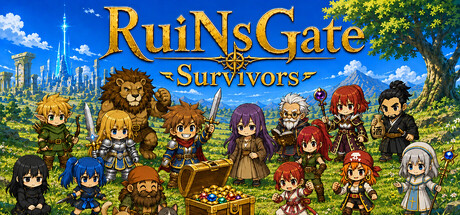 RuiNsGate Survivors In-game content arttextcode | This game was developed with the help of generative AI tools in the following areas:
Some art assets, including characters, backgrounds, UI, and effects
Store page capsule images and key art
English localization of in-game text
Portions of the source code
All generated output was reviewed, edited, and integrated by the developer, and the final content is the developer's responsibility. No content is generated by AI while the game is running. | R.N.G Works | - | Aug 23, 2026 | |
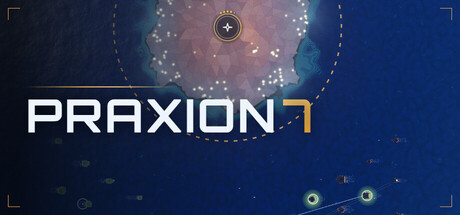 Praxion-7 Dev only code | Coding assistance is used for developing the game. Building automation test suites and creating support tools. | Virtual Dimensions | - | Aug 23, 2026 | |
 God Faction In-game content art | Generative AI tools were used to assist in creating select 2D artwork for this game illustrations for collectible cards, artwork for the card battle/arena scene, and the game's logo and store capsule art. All AI-assisted artwork was selected, edited, and finalized by the development team before inclusion. Generative AI was not used to create the 3D open-world environment, or other gameplay systems/mechanics. This is for the demo build, and some or all AI-assisted art may be replaced with original human-made artwork in the full release. | SagaDevs | - | Aug 23, 2026 | |
 元素奇兵:英雄集结令 In-game content art | "Generative AI tools were used during development to assist in creating a portion of the art, background assets, and UI icons. All AI-generated content was reviewed and manually refined by our team." | DeepDream Studio | 62 | Aug 23, 2026 | |
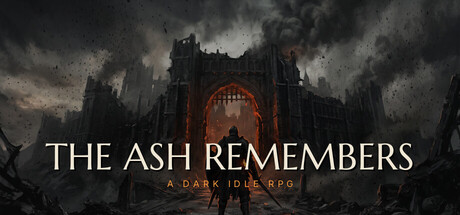 The Ash Remembers In-game content artaudiotext | Artwork, music and parts of the text were created with AI tools and individually curated, refined and hand-fitted into the game by the developer. No AI content is generated at runtime. | Veyr Works | - | Aug 22, 2026 | |
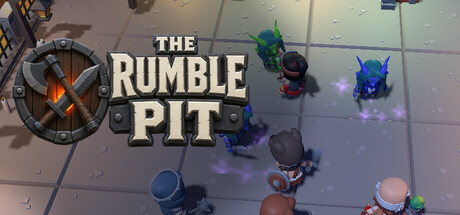 The Rumble Pit In-game content arttextaudiocode | The Rumble Pit is made by one person, and generative AI tools were part of how it was built.
Music: the tracks you hear in the menus and in the twelve dungeons were generated with a local AI music model, from a written brief for each place, then cut, looped and mixed by hand.
2D art: the interface icons, the class and specialisation emblems, the dungeon thumbnails, the illustrated boss backdrops and the logo were produced with image generation tools, then cropped, cleaned up and colour-matched by hand.
Text and code: much of the in-game text — talent names and descriptions, loot labels, boss briefings, the translation tables — and part of the source code were drafted with an AI assistant, then edited, tested and rewritten by hand.
Not AI-generated: the 3D models and animations (licensed art packs), and the sound effects (CC0 libraries).
Nothing is generated while you play. The game connects to no AI service and produces no new content at runtime — everything ships as a fixed file, checked before release. | Elliott Faucheux | - | Aug 22, 2026 | |
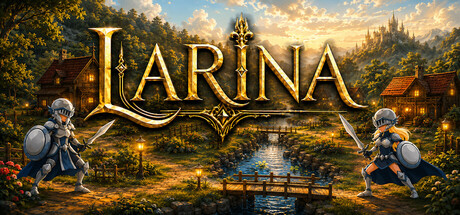 Larina In-game content audioart | Generative AI was used to create portions of music, icon art, and some textures. | Stefan Pulfer | - | Aug 22, 2026 | |
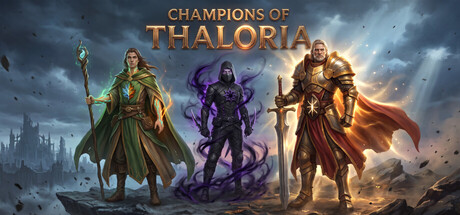 Champions Of Thaloria In-game content art | Some of the visual assets in Champions of Thaloria were created with the help
of generative AI tools during development. This includes parts of the store
page artwork and trailer, along with a portion of the in-game 2D art such as
item icons, avatar frames and class emblems.
Every AI-assisted asset was selected, edited and assembled by hand before it
went into the game, and all of it was reviewed by the developer.
The game does not generate anything while you play. No content is created at
runtime and no AI service is contacted during gameplay — everything ships
with the game. | Clive Production | - | Aug 22, 2026 | |
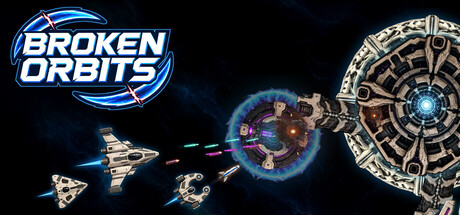 Broken Orbits Unclear artaudio | Some graphical assets and sounds. | Buder Games | - | Aug 22, 2026 | |
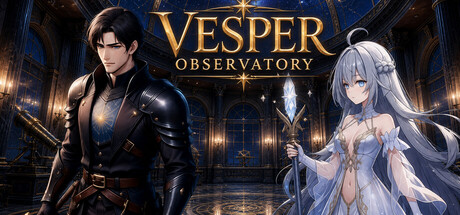 Vesper Observatory In-game content artaudio | Art, textures, and sounds use both human work and AI generation. | Vesper Stellar Games | - | Aug 22, 2026 | |
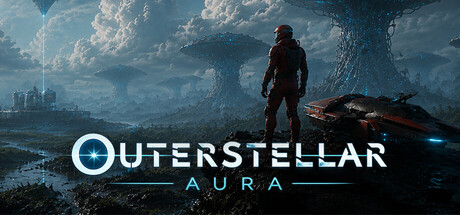 Outerstellar Aura In-game content art | Generative AI was used to create a small number of 3D models and art assets. All game code, design, and gameplay systems were created without the use of Generative AI. | Strange Horizons | - | Aug 22, 2026 | |
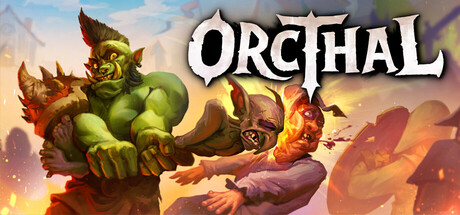 Orcthal Dev only art | Generative AI was used to prototype some UI elements. All AI generated content will be removed before game release. | RedKar Devs | - | Aug 22, 2026 | |
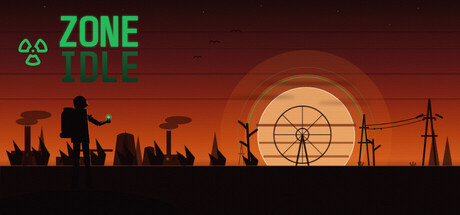 Zone Idle In-game content artcode | AI was used during development to help produce the game's code and visual art, including item icons. All AI-assisted work is reviewed, refined, and finalized by the developer. No content is generated by AI while the game is running. | Dickie | - | Aug 22, 2026 | |
 OMFG: The Fate of Mortals Store/marketing art | I used AI for generating guide image, illustration, or trailer.
These would be replaced before 1.0 release. | 铁卯帮 | - | Aug 20, 2026 | |
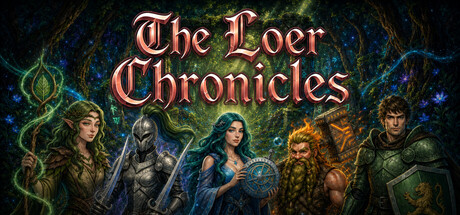 The Loer Chronicles In-game content artaudio | Some art, icons, music, sound effects, and marketing or store assets were created or assisted with generative AI tools during development, then reviewed and curated by the team. The game does not generate new AI content in real time during gameplay and does not connect to external AI services while you play. | Rainlight Studio | - | Aug 20, 2026 | |
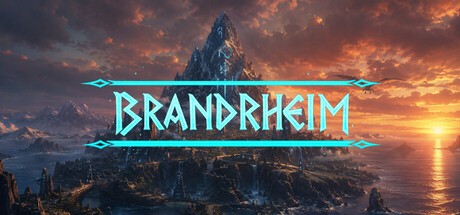 Brandrheim Store/marketing artcode | Generative AI has been used to assist in the creation of certain promotional artwork and visual assets. AI tools have also been used during development to assist with programming, documentation, and iteration. All generated content has been reviewed, integrated, and validated by the developer before being included in the final product. | Brandrheim Studios | - | Aug 20, 2026 | |
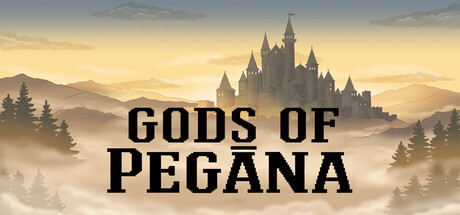 Gods of Pegana In-game content art | A small amount of public domain and commissioned art assets may have used genAI before passing to a human for modification/inclusion. | ManaScroll Games | - | Aug 20, 2026 | |
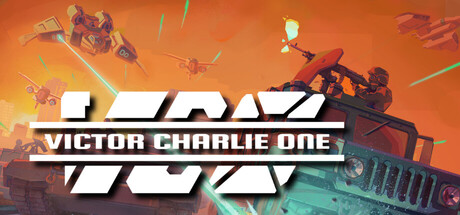 VCO: Victor Charlie One In-game content text | We are committed to the ethical use of AI. As such, limited assistance with some text, spoken dialogue, narrative, localization, and store/marketing copy may have been utilized.
It is not used to generate artwork or live gameplay content, and all final content is reviewed by the team. | Systems Heavy | - | Aug 19, 2026 | |
 Gearbound In-game content artaudio | The visual art in Gearbound is made with PixelLab, an AI pixel-art tool. Every sprite, animation, tileset, background, prop, interface element and piece of marketing art was generated with PixelLab and then directed, edited and assembled by us.
The music and sound effects are rendered by synthesis scripts that were written with AI assistance. No generative audio model was used, and nothing was sourced from a music-generation service.
Nothing is generated by AI while you play. Every asset is finished and baked into the build before it ships, and the game makes no AI calls at runtime. | Osaka Rock | - | Aug 19, 2026 | |
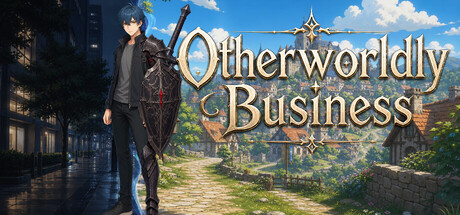 Otherworldly Business Store/marketing art | Some promotional materials for this game — including portions of the trailer and key art — were created with the assistance of generative AI tools. All such content is pre-generated, reviewed, and edited by the developer before publication. The game itself does not generate any content with AI at runtime. | Pinnah Studio | - | Aug 19, 2026 | |
 明月专属传奇 Store/marketing | Part of the assets on the store page have been optimized with AI. | 明月专属传奇 | - | Aug 19, 2026 | |
 Open Headcount: A Corporate-Hell Roguelike In-game content art | AI was used to assist with base image generation, all in-game assets were edited manually prior to implementation. | Platyware | - | Aug 19, 2026 | |
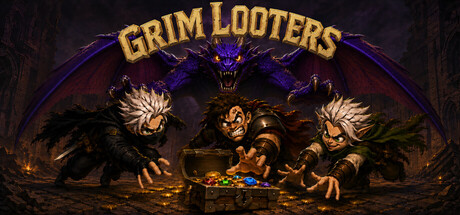 Grim Looters In-game content artaudio | The visual assets in Grim Looters — character, monster, item and card artwork, plus the store and marketing images — were created with the assistance of generative AI image tools and then curated, edited, and assembled by the developer. Some background music was AI-assisted. All AI-generated content is reviewed by the developer to ensure it is appropriate and cleared for use. No AI content is generated live during gameplay. | katapeltis | - | Aug 17, 2026 | |
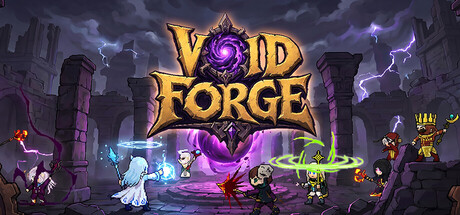 Void Forge In-game content art | This game used generative artificial intelligence to assist in creating certain content, including: concept designs for the opening comic and concept art for some UI elements. All AI-assisted content has been reviewed, edited, and remade manually. The game does not generate real-time AI content during runtime. | CombatSlayer | - | Aug 17, 2026 | |
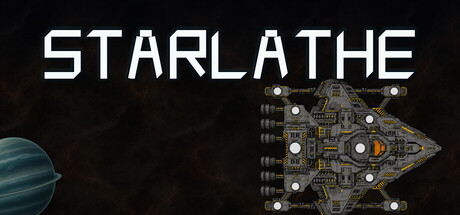 Starlathe In-game content artaudio | Some artwork (ship, station and environment sprites, icons) and sound effects were created using generative AI tools during development, then curated and hand-edited by the developer. All AI-generated content was reviewed before inclusion. | Astraeon Interactive | - | Aug 16, 2026 | |
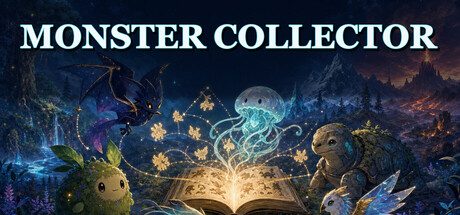 Monster Collector Store/marketing art | This game uses generative AI as an assistive tool for creating some artwork and store assets. All AI-assisted content has been reviewed, edited, and approved by the developer before inclusion. The game does not generate AI content during gameplay. | Lumora Studio | - | Aug 16, 2026 | |
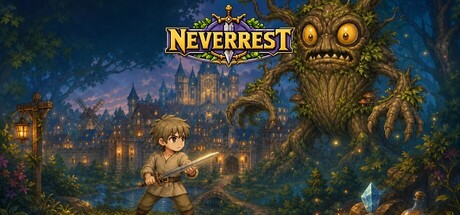 Neverrest In-game content art | Neverrest uses generative AI tools during development to assist with the creation of some pre-rendered 2D artwork and visual assets. All AI-assisted content is reviewed, edited, and integrated by the developer. The game does not generate AI content during gameplay. | Enjoyoor | - | Aug 16, 2026 | |
 One More Volley In-game content arttextaudio | Some of the game's 2D artwork - was created using generative AI tools, then manually curated and edited by the developer. Text
localization into non-English languages is AI-assisted and reviewed by
the developer. A planned voice for one character will use AI speech
generation. All game design, level design, code, gameplay systems, and
the English text are human-made. | Odyssey Orbit Studio | - | Aug 16, 2026 | |
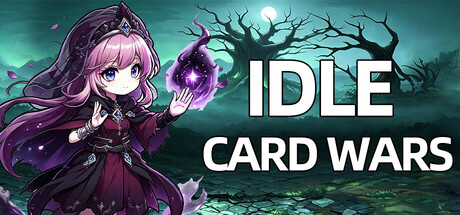 Idle Card Wars Unclear | AI-assisted | FireFly Studio | - | Aug 16, 2026 | |
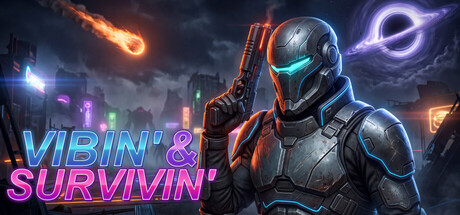 Vibin' & Survivin' In-game content artaudiocode | As a solo project, Vibin & Survivin leverages AI assistance for asset design, audio generation, and coding support. This allowed me to punch above my weight class as a single developer and focus on crafting tight, responsive action-roguelike gameplay! | GoudaGames | - | Aug 16, 2026 | |
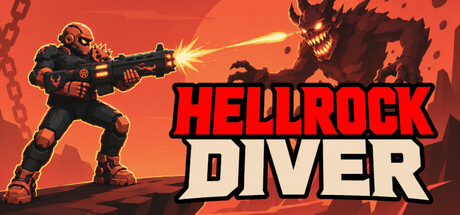 HellRock Diver In-game content art | Used to generate game logo, some in-game icons and steam store page content | HyugaHouse Games | - | Aug 16, 2026 | |
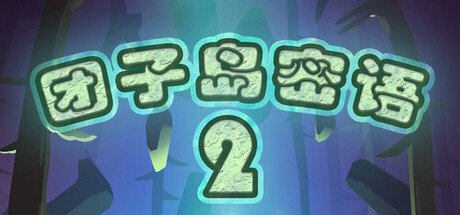 团子岛密语2 Dev only | AI tools provided reference materials in development. All finished assets are manually adjusted by our team. No live AI content generates while playing. | 团子 | - | Aug 16, 2026 | |
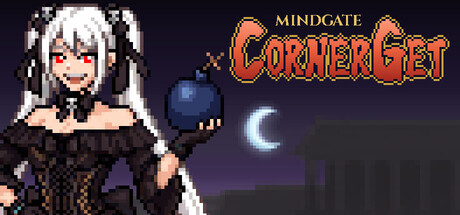 MindGate CornerGet In-game content artaudiotext | The images in this game start from generative AI output and are then redrawn pixel by pixel by the developer. This covers equipment icons, character and enemy sprites, backgrounds, and the images on this store page.
The music was created with a generative AI music service under a commercial-use license.
The text is written in Japanese and machine-translated into other languages. | inkmoon_dev | - | Aug 16, 2026 | |
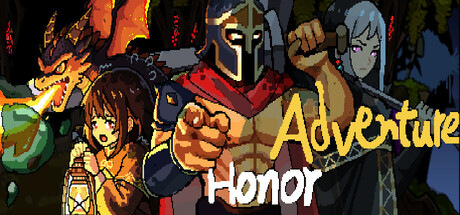 Adventure Honor In-game content artaudio | The character skill map and background scene background map use some AI, and the background music uses some AI | Laing Game | - | Aug 16, 2026 | |
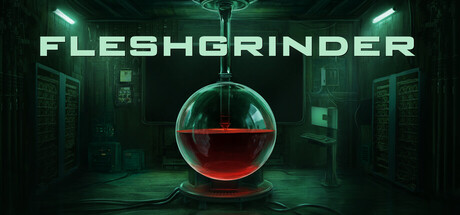 Fleshgrinder In-game content text | All artwork, character art, animation and audio in Fleshgrinder were created by human artists — the use of generative AI for art was contractually prohibited on this project. Generative AI was used to translate the game's text into its ten non-English languages, and to draft a portion of the in-game item descriptions and dialogue. No generative AI runs while you play; nothing is generated at runtime. | hainalcode | - | Aug 14, 2026 | |
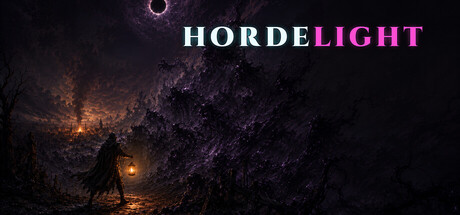 HORDELIGHT In-game content artaudio | Some visual assets were created with the assistance of generative AI tools and then curated and edited by the developer: story illustrations, character portraits, key art / capsule backgrounds, and a small number of decorative item images.
All gameplay sprites, animations, environments, music and sound effects are human-made assets used under CC0 / open licenses (credited in-game).
Voice-over lines (English and Turkish) were generated with ElevenLabs text-to-speech under a commercial license, from scripts written by the developer.
The game does not generate any content with AI at runtime. The developer has reviewed all AI-assisted content to ensure it is not illegal or infringing. | AGAMED GAMES | - | Aug 14, 2026 | |
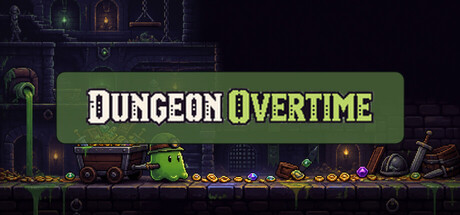 Dungeon Overtime Store/marketing art | Generative AI was used to create and refine some pre-generated visual assets, including the game logo and Steam store capsule artwork. All AI-assisted assets are reviewed, edited, and curated by the developer before inclusion. The game does not generate content during gameplay and does not connect to external AI services. | Orange Slug Studios | - | Aug 14, 2026 | |
 Escape Together: Prison Break In-game content art | AI-generated art object | Among Super-Eaters | - | Aug 14, 2026 | |
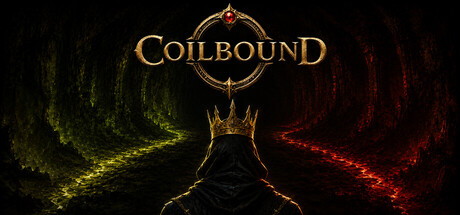 Coilbound In-game content art | Some of the visual artwork in Coilbound — including character and card illustrations, environment art, and store assets — was created with the assistance of generative AI image tools during development. All generated content was reviewed, edited, and curated by the developer. Coilbound does not use any AI-generated content in real time during gameplay. | Goblin Games | - | Aug 14, 2026 | |
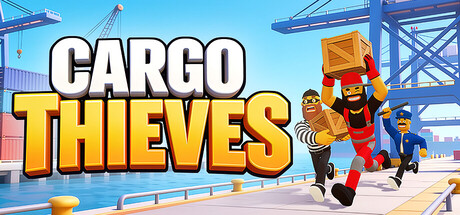 Cargo Thieves In-game content audiotextart | The music, dialogues, and artworks were partially created using AI tools. | Digital Melody | - | Aug 14, 2026 | |
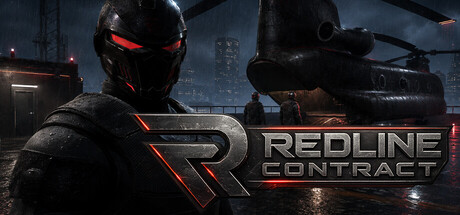 Redline Contract In-game content art | AI tools were used during development to assist with concept art, visual references, and certain promotional assets. All gameplay systems, mechanics, and core design were created and implemented by the development team.
AI was used strictly as a supportive tool and does not directly control gameplay or player experience. | Myth Studio | - | Aug 14, 2026 |


