Public Steam disclosure research25,380 disclosures tracked
Where do games disclose AI use?
Search developers’ Steam disclosures, compare classified AI use across
games, and follow recorded changes.
This index adds cross-game classifications and statistics to
statements published on individual store pages.
Groups reflect automatic analysis of public disclosures; mature records are excluded. These counts do not measure AI use across all of Steam.
Missing or unclear statements cannot establish whether a game uses AI.
Generative tools were used during development to create and refine pre-generated artwork, some 3D assets, textures, audio, cinematic sequences, and store/marketing materials, including translated store descriptions. These assets are included as fixed content. The game does not generate AI content during play and does not connect to a generative AI service.
Generative AI was used as an assistive tool to create and edit store page descriptions and marketing text. All generated content was reviewed and edited by the developer before publication. No generative AI is used during gameplay.
This game utilizes generative AI technologies in the following areas: [Pre-generated Content] Part of BGM: AI-generated audio is temporarily used as placeholder assets during development (to be progressively replaced in future updates). [Real-time Generation during Gameplay] In-Game Text: Dynamic generation of dialogues and narrative text tailored to in-game situations. Character Voice: Real-time speech synthesis for character voices based on generated text. *All real-time generation processes run entirely locally and securely on the player's machine, with no data transmitted to external servers. Furthermore, there is no feature allowing players to freely input custom text or prompts.
During the development of the game, AI tools have been used selectively and in a controlled manner to support certain creative and technical processes. Their use has always been guided, reviewed, and supervised by humans, with all final decisions remaining under the direction of the design and technical teams. AI has been used as a supporting tool, never as a replacement for human creativity, judgment, or development work
Some store-page and marketing artwork for AVALANCHE was created or edited using generative AI. The game does not generate content during gameplay and does not connect to external AI services.
・Translated text in the following languages:
English, French, German, Italian, Spanish, Chinese (Simplified), Chinese (Traditional), Korean, Russian
・Generation of title screen background images
・Generation of images for some module icons
This game used generative AI-assisted content in some pre-rendered assets, such as visual effects, UI elements, background or promotional artwork, and marketing/community materials. No live generative AI system is used during gameplay, and the game does not generate new player-facing content dynamically while the player is playing.
The final release will contain no AI-generated content. All assets are either sourced from asset packs or built using Unity's native tools.
Some visual game assets were created with the assistance of generative AI during development, including background images and artwork for the rocket and enemies. These assets were selected, adapted, and reviewed by the developer for use in the game. The game does not use generative AI to generate content during gameplay.
Generative AI tools were used during development to assist in creating some visual assets, audio, and other game content. All AI-assisted content included in the final game was reviewed and selected by the developer.
Neon Chase is solo developer game. Every environment, menu, lighting model, weapon, and enemy vehicles were built as 3D models using Blender. The game design, system mechanics, style, gameplay, bug fixing and features of the game are mine.
AI tools were used for some of the audio, this includes the sound effects, spoken dialogue and music which were edited and integrated by me but developed with the help of Suno for the music and Elevenlabs for the sound effects.
No content is generated using AI whilst running the game.
Salvage Inc. was designed, developed, and assembled by a human developer. Generative AI tools were used to assist in the creation of some game assets, including certain visual and audio elements.
Development of this game used AI assistance for writing source code, and for creating some of the in-game art assets such as objects and enemies. All AI-generated content was produced during development and reviewed by the developer; the game does not generate any content with AI at runtime.
This game contains pre-generated visual and audio assets created with generative AI tools and edited by the developer. No content is generated during gameplay.
The text in HEATSINK — its interface strings and its translations — was written with the assistance of generative AI.
Nothing is generated while you play. There are no AI-generated images or audio in this game, because there are no image or audio files at all: every shape on screen is drawn by code, and every sound is synthesised when the game launches.
Cosmo Arena uses generative AI tools during development to assist with the creation and refinement of certain visual assets, concept art, UI elements, textures, and other game content. All AI-assisted content is reviewed, edited, and integrated by the developer. Generative AI is not used to create content dynamically during gameplay.
SignalLost uses generative AI only during development to create and refine selected 2D artwork, promotional images, and trailer assets. No AI content is generated during gameplay, and the game does not connect to external AI services. All shipped assets are reviewed, edited, and integrated by the developer before release.
Below The Loop uses generative AI-assisted tools during development to create some visual assets and marketing artwork. These assets are pre-generated and reviewed and edited as part of the development process. The game does not use AI to generate content in real time during gameplay.
CENIZA is created using AI tools under human creative direction. Pre-generated content includes environmental textures, interface artwork, game text and translations, promotional art, and assets produced through AI-assisted modeling, coding and audio workflows. The base game does not generate content with generative AI while you play and does not connect to an AI service. Mod authors may optionally use external AI tools; manual editing and conventional tools are equally welcome.
AI was used to create write parts of the game code and scripting, to refine mech textures, and for voiceover and audio content - to be used as placeholders while in playtests.
Generative AI was used as an assistive tool during development for selected visual assets and promotional materials. All AI-assisted content was reviewed and edited by the developer before use. No generative AI is used during gameplay, and the game does not connect to any external AI services.
Designed and directed by one person. Every ship, station and planet is rendered in code, with no AI images. The soundtrack was made with Suno, an AI music tool, directed by the developer, and ships as fixed audio files. The story comes from the developer. AI helped turn it into text, tidy it up and translate the store page, like a very overqualified spell check. Nothing is generated by AI while you play.
As a small development team of just two people, we used generative AI tools in limited cases to assist with the production of certain visual assets and help manage the scope of development.
All AI-assisted assets were carefully reviewed, edited, refined, and finalized by us to fit the game's established art style and direction. Generative AI was used as a supporting tool during development, rather than to define the creative direction of the game.
We are using AI to help write, structure, and/or review written code by the team. Some of the artwork in this game was produced with the help of generative AI tools.
This game uses generative AI in the creation of some 3D objects and some background music. These contents were generated and edited during development, and no content is generated by generative AI in real time during gameplay.
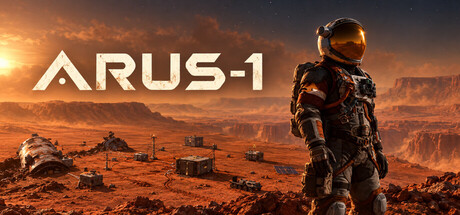
Generative AI was used as a supporting tool during the development of ARUS-1. Some 3D models, textures, and in-game and store artwork were created with these tools, then revised and integrated. No content is generated by AI during gameplay.
Generative AI tools were used purely in the background to assist and speed up the production workflow as a solo developer, serving only as an aid during development.
The game itself including all gameplay, story, and core content is 100 percent created by human developers, with no AI generated content produced live.
This game uses generative AI tools to assist with the creation of some visual assets, promotional images, sound effects, and localization drafts. All AI-assisted content is reviewed, edited, and integrated by the developer before release. The game does not use generative AI to create real-time user-facing content during gameplay.
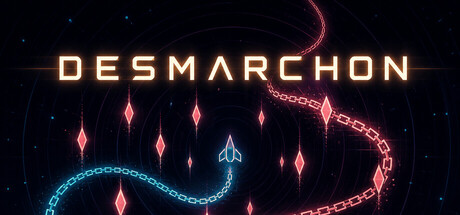
Desmarchon currently includes pre-generated AI images for the store page and achievement images, as well as AI-generated promotional artwork and icons, and some text. Everything has been reviewed by a human.
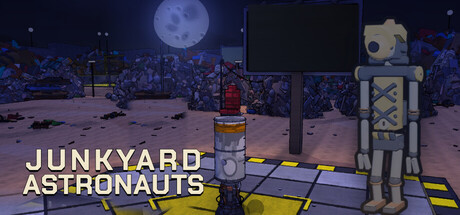
Junkyard Astronauts was developed with substantial help from an AI coding assistant (Claude), directed and reviewed by the developer. Specifically: the game's code was largely written with AI assistance; the 3D models, textures and yard layouts are produced by procedural generator scripts written with AI assistance; the sound effects are built from licensed, human-recorded sound libraries (Sonniss GDC bundles, Kenney) assembled and mixed by scripted tools written with AI assistance; the soundtrack is composed and rendered by a music engine written with AI assistance; parts of the store text and the achievement names were drafted with AI assistance. Everything was reviewed, edited and play-tested by the developer before shipping. No AI service is used during gameplay, and no content is generated at runtime. No AI-generated content imitates a real person or a third party's protected work.
Generative AI tools were used during development to help create some visual assets, including environment textures, branding and promotional artwork, as well as store copy and localization. These materials are selected, reviewed and integrated by the developer. Gameplay screenshots are captured from the game. No generative AI content is created during play, and the game does not connect to external AI services.
AI generation tools were used to construct raw background components and draft initial concept layers. All final assets, character sprites, and visual interfaces were manually fixed, edited, and assembled by human artists.
DeepL was used for language translation of the subtitles and also for the text in the Steam store. Some of the voice acting was generated using a paid ElevenLabs subscription.
Generative AI is used during development to create artwork, animation, music, sound effects and some text, including store artwork and descriptions. Content is selected, edited and integrated before release. SkyStray does not generate AI content during gameplay or connect to external AI services while you play.
This game uses generative AI tools for some image assets and translations. All AI-generated materials are reviewed, adjusted, and edited by the development team before being used in the game.
Generative tools were used during development to create and refine pre-generated artwork, some 3D assets, textures, audio, cinematic sequences, and store/marketing materials, including translated store descriptions. These assets are included as fixed content. The game does not generate AI content during play and does not connect to a generative AI service.
Generative AI was used as an assistive tool to create and edit store page descriptions and marketing text. All generated content was reviewed and edited by the developer before publication. No generative AI is used during gameplay.
This game utilizes generative AI technologies in the following areas: [Pre-generated Content] Part of BGM: AI-generated audio is temporarily used as placeholder assets during development (to be progressively replaced in future updates). [Real-time Generation during Gameplay] In-Game Text: Dynamic generation of dialogues and narrative text tailored to in-game situations. Character Voice: Real-time speech synthesis for character voices based on generated text. *All real-time generation processes run entirely locally and securely on the player's machine, with no data transmitted to external servers. Furthermore, there is no feature allowing players to freely input custom text or prompts.
During the development of the game, AI tools have been used selectively and in a controlled manner to support certain creative and technical processes. Their use has always been guided, reviewed, and supervised by humans, with all final decisions remaining under the direction of the design and technical teams. AI has been used as a supporting tool, never as a replacement for human creativity, judgment, or development work
Some store-page and marketing artwork for AVALANCHE was created or edited using generative AI. The game does not generate content during gameplay and does not connect to external AI services.
・Translated text in the following languages:
English, French, German, Italian, Spanish, Chinese (Simplified), Chinese (Traditional), Korean, Russian
・Generation of title screen background images
・Generation of images for some module icons
This game used generative AI-assisted content in some pre-rendered assets, such as visual effects, UI elements, background or promotional artwork, and marketing/community materials. No live generative AI system is used during gameplay, and the game does not generate new player-facing content dynamically while the player is playing.
The final release will contain no AI-generated content. All assets are either sourced from asset packs or built using Unity's native tools.
Some visual game assets were created with the assistance of generative AI during development, including background images and artwork for the rocket and enemies. These assets were selected, adapted, and reviewed by the developer for use in the game. The game does not use generative AI to generate content during gameplay.
Generative AI tools were used during development to assist in creating some visual assets, audio, and other game content. All AI-assisted content included in the final game was reviewed and selected by the developer.
Neon Chase is solo developer game. Every environment, menu, lighting model, weapon, and enemy vehicles were built as 3D models using Blender. The game design, system mechanics, style, gameplay, bug fixing and features of the game are mine.
AI tools were used for some of the audio, this includes the sound effects, spoken dialogue and music which were edited and integrated by me but developed with the help of Suno for the music and Elevenlabs for the sound effects.
No content is generated using AI whilst running the game.
Salvage Inc. was designed, developed, and assembled by a human developer. Generative AI tools were used to assist in the creation of some game assets, including certain visual and audio elements.
Development of this game used AI assistance for writing source code, and for creating some of the in-game art assets such as objects and enemies. All AI-generated content was produced during development and reviewed by the developer; the game does not generate any content with AI at runtime.
This game contains pre-generated visual and audio assets created with generative AI tools and edited by the developer. No content is generated during gameplay.
The text in HEATSINK — its interface strings and its translations — was written with the assistance of generative AI.
Nothing is generated while you play. There are no AI-generated images or audio in this game, because there are no image or audio files at all: every shape on screen is drawn by code, and every sound is synthesised when the game launches.
Cosmo Arena uses generative AI tools during development to assist with the creation and refinement of certain visual assets, concept art, UI elements, textures, and other game content. All AI-assisted content is reviewed, edited, and integrated by the developer. Generative AI is not used to create content dynamically during gameplay.
SignalLost uses generative AI only during development to create and refine selected 2D artwork, promotional images, and trailer assets. No AI content is generated during gameplay, and the game does not connect to external AI services. All shipped assets are reviewed, edited, and integrated by the developer before release.
Below The Loop uses generative AI-assisted tools during development to create some visual assets and marketing artwork. These assets are pre-generated and reviewed and edited as part of the development process. The game does not use AI to generate content in real time during gameplay.
CENIZA is created using AI tools under human creative direction. Pre-generated content includes environmental textures, interface artwork, game text and translations, promotional art, and assets produced through AI-assisted modeling, coding and audio workflows. The base game does not generate content with generative AI while you play and does not connect to an AI service. Mod authors may optionally use external AI tools; manual editing and conventional tools are equally welcome.
AI was used to create write parts of the game code and scripting, to refine mech textures, and for voiceover and audio content - to be used as placeholders while in playtests.
Generative AI was used as an assistive tool during development for selected visual assets and promotional materials. All AI-assisted content was reviewed and edited by the developer before use. No generative AI is used during gameplay, and the game does not connect to any external AI services.
Designed and directed by one person. Every ship, station and planet is rendered in code, with no AI images. The soundtrack was made with Suno, an AI music tool, directed by the developer, and ships as fixed audio files. The story comes from the developer. AI helped turn it into text, tidy it up and translate the store page, like a very overqualified spell check. Nothing is generated by AI while you play.
As a small development team of just two people, we used generative AI tools in limited cases to assist with the production of certain visual assets and help manage the scope of development.
All AI-assisted assets were carefully reviewed, edited, refined, and finalized by us to fit the game's established art style and direction. Generative AI was used as a supporting tool during development, rather than to define the creative direction of the game.
We are using AI to help write, structure, and/or review written code by the team. Some of the artwork in this game was produced with the help of generative AI tools.
This game uses generative AI in the creation of some 3D objects and some background music. These contents were generated and edited during development, and no content is generated by generative AI in real time during gameplay.
Generative AI was used as a supporting tool during the development of ARUS-1. Some 3D models, textures, and in-game and store artwork were created with these tools, then revised and integrated. No content is generated by AI during gameplay.
Generative AI tools were used purely in the background to assist and speed up the production workflow as a solo developer, serving only as an aid during development.
The game itself including all gameplay, story, and core content is 100 percent created by human developers, with no AI generated content produced live.
This game uses generative AI tools to assist with the creation of some visual assets, promotional images, sound effects, and localization drafts. All AI-assisted content is reviewed, edited, and integrated by the developer before release. The game does not use generative AI to create real-time user-facing content during gameplay.
Desmarchon currently includes pre-generated AI images for the store page and achievement images, as well as AI-generated promotional artwork and icons, and some text. Everything has been reviewed by a human.
Junkyard Astronauts was developed with substantial help from an AI coding assistant (Claude), directed and reviewed by the developer. Specifically: the game's code was largely written with AI assistance; the 3D models, textures and yard layouts are produced by procedural generator scripts written with AI assistance; the sound effects are built from licensed, human-recorded sound libraries (Sonniss GDC bundles, Kenney) assembled and mixed by scripted tools written with AI assistance; the soundtrack is composed and rendered by a music engine written with AI assistance; parts of the store text and the achievement names were drafted with AI assistance. Everything was reviewed, edited and play-tested by the developer before shipping. No AI service is used during gameplay, and no content is generated at runtime. No AI-generated content imitates a real person or a third party's protected work.
Generative AI tools were used during development to help create some visual assets, including environment textures, branding and promotional artwork, as well as store copy and localization. These materials are selected, reviewed and integrated by the developer. Gameplay screenshots are captured from the game. No generative AI content is created during play, and the game does not connect to external AI services.
AI generation tools were used to construct raw background components and draft initial concept layers. All final assets, character sprites, and visual interfaces were manually fixed, edited, and assembled by human artists.
DeepL was used for language translation of the subtitles and also for the text in the Steam store. Some of the voice acting was generated using a paid ElevenLabs subscription.
Generative AI is used during development to create artwork, animation, music, sound effects and some text, including store artwork and descriptions. Content is selected, edited and integrated before release. SkyStray does not generate AI content during gameplay or connect to external AI services while you play.
This game uses generative AI tools for some image assets and translations. All AI-generated materials are reviewed, adjusted, and edited by the development team before being used in the game.