Public Steam disclosure research25,380 disclosures tracked
Where do games disclose AI use?
Search developers’ Steam disclosures, compare classified AI use across
games, and follow recorded changes.
This index adds cross-game classifications and statistics to
statements published on individual store pages.
Groups reflect automatic analysis of public disclosures; mature records are excluded. These counts do not measure AI use across all of Steam.
Missing or unclear statements cannot establish whether a game uses AI.
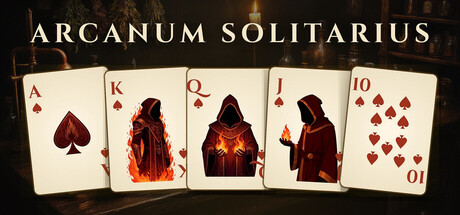
All the art in Arcanum Solitarius, from the playing cards to the Arcana and the workshop backgrounds, was made with AI image generation using a model I trained myself. I was after one specific look: a medieval alchemist's workshop by candlelight, in aged parchment and dark walnut with verdigris and old gold. Most of the music was made the same way. I used AI to draft some of the in-game writing, then rewrote it into my own words. I picked and edited every piece before it went into the game, and the images on this page come from those same assets. Nothing is generated while you play.
Some visual assets, marketing materials, and/or text drafts may have been created or assisted with generative AI tools. All AI-assisted content is reviewed and edited by the developer before being included in the game or store page.
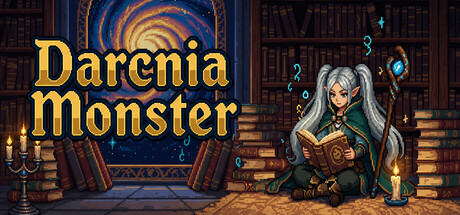
Darcnia Monster is made by a single independent developer. Some of the game's visual assets — background illustrations, cinematic scenes, and character and card artwork — were created with the help of generative AI image tools, and the in-game character voices were produced using AI voice synthesis. Every AI-assisted asset was hand-selected, edited, and integrated by the developer to match the game's art direction and story. No AI runs while you play: nothing is generated in real time, and no player data is ever sent to any AI service.
Programming & Scripting: Generative AI tools were used to assist in writing, optimizing, and debugging source code during development.
Localization: AI-assisted tools were used to support the translation process for certain languages, which were then reviewed and polished by the development team.
NeoRunners uses generative AI tools as part of its development process. AI-assisted content includes portions of the game's visual artwork and UI assets, promotional/store artwork, and character voice audio. These assets are generated and/or iterated on during development and are reviewed, selected, edited, and integrated by the development team before being included in the game. The game does not generate this content dynamically during gameplay.
During the development of this game, most of the code was generated with AI assistance; however, I personally carried out extensive debugging, modifications, and integration to ensure its stability. All creative content in the game — including the art, music, design, and writing — was handcrafted by me independently. Some sound effects are sourced from publicly available resources on free-to-use commercial websites, while others were made by me personally.
Generative AI tools were used during development to create portions of the game’s artwork,sound and localization. Each AI-assisted asset was reviewed, edited, palette-matched, and curated by the developer.
I used Ai to help convert in-game artwork assets into the icons for steam and desktop icons. All artwork was done in aesprite, based off of drawings done by my young brother.
I also used Ai to upscale assets for the steam page banners.
We've harnessed the power of Generative AI technology to create several of our game's unique theme background artworks, enhancing your gaming experience with visually stunning designs.
The card illustrations, background art and background music in this game were created with generative AI tools during development. All of it is produced ahead of time, reviewed and selected by the developer, and shipped as fixed asset files. The game does not generate any content at runtime and does not connect to any AI service while you play.
Some store page artwork (capsule images) was created with the assistance of generative AI tools and then edited and reviewed by the developer. Some 2D art (card artwork, backgrounds, UI) and in-game text (card descriptions, flavor text) were created with the help of generative AI tools.
Generative AI tools were used during development to assist with some pre-generated visual assets and store marketing images. These assets are fixed in advance and are not generated during gameplay. The released game does not call an external generative AI service and does not generate text, images, audio, code, or other content at runtime.
Of course, we used artificial intelligence to create some of the illustrations and interface elements, translate texts into various languages, and make the programmers’ work easier. Without AI, it would have been impossible to bring our project to life with the quality we envisioned and within a realistic timeframe. We’d like to thank the developers and companies behind artificial intelligence for the incredible tools that helped us realize our dream and create this game.
This game uses generative AI tools to assist in the creation of select visual assets and localization.
Card illustrations and art assets: AI-generated concepts serve as an early creative foundation, developed under the direction of veteran concept artist Ni Li (ArtStation portfolio available, 10+ years of artistic experience).
Localization: AI-assisted translation is used for 30+ languages.
Generated code is applied to:
Create some shaders (like smoke and vertex snapping)
Procedurally draw billboard objects like pins and balls.
Procedurally produce sfx like pin knock sounds.
Some Store art is temporary generative concept art.
In-game Graffiti is hand drawn and not a product of generative AI.
Breathtoll includes some AI-generated content, all of it created during development. Nothing is generated live while you play.
Cinematic cutscenes: the video imagery and animation are AI-generated.
Creatures: the 3D creature models began as AI-generated base meshes and were hand-refined through multiple Blender passes (cleanup, retopology, and texturing) before use in the game.
Store and marketing art: some capsule and store images are composed from frames of the AI-generated cutscenes.
All other content is human-made, including the game code, systems, design, all writing (scripts, narration, and story), and the hand-authored card art. We hold the rights to the AI-generated content under the generating tools' commercial licenses.
This disclosure reflects the current build. We are in the process of bringing on an artist for human-made renderings, and some of the AI-generated content above will be replaced with human-created work for the full launch. We will update this disclosure as that happens.
Some card illustrations currently use AI-generated artwork. Following the game’s full release, these illustrations will gradually be replaced with artwork created by professional artists.
The capsule artwork, logo, some card illustrations, and soundtrack were created with the assistance of generative AI tools. All other in-game content — including UI, effects, and text — is hand-crafted without AI generation. No AI content is generated during gameplay.
Pre-generated generative AI was used to assist in creating some 2D illustrations and promotional assets included in the game and on its Steam store page. All AI-assisted outputs were reviewed, selected, and edited by the developer before use. No generative AI content is created during gameplay, the game does not connect to external AI services, and players cannot use AI to generate content.
Some of the art and audio assets in this game were created with the assistance of generative AI tools. Specifically, certain 3D models, UI icons, and background music tracks were generated using AI and then reviewed, edited, and integrated by the developer. No AI-generated content is created live during gameplay.
All 2D artwork (hwatu card illustrations, character portraits, backgrounds) and music tracks were created using generative AI tools, then curated, edited, and assembled by the developer. All AI content is pre-rendered during development — nothing is generated live at runtime. Localization was machine-assisted and human-reviewed. Store page assets were produced the same way.
During the development of this game, we utilized generative AI tools to assist in the following areas:
Code Development: Portions of game logic and system code were generated with AI assistance. All AI-generated code has been manually reviewed, adjusted, and integrated into the final product to ensure stability and performance.
Multilingual Text Translation (English): The English localization—including UI, dialogues, and prompts—was initially drafted using AI translation. These drafts were then proofread and polished by professional translators to ensure natural language flow and cultural appropriateness.
All AI-generated content has undergone rigorous human review and testing to meet our quality standards and deliver a great player experience. If you have any questions, please feel free to contact the developers.
Portions of the game’s art assets, including environments, title artwork and several icons, were created and revised with AI tools. All background music in the game, including main menu music and combat soundtracks, is AI-generated.
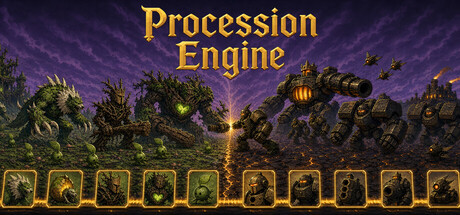
Procession Engine is a hand-designed game that uses AI tools to speed up development. Every card, faction, and system was designed, balanced, and playtested by its developer. Generative AI tools were used under human direction as part of the production pipeline: 2D artwork (card illustrations and icons) and 3D model bases were generated to the developer's specifications and then reviewed, curated, and integrated by hand. Sound effects were produced with AI audio tools and individually selected and mixed. Portions of the game code were written with AI assistance and reviewed by a human. No AI content is generated at runtime.
Generative AI tools were used during development to assist with the creation and iteration of some 2D visual assets, UI elements, concept artwork, and selected audio assets. All AI-assisted content was reviewed, edited, and integrated by the developer. The game does not generate AI content during gameplay.
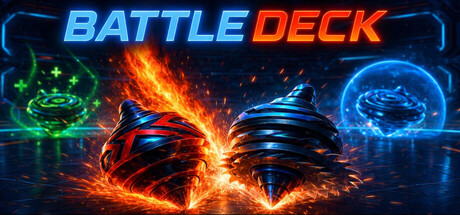
BattleDeck uses AI tools in the following areas:
Artwork, audio and as a development assistant during coding. All AI generated content has been reviewed and refined by the developer.
Generative AI was used to create some base assets, which were subsequently heavily edited by hand. All final assets included in the game have undergone substantial manual editing.
Some in-game text and code were written with AI assistance during development. All content was reviewed, edited and approved by the developer before shipping. The game does not generate any content using AI at runtime and does not connect to any AI service.
Some of the game's 2D artwork (the slot machine cabinet and its symbols) was created with the help of generative AI image tools, then reviewed, corrected and integrated by hand. Part of the soundtrack was created with generative AI music tools. All game design, gameplay code and text were authored by the developer, who also used AI coding assistants during development. Nothing is AI-generated at runtime: the game contains no live AI content.
During the development of this game, pre-generated AI tools were utilized to assist with text translations, programming scripts and optimization, and the creation of 2D artwork assets. All AI-generated content was directly reviewed, refined, and applied to the game by the developer.
Generative AI tools were used in parts of this game's development, always under human creative direction.
Art: The game's visual design is led by a classically trained 2D artist acting as art director. The UI style, overall color palette, character art, and environment style are all conceived and directed by a human, starting from hand-drawn sketches and detailed art direction. Generative AI is used only as an execution tool carrying out that direction—the distinctive style and texture of the game come from human artistic judgment, and every asset is directed, selected, and refined by the artist.
Music: The main melodies are composed by us by ear. Generative AI is then directed—with specific guidance on mood, instrumentation, and arrangement—to help realize the finished tracks.
Code: The game's code was generated using AI coding tools.
All content is reviewed and integrated by the developers before inclusion. The game contains no content generated live by AI during gameplay.
The key art on this store page, on the splash screen and on the menu cards was created using generative AI tools and then edited by hand. Nothing inside the game itself is AI-generated. Every visual in play is procedural — drawn by code at runtime — and all audio is ynthesised in real time. The build ships with no textures, no meshes, no sprites and no audio files.
This game was made with the help of generative AI tools:
• 2D art: Some of the game's 2D artwork (backgrounds, UI skins, card and joker illustrations) was created using generative AI, then selected, edited and integrated into the game by hand.
• Commentary: In-match commentary lines were produced with AI text-to-speech. All other sound effects are synthesized procedurally by the game's own code, with no AI involved.
No AI model runs while you play. The game is fully offline and never connects to any server; all of the content above is pre-generated, fixed content created during development. No player data is ever sent to any AI system.
Generative AI tools were used during development to assist with concept artwork, selected in-game visual assets, and portions of written content and code. All AI-assisted material was reviewed, curated, edited, and integrated by the developer. The game does not generate AI content during gameplay.
Generative AI was used to assist in creating selected promotional capsule and library artwork for this Steam store page. These assets were reviewed and selected by the developer. No generative AI features are used during gameplay, and no content is generated at runtime.
Generative AI tools were used during development to assist with portions of the game’s code, gameplay data, English and Korean text, visual assets—including card, character, monster, UI, and environment artwork—and the creation of music, ambience, and sound effects.
All AI-assisted material was reviewed and selected by the developer, then edited or processed where appropriate, tested, and integrated into the game. The game does not use generative AI at runtime, and no player input or personal data is sent to generative AI services.
Generative AI tools were used during development to create all visual artwork, sound effects, and music in Matchinko, including artwork used in store and marketing materials. AI tools also assisted with code, debugging, and drafts of some written content. All generated material was reviewed, selected, edited, tested, and integrated by the developer before inclusion. The game does not generate content using AI at runtime, connect to external AI services during play, or send player data to AI systems.
Some in-game artwork—including characters, monsters, weapons, backgrounds, card illustrations, and UI assets—as well as some store page images, was created using pre-generated AI tools. All generated assets were selected, edited, adjusted, and reviewed by the developer before being included in the game. The game does not generate AI content during gameplay.
Generative AI was used to assist with artwork concept drafts, music ideation, localization, and code-writing during development. All final content was reviewed and curated by the developer.
This game contains pre-generated visual, audio, and text assets created with generative AI and selected, directed, edited, and integrated by the developer. It does not use live-generated AI content during gameplay.
Generative AI was used to assist in creating some pre-generated art assets, including portions of card artwork, UI decorations, and store marketing imagery. All AI-assisted assets are reviewed, edited, and integrated by the developer before inclusion. The game does not use generative AI to generate content while running.
Some artwork , sound effects, and music were created using generative AI tools. All content was pre-generated during development and reviewed/edited by the developer. The game does not generate content at runtime.
Some card illustrations were created with the assistance of generative AI during development, then selected, edited, and integrated by the developer. No AI-generated content is created during gameplay.
Generative AI tools were used during development to assist with portions of the game’s code, including implementation, debugging, refactoring, and testing. The resulting code was reviewed, edited, integrated, and tested before inclusion in the shipped build. The game does not contain a generative AI model, does not connect to a generative AI service, does not accept player prompts, and does not generate code or other AI content while running.
All the art in Arcanum Solitarius, from the playing cards to the Arcana and the workshop backgrounds, was made with AI image generation using a model I trained myself. I was after one specific look: a medieval alchemist's workshop by candlelight, in aged parchment and dark walnut with verdigris and old gold. Most of the music was made the same way. I used AI to draft some of the in-game writing, then rewrote it into my own words. I picked and edited every piece before it went into the game, and the images on this page come from those same assets. Nothing is generated while you play.
Some visual assets, marketing materials, and/or text drafts may have been created or assisted with generative AI tools. All AI-assisted content is reviewed and edited by the developer before being included in the game or store page.
Darcnia Monster is made by a single independent developer. Some of the game's visual assets — background illustrations, cinematic scenes, and character and card artwork — were created with the help of generative AI image tools, and the in-game character voices were produced using AI voice synthesis. Every AI-assisted asset was hand-selected, edited, and integrated by the developer to match the game's art direction and story. No AI runs while you play: nothing is generated in real time, and no player data is ever sent to any AI service.
Programming & Scripting: Generative AI tools were used to assist in writing, optimizing, and debugging source code during development.
Localization: AI-assisted tools were used to support the translation process for certain languages, which were then reviewed and polished by the development team.
NeoRunners uses generative AI tools as part of its development process. AI-assisted content includes portions of the game's visual artwork and UI assets, promotional/store artwork, and character voice audio. These assets are generated and/or iterated on during development and are reviewed, selected, edited, and integrated by the development team before being included in the game. The game does not generate this content dynamically during gameplay.
During the development of this game, most of the code was generated with AI assistance; however, I personally carried out extensive debugging, modifications, and integration to ensure its stability. All creative content in the game — including the art, music, design, and writing — was handcrafted by me independently. Some sound effects are sourced from publicly available resources on free-to-use commercial websites, while others were made by me personally.
Generative AI tools were used during development to create portions of the game’s artwork,sound and localization. Each AI-assisted asset was reviewed, edited, palette-matched, and curated by the developer.
I used Ai to help convert in-game artwork assets into the icons for steam and desktop icons. All artwork was done in aesprite, based off of drawings done by my young brother.
I also used Ai to upscale assets for the steam page banners.
We've harnessed the power of Generative AI technology to create several of our game's unique theme background artworks, enhancing your gaming experience with visually stunning designs.
The card illustrations, background art and background music in this game were created with generative AI tools during development. All of it is produced ahead of time, reviewed and selected by the developer, and shipped as fixed asset files. The game does not generate any content at runtime and does not connect to any AI service while you play.
Some store page artwork (capsule images) was created with the assistance of generative AI tools and then edited and reviewed by the developer. Some 2D art (card artwork, backgrounds, UI) and in-game text (card descriptions, flavor text) were created with the help of generative AI tools.
Generative AI tools were used during development to assist with some pre-generated visual assets and store marketing images. These assets are fixed in advance and are not generated during gameplay. The released game does not call an external generative AI service and does not generate text, images, audio, code, or other content at runtime.
Of course, we used artificial intelligence to create some of the illustrations and interface elements, translate texts into various languages, and make the programmers’ work easier. Without AI, it would have been impossible to bring our project to life with the quality we envisioned and within a realistic timeframe. We’d like to thank the developers and companies behind artificial intelligence for the incredible tools that helped us realize our dream and create this game.
This game uses generative AI tools to assist in the creation of select visual assets and localization.
Card illustrations and art assets: AI-generated concepts serve as an early creative foundation, developed under the direction of veteran concept artist Ni Li (ArtStation portfolio available, 10+ years of artistic experience).
Localization: AI-assisted translation is used for 30+ languages.
Generated code is applied to:
Create some shaders (like smoke and vertex snapping)
Procedurally draw billboard objects like pins and balls.
Procedurally produce sfx like pin knock sounds.
Some Store art is temporary generative concept art.
In-game Graffiti is hand drawn and not a product of generative AI.
Breathtoll includes some AI-generated content, all of it created during development. Nothing is generated live while you play.
Cinematic cutscenes: the video imagery and animation are AI-generated.
Creatures: the 3D creature models began as AI-generated base meshes and were hand-refined through multiple Blender passes (cleanup, retopology, and texturing) before use in the game.
Store and marketing art: some capsule and store images are composed from frames of the AI-generated cutscenes.
All other content is human-made, including the game code, systems, design, all writing (scripts, narration, and story), and the hand-authored card art. We hold the rights to the AI-generated content under the generating tools' commercial licenses.
This disclosure reflects the current build. We are in the process of bringing on an artist for human-made renderings, and some of the AI-generated content above will be replaced with human-created work for the full launch. We will update this disclosure as that happens.
Some card illustrations currently use AI-generated artwork. Following the game’s full release, these illustrations will gradually be replaced with artwork created by professional artists.
The capsule artwork, logo, some card illustrations, and soundtrack were created with the assistance of generative AI tools. All other in-game content — including UI, effects, and text — is hand-crafted without AI generation. No AI content is generated during gameplay.
Pre-generated generative AI was used to assist in creating some 2D illustrations and promotional assets included in the game and on its Steam store page. All AI-assisted outputs were reviewed, selected, and edited by the developer before use. No generative AI content is created during gameplay, the game does not connect to external AI services, and players cannot use AI to generate content.
Some of the art and audio assets in this game were created with the assistance of generative AI tools. Specifically, certain 3D models, UI icons, and background music tracks were generated using AI and then reviewed, edited, and integrated by the developer. No AI-generated content is created live during gameplay.
All 2D artwork (hwatu card illustrations, character portraits, backgrounds) and music tracks were created using generative AI tools, then curated, edited, and assembled by the developer. All AI content is pre-rendered during development — nothing is generated live at runtime. Localization was machine-assisted and human-reviewed. Store page assets were produced the same way.
During the development of this game, we utilized generative AI tools to assist in the following areas:
Code Development: Portions of game logic and system code were generated with AI assistance. All AI-generated code has been manually reviewed, adjusted, and integrated into the final product to ensure stability and performance.
Multilingual Text Translation (English): The English localization—including UI, dialogues, and prompts—was initially drafted using AI translation. These drafts were then proofread and polished by professional translators to ensure natural language flow and cultural appropriateness.
All AI-generated content has undergone rigorous human review and testing to meet our quality standards and deliver a great player experience. If you have any questions, please feel free to contact the developers.
Portions of the game’s art assets, including environments, title artwork and several icons, were created and revised with AI tools. All background music in the game, including main menu music and combat soundtracks, is AI-generated.
Procession Engine is a hand-designed game that uses AI tools to speed up development. Every card, faction, and system was designed, balanced, and playtested by its developer. Generative AI tools were used under human direction as part of the production pipeline: 2D artwork (card illustrations and icons) and 3D model bases were generated to the developer's specifications and then reviewed, curated, and integrated by hand. Sound effects were produced with AI audio tools and individually selected and mixed. Portions of the game code were written with AI assistance and reviewed by a human. No AI content is generated at runtime.
Generative AI tools were used during development to assist with the creation and iteration of some 2D visual assets, UI elements, concept artwork, and selected audio assets. All AI-assisted content was reviewed, edited, and integrated by the developer. The game does not generate AI content during gameplay.
BattleDeck uses AI tools in the following areas:
Artwork, audio and as a development assistant during coding. All AI generated content has been reviewed and refined by the developer.
Generative AI was used to create some base assets, which were subsequently heavily edited by hand. All final assets included in the game have undergone substantial manual editing.
Some in-game text and code were written with AI assistance during development. All content was reviewed, edited and approved by the developer before shipping. The game does not generate any content using AI at runtime and does not connect to any AI service.
Some of the game's 2D artwork (the slot machine cabinet and its symbols) was created with the help of generative AI image tools, then reviewed, corrected and integrated by hand. Part of the soundtrack was created with generative AI music tools. All game design, gameplay code and text were authored by the developer, who also used AI coding assistants during development. Nothing is AI-generated at runtime: the game contains no live AI content.
During the development of this game, pre-generated AI tools were utilized to assist with text translations, programming scripts and optimization, and the creation of 2D artwork assets. All AI-generated content was directly reviewed, refined, and applied to the game by the developer.
Generative AI tools were used in parts of this game's development, always under human creative direction.
Art: The game's visual design is led by a classically trained 2D artist acting as art director. The UI style, overall color palette, character art, and environment style are all conceived and directed by a human, starting from hand-drawn sketches and detailed art direction. Generative AI is used only as an execution tool carrying out that direction—the distinctive style and texture of the game come from human artistic judgment, and every asset is directed, selected, and refined by the artist.
Music: The main melodies are composed by us by ear. Generative AI is then directed—with specific guidance on mood, instrumentation, and arrangement—to help realize the finished tracks.
Code: The game's code was generated using AI coding tools.
All content is reviewed and integrated by the developers before inclusion. The game contains no content generated live by AI during gameplay.
The key art on this store page, on the splash screen and on the menu cards was created using generative AI tools and then edited by hand. Nothing inside the game itself is AI-generated. Every visual in play is procedural — drawn by code at runtime — and all audio is ynthesised in real time. The build ships with no textures, no meshes, no sprites and no audio files.
This game was made with the help of generative AI tools:
• 2D art: Some of the game's 2D artwork (backgrounds, UI skins, card and joker illustrations) was created using generative AI, then selected, edited and integrated into the game by hand.
• Commentary: In-match commentary lines were produced with AI text-to-speech. All other sound effects are synthesized procedurally by the game's own code, with no AI involved.
No AI model runs while you play. The game is fully offline and never connects to any server; all of the content above is pre-generated, fixed content created during development. No player data is ever sent to any AI system.
Generative AI tools were used during development to assist with concept artwork, selected in-game visual assets, and portions of written content and code. All AI-assisted material was reviewed, curated, edited, and integrated by the developer. The game does not generate AI content during gameplay.
Generative AI was used to assist in creating selected promotional capsule and library artwork for this Steam store page. These assets were reviewed and selected by the developer. No generative AI features are used during gameplay, and no content is generated at runtime.
Generative AI tools were used during development to assist with portions of the game’s code, gameplay data, English and Korean text, visual assets—including card, character, monster, UI, and environment artwork—and the creation of music, ambience, and sound effects.
All AI-assisted material was reviewed and selected by the developer, then edited or processed where appropriate, tested, and integrated into the game. The game does not use generative AI at runtime, and no player input or personal data is sent to generative AI services.
Generative AI tools were used during development to create all visual artwork, sound effects, and music in Matchinko, including artwork used in store and marketing materials. AI tools also assisted with code, debugging, and drafts of some written content. All generated material was reviewed, selected, edited, tested, and integrated by the developer before inclusion. The game does not generate content using AI at runtime, connect to external AI services during play, or send player data to AI systems.
Some in-game artwork—including characters, monsters, weapons, backgrounds, card illustrations, and UI assets—as well as some store page images, was created using pre-generated AI tools. All generated assets were selected, edited, adjusted, and reviewed by the developer before being included in the game. The game does not generate AI content during gameplay.
Generative AI was used to assist with artwork concept drafts, music ideation, localization, and code-writing during development. All final content was reviewed and curated by the developer.
This game contains pre-generated visual, audio, and text assets created with generative AI and selected, directed, edited, and integrated by the developer. It does not use live-generated AI content during gameplay.
Generative AI was used to assist in creating some pre-generated art assets, including portions of card artwork, UI decorations, and store marketing imagery. All AI-assisted assets are reviewed, edited, and integrated by the developer before inclusion. The game does not use generative AI to generate content while running.
Some artwork , sound effects, and music were created using generative AI tools. All content was pre-generated during development and reviewed/edited by the developer. The game does not generate content at runtime.
Some card illustrations were created with the assistance of generative AI during development, then selected, edited, and integrated by the developer. No AI-generated content is created during gameplay.
Generative AI tools were used during development to assist with portions of the game’s code, including implementation, debugging, refactoring, and testing. The resulting code was reviewed, edited, integrated, and tested before inclusion in the shipped build. The game does not contain a generative AI model, does not connect to a generative AI service, does not accept player prompts, and does not generate code or other AI content while running.