Public Steam disclosure research25,380 disclosures tracked
Where do games disclose AI use?
Search developers’ Steam disclosures, compare classified AI use across
games, and follow recorded changes.
This index adds cross-game classifications and statistics to
statements published on individual store pages.
Groups reflect automatic analysis of public disclosures; mature records are excluded. These counts do not measure AI use across all of Steam.
Missing or unclear statements cannot establish whether a game uses AI.
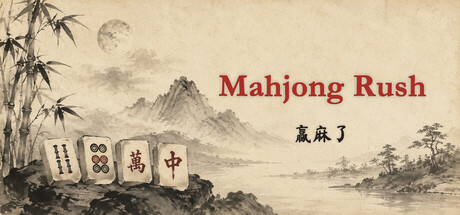
Some of this game's art assets were created with the assistance of generative AI tools during development, then hand-selected, edited, composited, and laid out by the developer before being integrated into the game. All AI-assisted content has been reviewed by the developer to ensure it contains no inappropriate or infringing material. No AI content is generated in real time during gameplay.
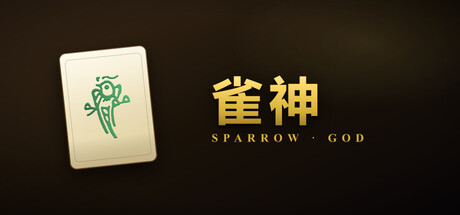
Sparrow God uses generative AI assistance for localization and some store-page/marketing copy. The game's design, mechanics, and mahjong rules are all original works by the developer. In-game visuals and audio are created through the developer's direction + algorithms (procedural rendering/synthesis), not AI-generated images or music. AI is a development-assist tool; the creative direction is led by a human.
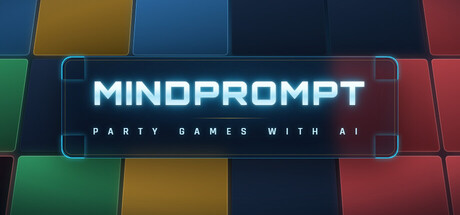
The AI acts as your gameplay partner (either as a captain or a guesser). It analyzes the words on the game board and generates short text clues, or tries to guess the correct words based on the text clues you provide.
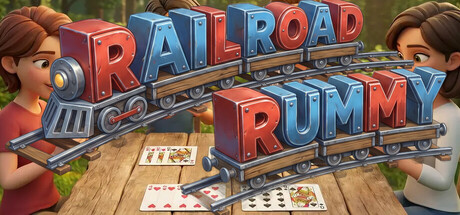
Some placeholder assets have been AI generated. We are actively working with human artists to replace all of the AI art in the game with human made art.
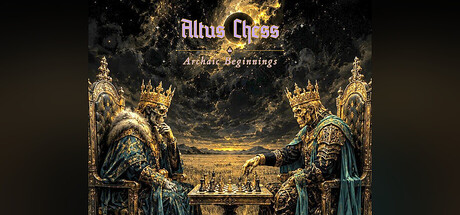
All visual artwork in Altus Chess: Archaic Beginnings — piece designs, board and background art, and promotional/store imagery — was created using generative AI image tools, directed by the developer through human-written prompts based on the game's own pieces and concepts, then reviewed and edited by hand. No content is generated live during gameplay. The game's opponent is a proprietary, hand-built algorithmic chess engine, not generative AI.
Some promotional art assets, such as posters and icons, were created with the assistance of generative AI. These materials are used only for marketing and store presentation purposes.
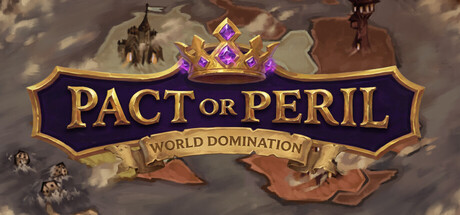
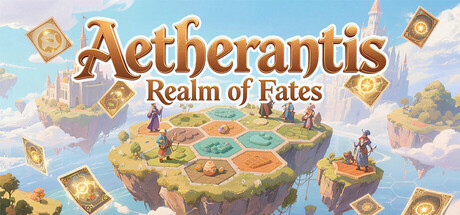
As a solo developer handling the entire scope of code, systems architecture, and design, generative AI tools were utilized during development to handle the massive volume of graphic assets. This includes illustrative 2D artwork for specific field environments, background landscapes, UI map layouts, and card illustration frames. Leveraging these tools allowed me to focus my full energy on what matters most: creating deep tactical gameplay, tight mechanical balance, and a compelling narrative. Every asset generated was extensively curated, manually edited, and visually polished to align perfectly with the game's aesthetic, storytelling, and tactical user interface. No live generative AI is used while the game is running.
Portions of in-game art assets were initially generated with generative AI, followed by extensive manual hand-drawn revision, restructuring and detailed painting by the developer. Game text and localization drafts were AI-assisted then fully proofread and revised manually. All background music and sound effects are licensed free commercial assets downloaded from authorized resource websites; no generative AI was used for audio production. Source code was written with coding assistant tools.
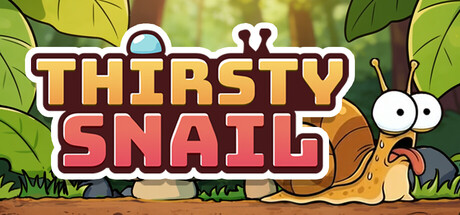
Thirsty Snail uses an on-device local language model to generate short snail dialogue, personality-based reactions, and race taunts. AI-generated text is triggered by in-game interactions and constrained by character prompts and content moderation rules. Screen-aware reactions are processed locally on the player's device. Screenshots are never stored or uploaded, and private file contents are not read.
Some card illustrations were created with the assistance of image-generation tools, then hand-selected, edited, and arranged by the developer. Game design, rules, code, UI, and writing are human-made
This game uses generative AI to produce dialogue content in real time. All character responses are generated by a large language model (LLM) based on user input and the loaded character card settings. No pre-written dialogue scripts are included in the shipped game. Character cards are created by third-party authors and may themselves contain AI-generated content.
Generative AI was used to assist in the creation of some art assets. All AI-assisted content was reviewed and edited by the developer before being included in the game.
AI tools were used to assist in creating some store page descriptions and promotional graphics. The game itself does not use AI-generated content during gameplay.
AI tools were used strictly to assist with optimizing some C# scripts and brainstorming mechanics. All final 2D and 3D in-game assets, animations, and core gameplay features were manually created and implemented by the developer.
Some in-game images and user interface (UI) elements were created with generative AI assistance, then reviewed and edited by our team for use in the game and store materials.
Portions of the game's visual assets and promotional artwork were created or enhanced using generative AI tools and were subsequently reviewed, edited, and integrated into the final product by the developer.
Generative AI is used across this game's development — including store-page marketing artwork, in-game art (cards, UI elements), and source code. All AI-generated content is human-directed, reviewed, and edited by the developer. No AI runs at game time; everything ships as static, pre-rendered assets.
Some of the art assets, music materials, and code-assisted compilation in this game utilize generative artificial intelligence (AI) technology. All such content has been manually reviewed and optimized
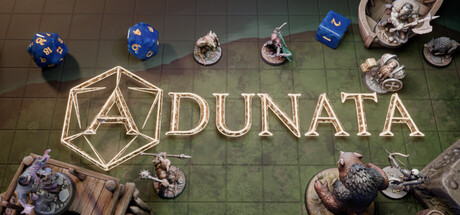
As a solo developer working on a passion project with very limited resources, I utilized generative AI as a workflow tool to help sketch out the initial base meshes and textures for the miniatures and terrain elements. However, every single asset was then manually refined, over painted, and fully optimized by me to ensure a consistent, high-quality art style and solid performance.
Generative AI was used in the development of Relax Puzzle as an assistive tool to help create some of our art assets and assist with programming logic. The AI served as a supporting utility to enhance our creative workflow and development efficiency. All content generated through these tools was carefully reviewed, refined, and integrated by our team to ensure the quality and consistency of your gaming experience.
Static art assets (store-page capsules, in-game card art, in-game icons) and audio placeholders are generated via Replicate (Google Nano Banana Pro for image, Lyria-2 / AudioGen for audio) using human-authored prompts. Outputs are reviewed by the developer before shipping. No live AI generation occurs during gameplay; all assets are baked at build time.
I would like to pay for human assets, but I am moving fast. In the same way that AI turned 12 months of dev time into 2, it also affected how I skinned the MVP. This is best for communicating intention, and I can polish it with human art if there is traction.
This game uses generative AI during development to assist with the creation of certain visual assets, text content, and localization content. All AI-assisted content has been manually reviewed, edited, integrated, and approved by the developer before being included in the game. The game does not generate AI content during live gameplay.
This game uses generative AI to assist with code completion and localization translation. The game's library cover art, promotional images are hand-drawn and then enhanced with AI.
Artificial Intelligence was used to generate concept art and placeholder music during the development phase. These assets are currently used as temporary measures until the project secures enough funding to commission professional human artists.
Crown Caps Soccer uses generative artificial intelligence tools for part of its content. Specifically, we use AI to generate and translate interface text and descriptions, as well as to assist in creating certain in-game content. All AI-generated content is reviewed by our team before publication.
Pre-generated AI-assisted artwork is used for fictional chess player avatars and selected promotional visuals. These assets are reviewed before inclusion. No live generative AI is used during gameplay.
Some of this game's art assets were created with the assistance of generative AI tools during development, then hand-selected, edited, composited, and laid out by the developer before being integrated into the game. All AI-assisted content has been reviewed by the developer to ensure it contains no inappropriate or infringing material. No AI content is generated in real time during gameplay.
Sparrow God uses generative AI assistance for localization and some store-page/marketing copy. The game's design, mechanics, and mahjong rules are all original works by the developer. In-game visuals and audio are created through the developer's direction + algorithms (procedural rendering/synthesis), not AI-generated images or music. AI is a development-assist tool; the creative direction is led by a human.
The AI acts as your gameplay partner (either as a captain or a guesser). It analyzes the words on the game board and generates short text clues, or tries to guess the correct words based on the text clues you provide.
Some placeholder assets have been AI generated. We are actively working with human artists to replace all of the AI art in the game with human made art.
All visual artwork in Altus Chess: Archaic Beginnings — piece designs, board and background art, and promotional/store imagery — was created using generative AI image tools, directed by the developer through human-written prompts based on the game's own pieces and concepts, then reviewed and edited by hand. No content is generated live during gameplay. The game's opponent is a proprietary, hand-built algorithmic chess engine, not generative AI.
Some promotional art assets, such as posters and icons, were created with the assistance of generative AI. These materials are used only for marketing and store presentation purposes.
As a solo developer handling the entire scope of code, systems architecture, and design, generative AI tools were utilized during development to handle the massive volume of graphic assets. This includes illustrative 2D artwork for specific field environments, background landscapes, UI map layouts, and card illustration frames. Leveraging these tools allowed me to focus my full energy on what matters most: creating deep tactical gameplay, tight mechanical balance, and a compelling narrative. Every asset generated was extensively curated, manually edited, and visually polished to align perfectly with the game's aesthetic, storytelling, and tactical user interface. No live generative AI is used while the game is running.
Portions of in-game art assets were initially generated with generative AI, followed by extensive manual hand-drawn revision, restructuring and detailed painting by the developer. Game text and localization drafts were AI-assisted then fully proofread and revised manually. All background music and sound effects are licensed free commercial assets downloaded from authorized resource websites; no generative AI was used for audio production. Source code was written with coding assistant tools.
Thirsty Snail uses an on-device local language model to generate short snail dialogue, personality-based reactions, and race taunts. AI-generated text is triggered by in-game interactions and constrained by character prompts and content moderation rules. Screen-aware reactions are processed locally on the player's device. Screenshots are never stored or uploaded, and private file contents are not read.
Some card illustrations were created with the assistance of image-generation tools, then hand-selected, edited, and arranged by the developer. Game design, rules, code, UI, and writing are human-made
This game uses generative AI to produce dialogue content in real time. All character responses are generated by a large language model (LLM) based on user input and the loaded character card settings. No pre-written dialogue scripts are included in the shipped game. Character cards are created by third-party authors and may themselves contain AI-generated content.
Generative AI was used to assist in the creation of some art assets. All AI-assisted content was reviewed and edited by the developer before being included in the game.
AI tools were used to assist in creating some store page descriptions and promotional graphics. The game itself does not use AI-generated content during gameplay.
AI tools were used strictly to assist with optimizing some C# scripts and brainstorming mechanics. All final 2D and 3D in-game assets, animations, and core gameplay features were manually created and implemented by the developer.
Some in-game images and user interface (UI) elements were created with generative AI assistance, then reviewed and edited by our team for use in the game and store materials.
Portions of the game's visual assets and promotional artwork were created or enhanced using generative AI tools and were subsequently reviewed, edited, and integrated into the final product by the developer.
Generative AI is used across this game's development — including store-page marketing artwork, in-game art (cards, UI elements), and source code. All AI-generated content is human-directed, reviewed, and edited by the developer. No AI runs at game time; everything ships as static, pre-rendered assets.
Some of the art assets, music materials, and code-assisted compilation in this game utilize generative artificial intelligence (AI) technology. All such content has been manually reviewed and optimized
As a solo developer working on a passion project with very limited resources, I utilized generative AI as a workflow tool to help sketch out the initial base meshes and textures for the miniatures and terrain elements. However, every single asset was then manually refined, over painted, and fully optimized by me to ensure a consistent, high-quality art style and solid performance.
Generative AI was used in the development of Relax Puzzle as an assistive tool to help create some of our art assets and assist with programming logic. The AI served as a supporting utility to enhance our creative workflow and development efficiency. All content generated through these tools was carefully reviewed, refined, and integrated by our team to ensure the quality and consistency of your gaming experience.
Static art assets (store-page capsules, in-game card art, in-game icons) and audio placeholders are generated via Replicate (Google Nano Banana Pro for image, Lyria-2 / AudioGen for audio) using human-authored prompts. Outputs are reviewed by the developer before shipping. No live AI generation occurs during gameplay; all assets are baked at build time.
I would like to pay for human assets, but I am moving fast. In the same way that AI turned 12 months of dev time into 2, it also affected how I skinned the MVP. This is best for communicating intention, and I can polish it with human art if there is traction.
This game uses generative AI during development to assist with the creation of certain visual assets, text content, and localization content. All AI-assisted content has been manually reviewed, edited, integrated, and approved by the developer before being included in the game. The game does not generate AI content during live gameplay.
This game uses generative AI to assist with code completion and localization translation. The game's library cover art, promotional images are hand-drawn and then enhanced with AI.
Artificial Intelligence was used to generate concept art and placeholder music during the development phase. These assets are currently used as temporary measures until the project secures enough funding to commission professional human artists.
Crown Caps Soccer uses generative artificial intelligence tools for part of its content. Specifically, we use AI to generate and translate interface text and descriptions, as well as to assist in creating certain in-game content. All AI-generated content is reviewed by our team before publication.
Pre-generated AI-assisted artwork is used for fictional chess player avatars and selected promotional visuals. These assets are reviewed before inclusion. No live generative AI is used during gameplay.