Public Steam disclosure research25,497 disclosures tracked
Where do games disclose AI use?
Search developers’ Steam disclosures, compare classified AI use across
games, and follow recorded changes.
This index adds cross-game classifications and statistics to
statements published on individual store pages.
Groups reflect automatic analysis of public disclosures; mature records are excluded. These counts do not measure AI use across all of Steam.
Missing or unclear statements cannot establish whether a game uses AI.
During the development of this game, generative AI was used to assist with the creation of some art assets, sound effects, music, text translations, and development reference materials. All AI-assisted generated content was manually reviewed, edited, integrated, and approved before being included in the game. No content is generated in real time based on player input during gameplay.
Guildfire uses pre-generated AI-assisted content in parts of its visual art, localization, sound effects, and soundtrack. AI-generated material is manually selected, edited, and integrated by the developer. No generative AI is used during gameplay, and the game does not connect to external AI services at runtime.
Some background art, still images, videos, and music were created with the assistance of generative AI tools; every asset was reviewed and curated by the developer. During gameplay, callers' dialogue is performed by an AI language model running entirely on the player's PC — fully offline, with no external AI service. The AI performs characters only within hand-written script boundaries, all story outcomes are decided by deterministic game logic, and generated text is filtered before display. Voice input is transcribed locally and never leaves your machine.
**Pre-Generated AI Content**
Generative AI tools were used during development to assist in creating some of the pre-generated content included in the game. The AI-assisted content includes images, music, written text, and translations.
All AI-assisted content was generated before release and is included in the game as fixed assets or data. The developer reviewed, selected, edited, and integrated the content before including it in the product. No content is generated by AI while the game is running.
The developer reviewed the included content and only incorporated material believed to have the necessary rights for distribution. Third-party copyrighted characters, trademarks, or other protected material were not intentionally requested or included.
**Live-Generated AI Content**
The game does not use live-generated AI. It does not connect to any generative AI service or generate AI-assisted content while the game is running.
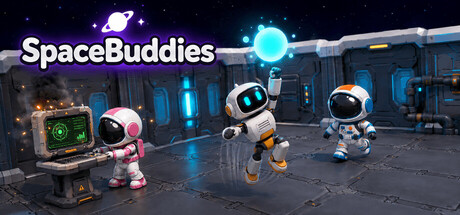
SpaceBuddies uses generative AI tools during development to create pre-rendered content included in the game and on this store page. AI was used to help produce some 3D models (Rodin), marketing/game imagery (ChatGPT), sound effects (Eleven Labs), and background music (Suno). All AI-generated assets were reviewed and edited by the development team before release.
This game does not use generative AI to create content during gameplay, and it does not connect to third-party AI services while you play.
AI was used during development, particularly to assist in creating and refining some artwork and audio assets. All content was reviewed, selected, improved upon, and integrated manually. This game does not generate AI content during gameplay.
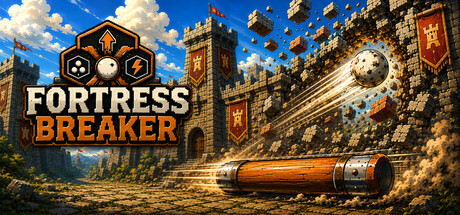
I'm not a good artist or audio producer but using current tools lets me deliver what I think is a fun game that I wouldn't be able to deliver at anywhere near the same quality without them. Fortress Breaker is still very much a one person project, just one with great tools.
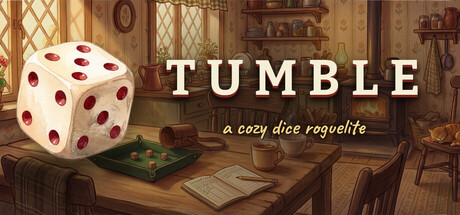
Tumble's visual art (character and charm illustrations, backdrops, item sprites, and store capsule art) was generated with Google's Gemini image models and then selected, cropped, retouched, colour-matched and in many cases regenerated by hand against a fixed reference style until it fit the game. Music and sound effects were generated with Suno under a commercial licence, then cut, mixed and placed by hand.
The game's design, rules, balance, and code are not generated content. Every mechanic, number and line of player-facing text was written, tested and revised by the developer, including through automated balance simulation and four rounds of human playtesting.
No content is generated live during play. Nothing in Tumble is produced at runtime by an AI model; the game runs entirely offline with no model calls of any kind.
Generative AI tools were used during development to assist with creating promotional images for the Steam store page, early concept art, and voiceovers for character dialogues. No AI content is generated in real-time during gameplay. All in-game models, code, and environments were manually created, processed, and integrated by the developer.
Final Night Firefight uses generative AI tools during development to assist with the creation of some pre-generated game artwork, visual assets and music. I review, edit, and integrate all AI-assisted content as part of the game's development process. The game does not generate AI content live during gameplay.
Some visual and audio assets in this game were created with the assistance of generative AI tools, and subsequently reviewed, edited, and refined by the developer. The game does not feature live or runtime generative AI during gameplay and does not generate content based on player input.
Elya uses generative AI to provide optional real-time character conversations, voice interactions, and other AI-assisted companion features. Users may connect supported third-party AI services or configure their own compatible providers. AI-generated content is produced dynamically based on user input and character settings.
Generative AI tools were used during development to assist with the creation of [artwork, voice audio, text, and localization]. All AI-assisted content was reviewed and edited by the developer before being included in the game. The game does not generate AI content during gameplay.
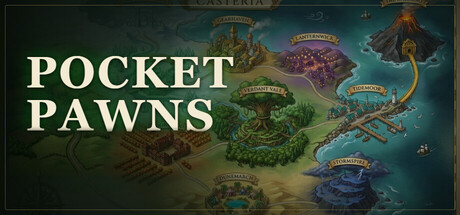
Pocket Pawns was made with the help of generative AI, and the game's own credits name every tool used.
Images and music: the chess piece art was generated with ChatGPT, the board art with Gemini, and the world and environment art from assets created with Nano Banana Pro alongside free-to-use CC0 packs found online. The soundtrack is from Suno.
Claude wrote the game's code, its writing, and its translations into ten languages — and made much of what you see and hear directly in code rather than from an image generator: the character pixel art, the in-world props and interface, the three-dimensional rooms, the animation, and the sound effects.
The chess itself is not generated. The puzzles come from the Lichess puzzle database, released under CC0, and your opponent is Stockfish, a classical open-source chess engine. Real positions, a real engine.
Nothing is generated while you play. Pocket Pawns creates no content at runtime and never connects to an AI service. It does not need an internet connection to play.
The game's art assets were created with the assistance of AI tools, including ChatGPT and Tencent Hunyuan. The game's music and sound effects were generated using Suno. Localized text for languages other than Chinese was translated with the assistance of ChatGPT. AI-assisted programming tools, including ChatGPT, were also used during the game's development.
Some of the game's background music was created using generative AI, and a very small portion of the visuals underwent refinement or fine-tuning using generative AI.
This game uses generative AI to assist with multilingual translation and to create some of its in-game music. All related content was generated in advance during development and reviewed and edited by the development team.
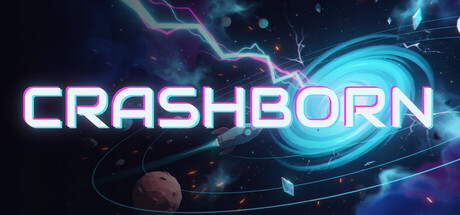
Some of Crashborn's art, audio and base 3D models were created with generative AI tools and edited by hand. They are placeholders being replaced with work from dedicated artists ahead of the 1.0 release. The game does not generate content at runtime.
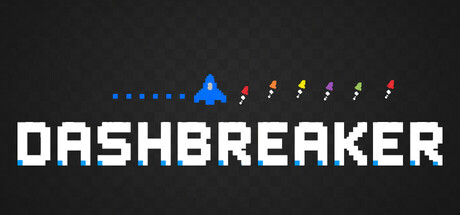
Generative AI tools were used extensively during the development of DashBreaker. They assisted with programming, selected sound effects and visual materials, player-facing text and localization, and Steam store and marketing materials. All AI-assisted output was reviewed, edited, tested, and integrated by the developer. No content or code is generated by AI during gameplay, and the game does not connect to external AI services while running.
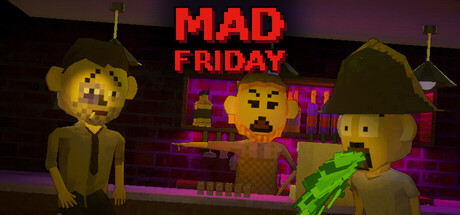
Mad Friday is made by one person. The art, animation, design and code are all mine, made by hand. A few background music tracks are licensed royalty-free assets produced with a generative music model. All audio is pre-generated and shipped with the build; nothing is generated at runtime.
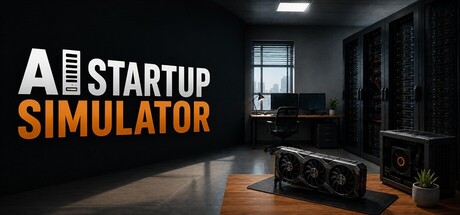
Some pre-generated visual and audio assets in AI Startup Simulator were created with the assistance of generative AI tools during development. This includes in-game desktop wallpapers, images used in vision-related tasks, and instrumental music loops for minigames. These assets were reviewed, edited, and integrated by the development team before release. The game does not use live generative AI and does not generate content with AI during gameplay.
Veil of Time is a hand-built game. The maps, the writing, the music, the interface, and the game design are all human work. Generative AI was used in five specific places, each reviewed and finished by hand:
1. Voice acting. Every line of dialogue and every in-game book can be spoken aloud (3,707 voice clips), synthesized with ElevenLabs from the game's own written script. We chose this so the story stays open to players with low vision or reading difficulties, and to younger players who are not fast readers yet. A voice cast of this size would otherwise be out of reach for a small studio. No performance was cloned from a real person without licence.
2. Character and bestiary portraits, generated from the game's original hand-made sprites and finished by hand.
3. Some character sprites and the party's battle animation sheets, produced with AI assistance from the project's own hand-drawn art, then hand-corrected and palette-locked.
4. The intro and outro cinematic stills, the title screen, and the store key art.
5. Ambient critters and butterflies, converted from hand-made source art.
Everything else you see, read, and hear was made by people.
Generative AI tools were used during development to create the artwork and audio used throughout the game. The generated assets were reviewed, selected, edited as needed, and incorporated into the final game by the developer.
Some of the music in this game was created using Suno AI. Generative image tools were also used in the creation of certain in-game visual assets and marketing images. The generated content was reviewed, selected, and modified during the development process. Generative AI is not used in real time during gameplay, nor does the game generate any new content while being played.
In a particularly fitting twist for a game about artificial intelligence whose protagonist is herself an artificial intelligence, generative AI tools were used during development to assist with some pre-generated visual assets, music, and portions of the text and localization. All AI-assisted content was reviewed, edited, and curated by the developer. No generative AI is used during gameplay.
Arcane Dash was created by a solo developer. Music, cutscene artwork, and translations were created with AI assistance. All levels, character sprites, and sound effects were hand-designed/coded by the developer, and all marketing materials were created and edited by the developer.
Some assets in this game were created with the help of generative AI tools during development, including images, animations, sound effects, and background music. All generated content was reviewed and edited by the developer before being used in the game. No generative AI runs in real time during gameplay.
Generative AI was used to assist in creating pre-generated artwork, animation, audio, dialogue, and localization. All content was reviewed and edited by the developer. No AI is used at runtime.
Generative AI tools were used during development to assist with creating some music and UI graphic assets, as well as to provide coding suggestions and troubleshooting support. All AI-assisted content was reviewed, edited where necessary, and integrated by the developer. The game does not generate AI content during gameplay.
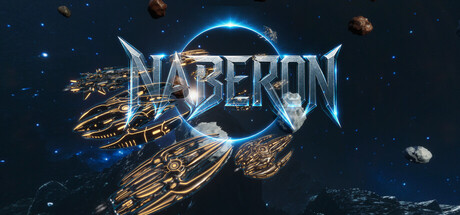
NABERON uses generative AI tools in the creation of some of its assets.
3D models and textures were generated with Meshy, then reworked, retextured
and assembled by hand for the game. Music was generated with Suno, and part
of the sound effects with ElevenLabs. Some store page artwork, including the
logo, was created with AI image tools.
All generated content was reviewed, edited and approved by the developer
before it shipped. The game does not generate any content live while you
play — nothing is created at runtime.
This game uses generative AI tools in a few areas: some 2D art assets (such as the main menu background, title logo, and UI icons), some background music and sound effects, and the drafting and translation of store page text. All AI-generated content was reviewed and edited by the developer to ensure quality and appropriate use.
Generative AI tools were used during development to create and refine the game’s visual artwork, music, and programming code. All generated material was reviewed, curated, edited, and integrated by the developer. The game does not generate AI content during gameplay, and no player input or data is sent to generative AI services.
AI-assisted tools were utilized during the development of this game (including visual art, sound design, and workflow optimization) to achieve higher quality. Every final element has been curated, reviewed, and integrated under the direct supervision of the development team.
I’m an indie game developer and have tried making games for years. Generative AI has been used as part of my development process, including helping with code, visual and sound assets. It is not a simple one-shot process, but effort has been put in over multiple generations to control and curate the art style.
During the development of this game, generative AI was used to assist with the creation of some art assets, sound effects, music, text translations, and development reference materials. All AI-assisted generated content was manually reviewed, edited, integrated, and approved before being included in the game. No content is generated in real time based on player input during gameplay.
Guildfire uses pre-generated AI-assisted content in parts of its visual art, localization, sound effects, and soundtrack. AI-generated material is manually selected, edited, and integrated by the developer. No generative AI is used during gameplay, and the game does not connect to external AI services at runtime.
Some background art, still images, videos, and music were created with the assistance of generative AI tools; every asset was reviewed and curated by the developer. During gameplay, callers' dialogue is performed by an AI language model running entirely on the player's PC — fully offline, with no external AI service. The AI performs characters only within hand-written script boundaries, all story outcomes are decided by deterministic game logic, and generated text is filtered before display. Voice input is transcribed locally and never leaves your machine.
**Pre-Generated AI Content**
Generative AI tools were used during development to assist in creating some of the pre-generated content included in the game. The AI-assisted content includes images, music, written text, and translations.
All AI-assisted content was generated before release and is included in the game as fixed assets or data. The developer reviewed, selected, edited, and integrated the content before including it in the product. No content is generated by AI while the game is running.
The developer reviewed the included content and only incorporated material believed to have the necessary rights for distribution. Third-party copyrighted characters, trademarks, or other protected material were not intentionally requested or included.
**Live-Generated AI Content**
The game does not use live-generated AI. It does not connect to any generative AI service or generate AI-assisted content while the game is running.
SpaceBuddies uses generative AI tools during development to create pre-rendered content included in the game and on this store page. AI was used to help produce some 3D models (Rodin), marketing/game imagery (ChatGPT), sound effects (Eleven Labs), and background music (Suno). All AI-generated assets were reviewed and edited by the development team before release.
This game does not use generative AI to create content during gameplay, and it does not connect to third-party AI services while you play.
AI was used during development, particularly to assist in creating and refining some artwork and audio assets. All content was reviewed, selected, improved upon, and integrated manually. This game does not generate AI content during gameplay.
I'm not a good artist or audio producer but using current tools lets me deliver what I think is a fun game that I wouldn't be able to deliver at anywhere near the same quality without them. Fortress Breaker is still very much a one person project, just one with great tools.
Tumble's visual art (character and charm illustrations, backdrops, item sprites, and store capsule art) was generated with Google's Gemini image models and then selected, cropped, retouched, colour-matched and in many cases regenerated by hand against a fixed reference style until it fit the game. Music and sound effects were generated with Suno under a commercial licence, then cut, mixed and placed by hand.
The game's design, rules, balance, and code are not generated content. Every mechanic, number and line of player-facing text was written, tested and revised by the developer, including through automated balance simulation and four rounds of human playtesting.
No content is generated live during play. Nothing in Tumble is produced at runtime by an AI model; the game runs entirely offline with no model calls of any kind.
Generative AI tools were used during development to assist with creating promotional images for the Steam store page, early concept art, and voiceovers for character dialogues. No AI content is generated in real-time during gameplay. All in-game models, code, and environments were manually created, processed, and integrated by the developer.
Final Night Firefight uses generative AI tools during development to assist with the creation of some pre-generated game artwork, visual assets and music. I review, edit, and integrate all AI-assisted content as part of the game's development process. The game does not generate AI content live during gameplay.
Some visual and audio assets in this game were created with the assistance of generative AI tools, and subsequently reviewed, edited, and refined by the developer. The game does not feature live or runtime generative AI during gameplay and does not generate content based on player input.
Elya uses generative AI to provide optional real-time character conversations, voice interactions, and other AI-assisted companion features. Users may connect supported third-party AI services or configure their own compatible providers. AI-generated content is produced dynamically based on user input and character settings.
Generative AI tools were used during development to assist with the creation of [artwork, voice audio, text, and localization]. All AI-assisted content was reviewed and edited by the developer before being included in the game. The game does not generate AI content during gameplay.
Pocket Pawns was made with the help of generative AI, and the game's own credits name every tool used.
Images and music: the chess piece art was generated with ChatGPT, the board art with Gemini, and the world and environment art from assets created with Nano Banana Pro alongside free-to-use CC0 packs found online. The soundtrack is from Suno.
Claude wrote the game's code, its writing, and its translations into ten languages — and made much of what you see and hear directly in code rather than from an image generator: the character pixel art, the in-world props and interface, the three-dimensional rooms, the animation, and the sound effects.
The chess itself is not generated. The puzzles come from the Lichess puzzle database, released under CC0, and your opponent is Stockfish, a classical open-source chess engine. Real positions, a real engine.
Nothing is generated while you play. Pocket Pawns creates no content at runtime and never connects to an AI service. It does not need an internet connection to play.
The game's art assets were created with the assistance of AI tools, including ChatGPT and Tencent Hunyuan. The game's music and sound effects were generated using Suno. Localized text for languages other than Chinese was translated with the assistance of ChatGPT. AI-assisted programming tools, including ChatGPT, were also used during the game's development.
Some of the game's background music was created using generative AI, and a very small portion of the visuals underwent refinement or fine-tuning using generative AI.
This game uses generative AI to assist with multilingual translation and to create some of its in-game music. All related content was generated in advance during development and reviewed and edited by the development team.
Some of Crashborn's art, audio and base 3D models were created with generative AI tools and edited by hand. They are placeholders being replaced with work from dedicated artists ahead of the 1.0 release. The game does not generate content at runtime.
Generative AI tools were used extensively during the development of DashBreaker. They assisted with programming, selected sound effects and visual materials, player-facing text and localization, and Steam store and marketing materials. All AI-assisted output was reviewed, edited, tested, and integrated by the developer. No content or code is generated by AI during gameplay, and the game does not connect to external AI services while running.
Mad Friday is made by one person. The art, animation, design and code are all mine, made by hand. A few background music tracks are licensed royalty-free assets produced with a generative music model. All audio is pre-generated and shipped with the build; nothing is generated at runtime.
Some pre-generated visual and audio assets in AI Startup Simulator were created with the assistance of generative AI tools during development. This includes in-game desktop wallpapers, images used in vision-related tasks, and instrumental music loops for minigames. These assets were reviewed, edited, and integrated by the development team before release. The game does not use live generative AI and does not generate content with AI during gameplay.
Veil of Time is a hand-built game. The maps, the writing, the music, the interface, and the game design are all human work. Generative AI was used in five specific places, each reviewed and finished by hand:
1. Voice acting. Every line of dialogue and every in-game book can be spoken aloud (3,707 voice clips), synthesized with ElevenLabs from the game's own written script. We chose this so the story stays open to players with low vision or reading difficulties, and to younger players who are not fast readers yet. A voice cast of this size would otherwise be out of reach for a small studio. No performance was cloned from a real person without licence.
2. Character and bestiary portraits, generated from the game's original hand-made sprites and finished by hand.
3. Some character sprites and the party's battle animation sheets, produced with AI assistance from the project's own hand-drawn art, then hand-corrected and palette-locked.
4. The intro and outro cinematic stills, the title screen, and the store key art.
5. Ambient critters and butterflies, converted from hand-made source art.
Everything else you see, read, and hear was made by people.
Generative AI tools were used during development to create the artwork and audio used throughout the game. The generated assets were reviewed, selected, edited as needed, and incorporated into the final game by the developer.
Some of the music in this game was created using Suno AI. Generative image tools were also used in the creation of certain in-game visual assets and marketing images. The generated content was reviewed, selected, and modified during the development process. Generative AI is not used in real time during gameplay, nor does the game generate any new content while being played.
In a particularly fitting twist for a game about artificial intelligence whose protagonist is herself an artificial intelligence, generative AI tools were used during development to assist with some pre-generated visual assets, music, and portions of the text and localization. All AI-assisted content was reviewed, edited, and curated by the developer. No generative AI is used during gameplay.
Arcane Dash was created by a solo developer. Music, cutscene artwork, and translations were created with AI assistance. All levels, character sprites, and sound effects were hand-designed/coded by the developer, and all marketing materials were created and edited by the developer.
Some assets in this game were created with the help of generative AI tools during development, including images, animations, sound effects, and background music. All generated content was reviewed and edited by the developer before being used in the game. No generative AI runs in real time during gameplay.
Generative AI was used to assist in creating pre-generated artwork, animation, audio, dialogue, and localization. All content was reviewed and edited by the developer. No AI is used at runtime.
Generative AI tools were used during development to assist with creating some music and UI graphic assets, as well as to provide coding suggestions and troubleshooting support. All AI-assisted content was reviewed, edited where necessary, and integrated by the developer. The game does not generate AI content during gameplay.
NABERON uses generative AI tools in the creation of some of its assets.
3D models and textures were generated with Meshy, then reworked, retextured
and assembled by hand for the game. Music was generated with Suno, and part
of the sound effects with ElevenLabs. Some store page artwork, including the
logo, was created with AI image tools.
All generated content was reviewed, edited and approved by the developer
before it shipped. The game does not generate any content live while you
play — nothing is created at runtime.
This game uses generative AI tools in a few areas: some 2D art assets (such as the main menu background, title logo, and UI icons), some background music and sound effects, and the drafting and translation of store page text. All AI-generated content was reviewed and edited by the developer to ensure quality and appropriate use.
Generative AI tools were used during development to create and refine the game’s visual artwork, music, and programming code. All generated material was reviewed, curated, edited, and integrated by the developer. The game does not generate AI content during gameplay, and no player input or data is sent to generative AI services.
AI-assisted tools were utilized during the development of this game (including visual art, sound design, and workflow optimization) to achieve higher quality. Every final element has been curated, reviewed, and integrated under the direct supervision of the development team.
I’m an indie game developer and have tried making games for years. Generative AI has been used as part of my development process, including helping with code, visual and sound assets. It is not a simple one-shot process, but effort has been put in over multiple generations to control and curate the art style.