








Disclosure
Generative AI was used only for programming assistance and localization. No generative AI was used for artwork, music, or sound effects.
- Creator
- Lazini
- Reviews
- -
- Added
- Sep 3, 2026
Public Steam disclosure research 25,380 disclosures tracked
Search developers’ Steam disclosures, compare classified AI use across games, and follow recorded changes. This index adds cross-game classifications and statistics to statements published on individual store pages.
Code help, debugging and other development work.
Capsule art, trailers and promotional material.
Pre-made art, audio, writing and other game assets.
Interactive or runtime AI features disclosed by the developer.
Groups reflect automatic analysis of public disclosures; mature records are excluded. These counts do not measure AI use across all of Steam. Missing or unclear statements cannot establish whether a game uses AI.
Generative AI was used only for programming assistance and localization. No generative AI was used for artwork, music, or sound effects.
Our team uses generative AI tools For Marketing/Promotional Images and some in game assets.
Generative AI tools were used during development to create and refine visual artwork and music, and to assist with programming. All final content was directed, selected, edited and integrated by the developer. AI is not used at runtime and the game does not generate new content while you play.
All code, game design, maps, and audio behavior were created using AI. AI tools were also used for in-game character 3D models (subsequently hand-optimized and rigged), main menu background videos, store trailer cinematic shots, and store artwork (logo and capsule backgrounds). All content is based on the game's own original characters.
Generative AI was used during development to assist with visual concept exploration and the creation of certain pre-generated art assets. No generative AI content is generated during gameplay.
SpaceBuddies uses generative AI tools during development to create pre-rendered content included in the game and on this store page. AI was used to help produce some 3D models (Rodin), marketing/game imagery (ChatGPT), sound effects (Eleven Labs), and background music (Suno). All AI-generated assets were reviewed and edited by the development team before release. This game does not use generative AI to create content during gameplay, and it does not connect to third-party AI services while you play.
AI was used during development, particularly to assist in creating and refining some artwork and audio assets. All content was reviewed, selected, improved upon, and integrated manually. This game does not generate AI content during gameplay. I'm not a good artist or audio producer but using current tools lets me deliver what I think is a fun game that I wouldn't be able to deliver at anywhere near the same quality without them. Fortress Breaker is still very much a one person project, just one with great tools.
Some 2D art assets in this game, such as menu backgrounds, UI icons and character illustrations, were created with the assistance of generative AI tools. All AI-assisted assets were reviewed and edited by our team before being included in the game. No content is generated by AI while the game is running. Game code, design and text were created by humans.
Tumble's visual art (character and charm illustrations, backdrops, item sprites, and store capsule art) was generated with Google's Gemini image models and then selected, cropped, retouched, colour-matched and in many cases regenerated by hand against a fixed reference style until it fit the game. Music and sound effects were generated with Suno under a commercial licence, then cut, mixed and placed by hand. The game's design, rules, balance, and code are not generated content. Every mechanic, number and line of player-facing text was written, tested and revised by the developer, including through automated balance simulation and four rounds of human playtesting. No content is generated live during play. Nothing in Tumble is produced at runtime by an AI model; the game runs entirely offline with no model calls of any kind.
AI tools were used during development to assist with writing the game's code and text content (including UI text, English/Korean localization, and store page text). All AI-assisted content was created under direct developer supervision and reviewed by the developer. No content is generated by AI at runtime.
BACKBITE's in-game visual art — the snakes, power-up icons and other graphics — was created with generative AI image tools and then prepared as sprites for the game. In-game text was translated into the supported languages with AI assistance. All music and sound effects come from licensed, human-made audio libraries.
AI used for creating app icons
Generative AI was used strictly for the creation of marketing materials and store page capsule artwork. All in-game assets, including pixel art character sprites, environment tiles, animations, music, and source code, were 100% human-created.
The game code is written using AI but the ideas and game concepts are human made.
AI was used during development to assist with programming, localization, and creating portions of the game's logo.
The developer used generative AI tools during the development process to assist with concept art and text translations. All final assets were reviewed and curated by the developer.
Some in-game images, depicting traditional dress, festivals, food, and cultural artifacts, were created using an AI image generation pipeline (Google Gemini through an automated workflow). Every generated image was reviewed, curated, and approved by the developer before it was added to the game. No AI content is generated live during gameplay.
The language localization and the code for the ink splats was fully generated using AI tools. The UI layouts and game code were built with the assistance of generative AI with a mix of fully AI generated code, developer-edited code, and developer-added code. Generative AI was also used to help assist with writing the text of the Steam store page description.
AI was used for the translations
Generative AI tools were used during development to assist with programming and to create some pre-generated visual assets, including icons, illustrations, and sprite artwork. All AI-assisted content was reviewed, edited, selected, and integrated by the developer. The game does not generate AI content during gameplay.
AI-assisted tools were utilized during the development of this game (including visual art, sound design, and workflow optimization) to achieve higher quality. Every final element has been curated, reviewed, and integrated under the direct supervision of the development team.
FryDay does not use generative AI in real time. It's only used as an assisstant during production, marketing, sound, and music.
The game's logo and main capsule assets were generated using artificial intelligence tools (e.g., [Gemini]). We retain full rights to the resulting images and they have been human-edited for the final version.
Some images were created by DALL-E based on our specifications and subsequently post-processed.
This app uses AI tools during the development process, for example to configure some behavior algorithms. All dog sprite art consists of hand-drawn works by human artists, purchased under a commercial license. No generative AI is used during gameplay.
This game uses generative AI in the following ways: Art: Visual assets including the logo, UI elements, backgrounds, and character sprites were created with the assistance of AI image generation tools, then reviewed and adjusted by the developer. Localization: In-game text was translated into 72 languages with the assistance of AI translation tools. All content has been reviewed by the developer before release.
AI tools were used to assist in the creation of some 2D visual assets and music used in the game. AI-assisted assets were created under developer direction, reviewed and edited by the developers before inclusion.
This game includes limited use of generative artificial intelligence in the creation of certain visual and audio assets. These AI-assisted elements were used to support the development process and are integrated alongside original, human-created content. All assets have been reviewed and curated to ensure they meet the quality and artistic standards of the game.
Used AI voice over for english on trailer
CrashFest is a one-person game, built in Unity between coffee and complaints from playtesters. It started as a physics experiment about shoving a low-poly car off a ledge and got out of hand once six controllers were plugged in. I’m a software engineer, not an artist. So a good chunk of CrashFest was made together with Claude AI — art direction, shaders, menus, the visual bits I’d never have drawn on my own — and the soundtrack comes out of Suno. The code, the physics and every questionable design decision are mine.
AI was used only as a tool to speed things up. Voice acting was done by professionals (including me). SFX and most VFX are assets created by artists (some placeholder AI art is included to be replaced in time) and the music tracks were composed by me and rendered with an AI assisted DAW process. All creative ideas, all mods and QoL features of this unique puzzle game were designed and built by a human mind.
Generative AI tools were used during development to assist in the creation of selected visual assets and promotional materials. All AI-assisted content was reviewed, edited, and integrated by the developer. The game does not generate AI content during gameplay and does not connect to external AI services while being played.
Generative AI tools were used in creating the game's illustrations, artwork, cutscene images, map designs, and sound, as well as throughout development, and in writing and revising the story. All AI-assisted content was directed, reviewed, and finalized by our team.
This game uses generative AI in parts of its development. Generative AI is used to help generate the game's program code. However, all final testing, adjustment, and verification of the generated code are carried out by human developers. Generative AI is also used to create the game's background music (BGM).
AI is used in some of the musics in game. AI is used for Game's logo
The game uses generative artificial intelligence on informative text messages and coding assistance. The game rules and campaign maps are crafted by a human,.
Destroy the Flag was developed with the assistance of a generative AI coding assistant (Claude, by Anthropic), used throughout development as a programming and writing collaborator. Pre-Generated content (created during development, ships with the game): - In-game interface text — menu labels, HUD text, on-screen instructions, and system messages — was drafted with AI assistance as part of the game's code, then reviewed and refined by the developer before shipping. - The Steam store page's short and long descriassistance, then fact-checked, edited, and approvpublishing. Live-Generated content: None. The game does not usnt isgenerated by AI while the game is being played
Generative AI was used only to assist with text localization and marketing assets; no AI-generated artwork, audio, or runtime content is included in the game.
Game assets are AI Generated
Generative AI was not used to create any in-game content resources. AI was utilized solely for the translation of certain in-game languages and external content, such as our Steam page.
Generative AI tools were used only during early-stage concept exploration and as internal visual and design references. No AI-generated artwork or other AI-generated content is included in the final game. All final in-game art assets are either created by our development team or sourced from properly licensed assets. The game does not use live-generated AI during gameplay.
We have used generative AI tools to translate the game into other languages and make it accessible to a wider audience. The development team has reviewed and overseen the integration of all text to ensure correct display and the proper functioning of the interface and menus.
Some of the game's text, including in-app interface copy and the store page description, was drafted with the assistance of an LLM and edited by the developer, as was the game's source code. All artwork, animation, 3D models and audio are human-authored. The game does not generate any content at runtime.
Some of the images on our store page were created by artificial intelligence and edits were made on the images. and some images in the game were made by artificial intelligence.
Some of this game's art and audio were created with generative AI tools, then selected, edited and assembled by the developer: the ink-wash illustrations and character portraits, part of the interface artwork, and the background music. The store page artwork and the trailer were produced the same way. Everything ships as fixed, pre-rendered assets. The game generates no content while you play and connects to no AI service. Puzzle levels are built and verified by our own deterministic mahjong solver, not by AI.
During development, parts of Marsheez were made with generative AI: some of the source code was written with the help of an AI coding assistant, and some of the art and music were created with help of AI tools and then later edited by the developer. The game does not use any generative AI while you play.
Generative AI was used for parts of the game's 3D assets, voice and narration, ambient audio, translations, and store artwork. All generated content was reviewed and edited by hand. No AI is used at runtime.
Character artwork for Giusto’s characters that represent each tier of the player’s journey began as AI-generated concept art, conceptualized, directed and reviewed by our team to match the the art direction of the game. 3D character models were generated from this concept art using Tripo AI’s image-to-3D tool, then reviewed and integrated into the game by our development team. From which, the final 3D models were designed and styled within Unreal Engine 5 to fit the feel of our game. All game design, music and other content were built directly by our team and purchased and licensed human-made asset packs.
Generative AI tools were used during development to assist with some visual assets, audio, and code. All content was reviewed, edited, and integrated by the developer. The game does not generate AI content during gameplay.
Generative AI was used in developing game code.
| Title⇅ | Disclosure | Creator⇅ | Src | Reviews⇅ | Added↓ |
|---|---|---|---|---|---|
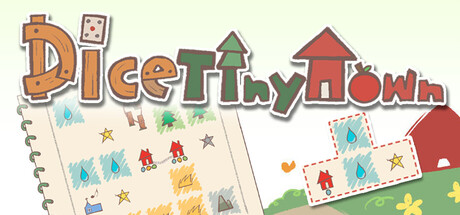 Dice Tiny Town In-game content codetext | Generative AI was used only for programming assistance and localization. No generative AI was used for artwork, music, or sound effects. | Lazini | - | Sep 3, 2026 | |
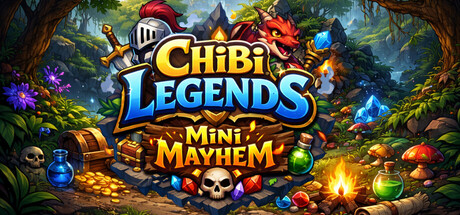 Chibi Legends: Mini Mayhem In-game content art | Our team uses generative AI tools For Marketing/Promotional Images and some in game assets. | Could Care Less | - | Sep 3, 2026 | |
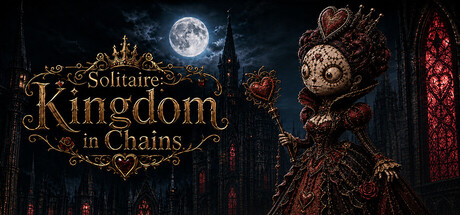 Solitaire: Kingdom in Chains In-game content artaudiocode | Generative AI tools were used during development to create and refine visual artwork and music, and to assist with programming. All final content was directed, selected, edited and integrated by the developer. AI is not used at runtime and the game does not generate new content while you play. | Big Bro Studios | - | Sep 3, 2026 | |
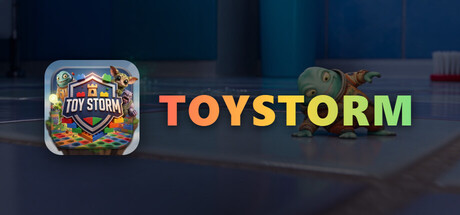 ToyStorm In-game content artcodetext | All code, game design, maps, and audio behavior were created using AI. AI tools were also used for in-game character 3D models (subsequently hand-optimized and rigged), main menu background videos, store trailer cinematic shots, and store artwork (logo and capsule backgrounds). All content is based on the game's own original characters. | AZ Studio | - | Sep 3, 2026 | |
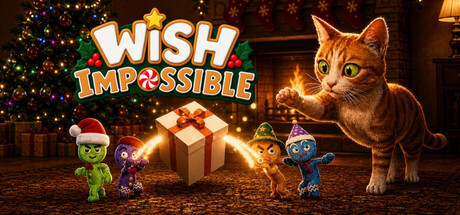 Wish Impossible In-game content art | Generative AI was used during development to assist with visual concept exploration and the creation of certain pre-generated art assets. No generative AI content is generated during gameplay. | EDEL Studio | - | Sep 3, 2026 | |
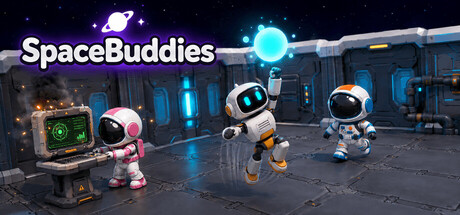 SpaceBuddies In-game content artaudio | SpaceBuddies uses generative AI tools during development to create pre-rendered content included in the game and on this store page. AI was used to help produce some 3D models (Rodin), marketing/game imagery (ChatGPT), sound effects (Eleven Labs), and background music (Suno). All AI-generated assets were reviewed and edited by the development team before release.
This game does not use generative AI to create content during gameplay, and it does not connect to third-party AI services while you play. | The Weekend Company | - | Sep 3, 2026 | |
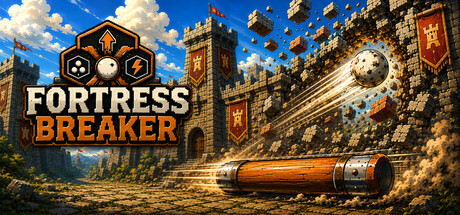 Fortress Breaker In-game content artaudio | AI was used during development, particularly to assist in creating and refining some artwork and audio assets. All content was reviewed, selected, improved upon, and integrated manually. This game does not generate AI content during gameplay.
I'm not a good artist or audio producer but using current tools lets me deliver what I think is a fun game that I wouldn't be able to deliver at anywhere near the same quality without them. Fortress Breaker is still very much a one person project, just one with great tools. | 256pub | - | Sep 3, 2026 | |
 Cozy Fishing Life art | Some 2D art assets in this game, such as menu backgrounds, UI icons and
character illustrations, were created with the assistance of generative
AI tools. All AI-assisted assets were reviewed and edited by our team
before being included in the game. No content is generated by AI while
the game is running. Game code, design and text were created by humans. | TINYCELL | - | Sep 3, 2026 | |
 Tumble: A Cozy Dice Roguelite In-game content artaudiotext | Tumble's visual art (character and charm illustrations, backdrops, item sprites, and store capsule art) was generated with Google's Gemini image models and then selected, cropped, retouched, colour-matched and in many cases regenerated by hand against a fixed reference style until it fit the game. Music and sound effects were generated with Suno under a commercial licence, then cut, mixed and placed by hand.
The game's design, rules, balance, and code are not generated content. Every mechanic, number and line of player-facing text was written, tested and revised by the developer, including through automated balance simulation and four rounds of human playtesting.
No content is generated live during play. Nothing in Tumble is produced at runtime by an AI model; the game runs entirely offline with no model calls of any kind. | Colin Bish | - | Sep 3, 2026 | |
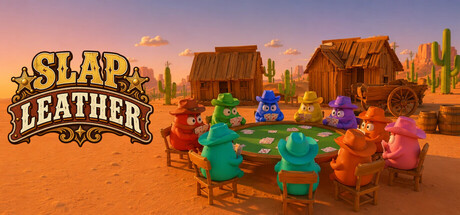 Slap Leather In-game content textcode | AI tools were used during development to assist with writing the game's code and text content (including UI text, English/Korean localization, and store page text). All AI-assisted content was created under direct developer supervision and reviewed by the developer. No content is generated by AI at runtime. | Fried Shoe | - | Sep 3, 2026 | |
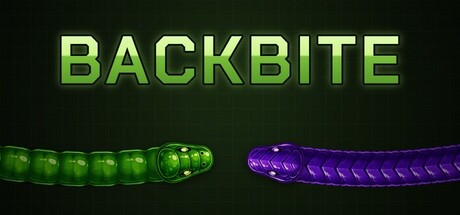 BACKBITE | BACKBITE's in-game visual art — the snakes, power-up icons and other graphics —
was created with generative AI image tools and then prepared as sprites for the
game. In-game text was translated into the supported languages with AI
assistance. All music and sound effects come from licensed, human-made audio
libraries. | CarvaCode | - | Sep 3, 2026 | |
 Dumpling Delight In-game content art | AI used for creating app icons | Pretty Pixels | - | Sep 3, 2026 | |
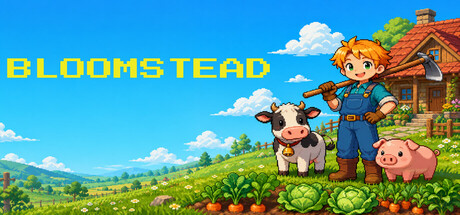 Bloomstead In-game content art | Generative AI was used strictly for the creation of marketing materials and store page capsule artwork. All in-game assets, including pixel art character sprites, environment tiles, animations, music, and source code, were 100% human-created. | Meadowroots Studios | - | Sep 3, 2026 | |
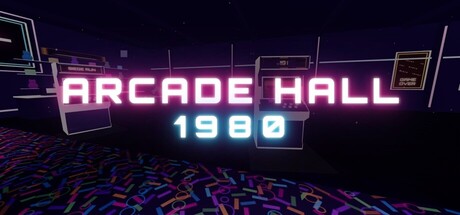 Neon Arcade Dev only code | The game code is written using AI but the ideas and game concepts are human made. | geertvd | - | Sep 3, 2026 | |
 Wheelie Run In-game content arttextcode | AI was used during development to assist with programming, localization, and creating portions of the game's logo. | Sender Jim's | - | Sep 3, 2026 | |
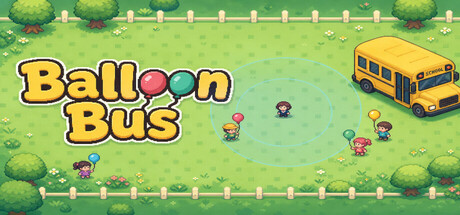 Balloon Bus In-game content arttext | The developer used generative AI tools during the development process to assist with concept art and text translations. All final assets were reviewed and curated by the developer. | Studio Sieun | - | Sep 3, 2026 | |
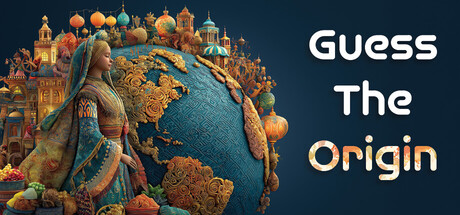 Guess the Origin In-game content art | Some in-game images, depicting traditional dress, festivals, food, and cultural artifacts, were created using an AI image generation pipeline (Google Gemini through an automated workflow). Every generated image was reviewed, curated, and approved by the developer before it was added to the game. No AI content is generated live during gameplay. | Karam Ghazzi | - | Sep 3, 2026 | |
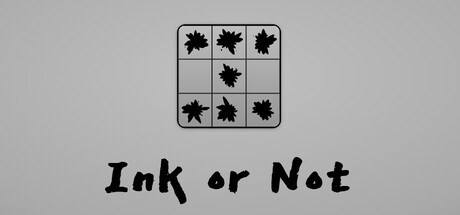 Ink or Not In-game content textcode | The language localization and the code for the ink splats was fully generated using AI tools. The UI layouts and game code were built with the assistance of generative AI with a mix of fully AI generated code, developer-edited code, and developer-added code. Generative AI was also used to help assist with writing the text of the Steam store page description. | Screaming Melon | - | Sep 3, 2026 | |
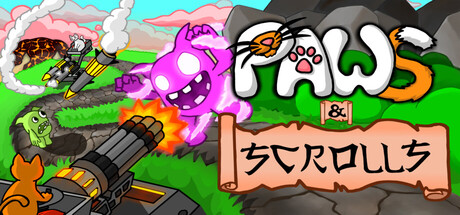 Paws & Scrolls In-game content text | AI was used for the translations | Sweet Dreams | - | Sep 2, 2026 | |
 Horta Maluca In-game content artcode | Generative AI tools were used during development to assist with programming and to create some pre-generated visual assets, including icons, illustrations, and sprite artwork. All AI-assisted content was reviewed, edited, selected, and integrated by the developer. The game does not generate AI content during gameplay. | BKP STUDIO | - | Sep 1, 2026 | |
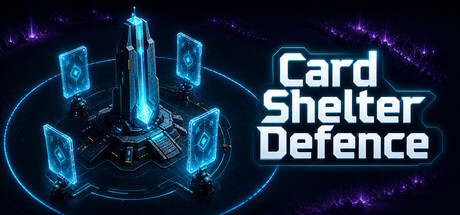 Card Shelter Defence Dev only artaudio | AI-assisted tools were utilized during the development of this game (including visual art, sound design, and workflow optimization) to achieve higher quality. Every final element has been curated, reviewed, and integrated under the direct supervision of the development team. | NeographGamer | - | Sep 1, 2026 | |
 Fryday Dev only audioart | FryDay does not use generative AI in real time. It's only used as an assisstant during production, marketing, sound, and music. | End Games | - | Sep 1, 2026 | |
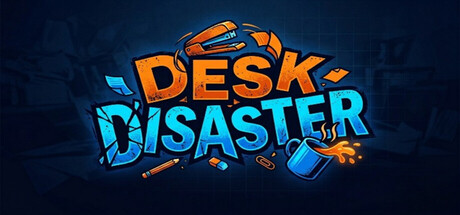 Desk Disaster Store/marketing art | The game's logo and main capsule assets were generated using artificial intelligence tools (e.g., [Gemini]). We retain full rights to the resulting images and they have been human-edited for the final version. | Quady | - | Sep 1, 2026 | |
 Jule Unclear art | Some images were created by DALL-E based on our specifications and subsequently post-processed. | Teemetal Game Studio | - | Sep 1, 2026 | |
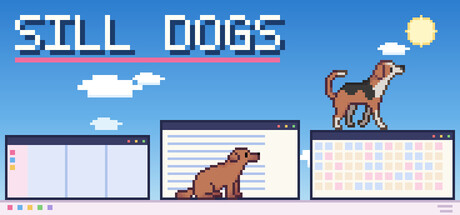 Sill Dogs Dev only code | This app uses AI tools during the development process, for example to configure some behavior algorithms. All dog sprite art consists of hand-drawn works by human artists, purchased under a commercial license. No generative AI is used during gameplay. | SQOOL | - | Sep 1, 2026 | |
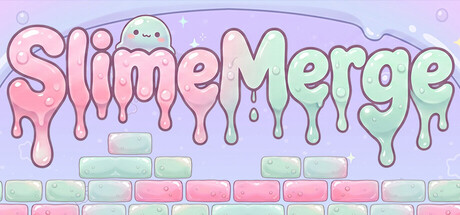 SlimeMerge In-game content arttext | This game uses generative AI in the following ways:
Art: Visual assets including the logo, UI elements, backgrounds, and character sprites were created with the assistance of AI image generation tools, then reviewed and adjusted by the developer.
Localization: In-game text was translated into 72 languages with the assistance of AI translation tools.
All content has been reviewed by the developer before release. | QuietQuickCollapseGames | - | Sep 1, 2026 | |
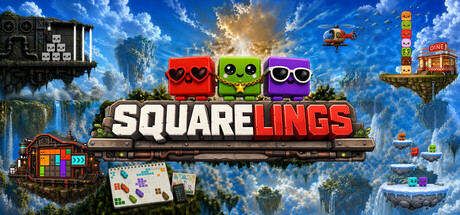 Squarelings In-game content artaudio | AI tools were used to assist in the creation of some 2D visual assets and music used in the game. AI-assisted assets were created under developer direction, reviewed and edited by the developers before inclusion. | BlueWell Games | - | Sep 1, 2026 | |
 Derby Champions In-game content artaudio | This game includes limited use of generative artificial intelligence in the creation of certain visual and audio assets. These AI-assisted elements were used to support the development process and are integrated alongside original, human-created content. All assets have been reviewed and curated to ensure they meet the quality and artistic standards of the game. | The Lazy Grid | - | Sep 1, 2026 | |
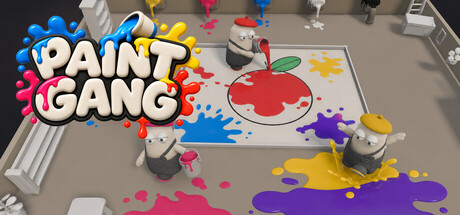 Paint Gang In-game content audio | Used AI voice over for english on trailer | Catchy | - | Aug 31, 2026 | |
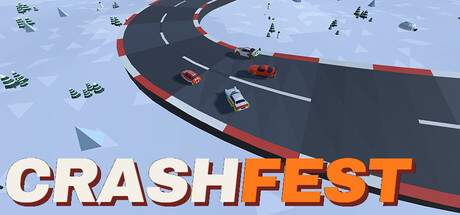 CrashFest In-game content artaudiocode | CrashFest is a one-person game, built in Unity between coffee and complaints from playtesters. It started as a physics experiment about shoving a low-poly car off a ledge and got out of hand once six controllers were plugged in.
I’m a software engineer, not an artist. So a good chunk of CrashFest was made together with Claude AI — art direction, shaders, menus, the visual bits I’d never have drawn on my own — and the soundtrack comes out of Suno. The code, the physics and every questionable design decision are mine. | Menno van Hout | - | Aug 31, 2026 | |
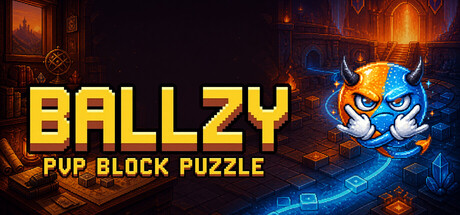 Ballzy: PvP Block Puzzle In-game content audioart | AI was used only as a tool to speed things up.
Voice acting was done by professionals (including me).
SFX and most VFX are assets created by artists (some placeholder AI art is included to be replaced in time) and the music tracks were composed by me and rendered with an AI assisted DAW process.
All creative ideas, all mods and QoL features of this unique puzzle game were designed and built by a human mind. | ONUR COBANOGLU | - | Aug 31, 2026 | |
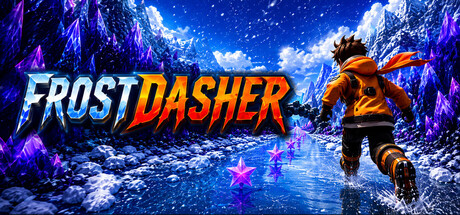 Frost Dasher Store/marketing art | Generative AI tools were used during development to assist in the creation of selected visual assets and promotional materials. All AI-assisted content was reviewed, edited, and integrated by the developer. The game does not generate AI content during gameplay and does not connect to external AI services while being played. | Red Radar Studio | - | Aug 31, 2026 | |
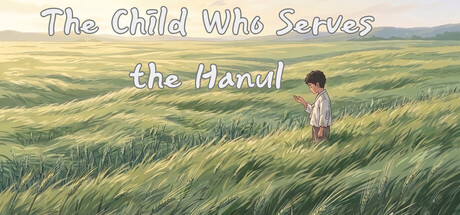 The Child Who Serves the Hanul In-game content artaudiotext | Generative AI tools were used in creating the game's illustrations, artwork, cutscene images, map designs, and sound, as well as throughout development, and in writing and revising the story. All AI-assisted content was directed, reviewed, and finalized by our team. | Seungjun Lee | - | Aug 31, 2026 | |
 TohKago In-game content codeaudio | This game uses generative AI in parts of its development.
Generative AI is used to help generate the game's program code. However, all final testing, adjustment, and verification of the generated code are carried out by human developers.
Generative AI is also used to create the game's background music (BGM). | NornLjos | - | Aug 31, 2026 | |
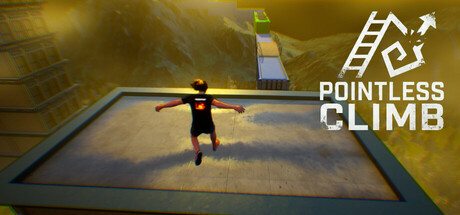 Pointless Climb In-game content audioart | AI is used in some of the musics in game.
AI is used for Game's logo | Morteza Ahmadi | - | Aug 31, 2026 | |
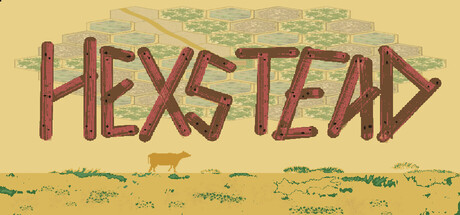 Hexstead In-game content textcode | The game uses generative artificial intelligence on informative text messages and coding assistance. The game rules and campaign maps are crafted by a human,. | pelidevaaja | - | Aug 31, 2026 | |
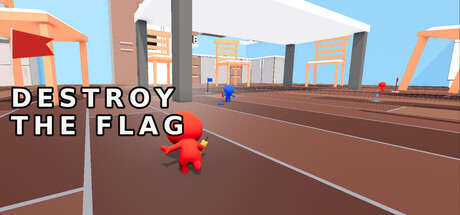 Destroy the Flag In-game content textcode | Destroy the Flag was developed with the assistance of a generative AI coding assistant (Claude, by Anthropic), used throughout development as a programming and writing collaborator.
Pre-Generated content (created during development, ships with the game):
- In-game interface text — menu labels, HUD text, on-screen instructions, and system messages — was drafted with AI assistance as part of the game's code, then reviewed and refined by the developer before shipping.
- The Steam store page's short and long descriassistance, then fact-checked, edited, and approvpublishing.
Live-Generated content: None. The game does not usnt isgenerated by AI while the game is being
played | Pisuke | - | Aug 31, 2026 | |
 BOB LOGISTICS In-game content textart | Generative AI was used only to assist with text localization and marketing assets; no AI-generated artwork, audio, or runtime content is included in the game. | WINDUP | - | Aug 31, 2026 | |
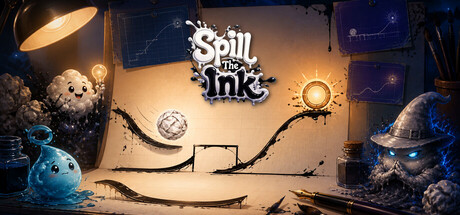 Spill The Ink In-game content art | Game assets are AI Generated | CruCauseDry | - | Aug 31, 2026 | |
 Frog Pond Simulator In-game content text | Generative AI was not used to create any in-game content resources. AI was utilized solely for the translation of certain in-game languages and external content, such as our Steam page. | Black Flamingo Games | - | Aug 30, 2026 | |
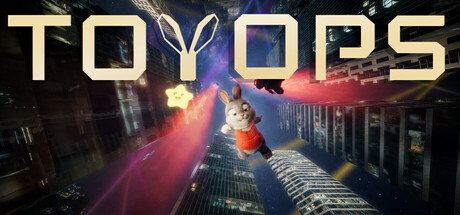 ToyOps Dev only art | Generative AI tools were used only during early-stage concept exploration and as internal visual and design references. No AI-generated artwork or other AI-generated content is included in the final game. All final in-game art assets are either created by our development team or sourced from properly licensed assets. The game does not use live-generated AI during gameplay. | Potato Games Studio | - | Aug 29, 2026 | |
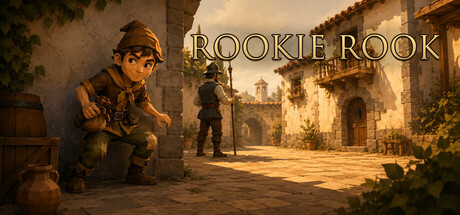 Rookie Rook In-game content text | We have used generative AI tools to translate the game into other languages and make it accessible to a wider audience. The development team has reviewed and overseen the integration of all text to ensure correct display and the proper functioning of the interface and menus. | Dozy Duck Games | - | Aug 29, 2026 | |
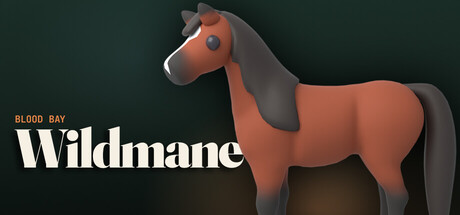 Wildmane: Blood Bay Store/marketing textcode | Some of the game's text, including in-app interface copy and the store page description, was drafted with the assistance of an LLM and edited by the developer, as was the game's source code. All artwork, animation, 3D models and audio are human-authored. The game does not generate any content at runtime. | Carysaurus | - | Aug 29, 2026 | |
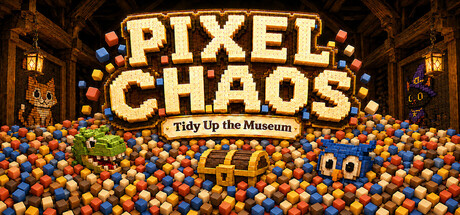 Pixel Chaos: Tidy Up the Museum In-game content art | Some of the images on our store page were created by artificial intelligence and edits were made on the images. and some images in the game were made by artificial intelligence. | Surprisia Games | - | Aug 29, 2026 | |
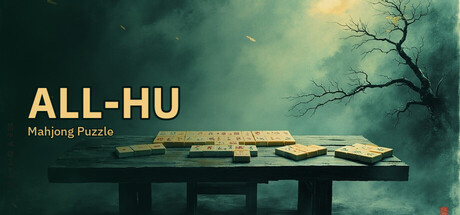 ALL-HU: Mahjong Puzzle In-game content artaudio | Some of this game's art and audio were created with generative AI tools, then selected, edited and assembled by the developer: the ink-wash illustrations and character portraits, part of the interface artwork, and the background music. The store page artwork and the trailer were produced the same way. Everything ships as fixed, pre-rendered assets. The game generates no content while you play and connects to no AI service. Puzzle levels are built and verified by our own deterministic mahjong solver, not by AI. | SHJ Studio | - | Aug 29, 2026 | |
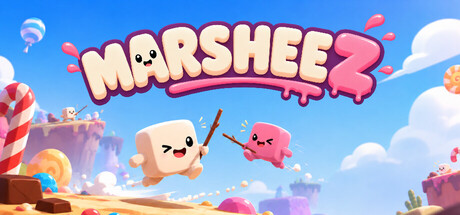 Marsheez In-game content artaudiocode | During development, parts of Marsheez were made with generative AI: some of the source code was written with the help of an AI coding assistant, and some of the art and music were created with help of AI tools and then later edited by the developer. The game does not use any generative AI while you play. | Tijmen Meijer MSc | - | Aug 29, 2026 | |
 Harvest Exit Plan In-game content artaudiotext | Generative AI was used for parts of the game's 3D assets, voice and narration, ambient audio, translations, and store artwork.
All generated content was reviewed and edited by hand. No AI is used at runtime. | Nicholas Schmitz | - | Aug 29, 2026 | |
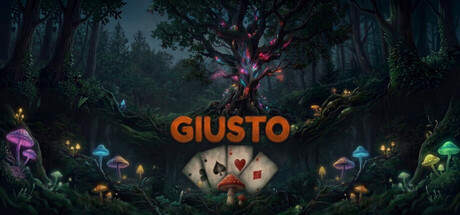 Giusto In-game content art | Character artwork for Giusto’s characters that represent each tier of the player’s journey began as AI-generated concept art, conceptualized, directed and reviewed by our team to match the the art direction of the game. 3D character models were generated from this concept art using Tripo AI’s image-to-3D tool, then reviewed and integrated into the game by our development team. From which, the final 3D models were designed and styled within Unreal Engine 5 to fit the feel of our game. All game design, music and other content were built directly by our team and purchased and licensed human-made asset packs. | JustRite Games | - | Aug 29, 2026 | |
 Bullet Debt In-game content artaudiocode | Generative AI tools were used during development to assist with some visual assets, audio, and code. All content was reviewed, edited, and integrated by the developer. The game does not generate AI content during gameplay. | David Gamble | - | Aug 29, 2026 | |
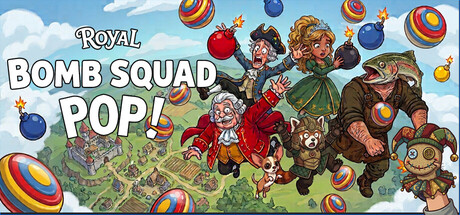 Royal Bomb Squad POP! Dev only code | Generative AI was used in developing game code. | STONEFRUITWORKS | - | Aug 29, 2026 |


