Public Steam disclosure research25,383 disclosures tracked
Where do games disclose AI use?
Search developers’ Steam disclosures, compare classified AI use across
games, and follow recorded changes.
This index adds cross-game classifications and statistics to
statements published on individual store pages.
Groups reflect automatic analysis of public disclosures; mature records are excluded. These counts do not measure AI use across all of Steam.
Missing or unclear statements cannot establish whether a game uses AI.
Generative AI tools were used during development to assist in creating a limited number of in-game UI design elements and texture assets. Generative AI is not used to create content dynamically during gameplay.
Generative AI tools were used during development to assist with the creation and iteration of some visual assets and promotional artwork. All final assets are curated, reviewed and further edited or iterated on by the developer. AI-assisted development tools are also used for programming. No AI-generated content is created during gameplay.
AI is used only for text translation/localization (in-game and store page), with every line reviewed and edited by the developer.
No AI-generated graphics, music, audio, or live content generation are used in the game.
The text used in the game and on the Steam store page has currently been translated primarily with the assistance of AI tools.
Most of the graphical assets used in the game are based on real photographs or renders of 3D objects. However, AI-generated imagery was used in cases where no suitable real-world source material was available, or where the available material was insufficient to complete or supplement the required assets.
This game was developed by a single developer. Generative AI was used in the creation of character animation, UI icons, music, and sound effects, and for coding assistance during development. The story, writing, character design direction, and all creative decisions were made entirely by the developer. No content is generated by AI during gameplay.
This game uses AI tools in the following ways:
Music: Composed using Suno.
Code: Written and debugged with AI assistance.
Art: Created with AI assistance.
All AI-assisted content was reviewed, edited, and finalized by the developer.
The store artwork (capsules and key art) was generated with an image model and then composed, cropped and combined with our own logo by hand. The game's ambient background music tracks were generated with an AI music tool and edited afterwards.
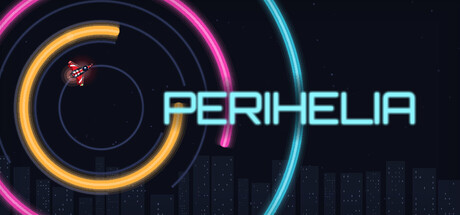
The soundtrack of PERIHELIA was created with the assistance of generative AI music tools. All tracks were curated, edited and integrated by hand, and each ships with a hand-authored beatmap. All other content — art, code, visual effects — is authored directly and drawn procedurally, with no AI involvement.
Generative AI was used during development to assist with visual concept exploration and the creation of certain pre-generated art assets. No generative AI content is generated during gameplay.
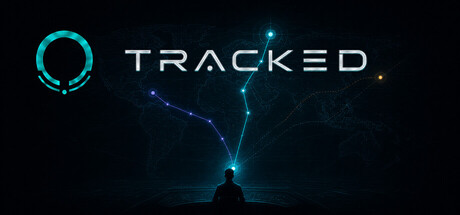
Selected pre-generated visual and audio assets used in Tracked and its store materials were created with the assistance of generative AI tools during development. Every AI-assisted asset was selected, reviewed, and edited by the development team before use. No content is generated during gameplay, and the game does not connect to external AI services.
Assistance with the development of:
- Custom procedural 2D animation rig.
- Reinforcement learning (RL) layer for player and NPC animations in hand-authored 2D environments.
- Base designs for sprites and backgrounds (further iterated by hand using digital editing software like photoshop)
No ai tools were used in any capacity for writing or story elements, voice acting, music, or anywhere else.
Some background art, still images, videos, and music were created with the assistance of generative AI tools; every asset was reviewed and curated by the developer. During gameplay, callers' dialogue is performed by an AI language model running entirely on the player's PC — fully offline, with no external AI service. The AI performs characters only within hand-written script boundaries, all story outcomes are decided by deterministic game logic, and generated text is filtered before display. Voice input is transcribed locally and never leaves your machine.
English — artwork (yes, pre-generated):
Visual art (scene backgrounds, character art, GUI covers, and visual FX) was drafted with generative image models, then human-reviewed, cropped, and accepted into the shipping game. Store capsules and library art produced the same way are included in this disclosure. Unreviewed generator output is not shipped.
English — writing (human, not AI narrative):
All narrative, dialogue, in-game text, and store copy are human-written. This game is not an AI-authored story. Planned English localization is human-translated, not model-generated.
English — audio / runtime (so reviewers do not assume the rest):
Audio is CC0 / public-domain / project-synthesized sound effects. There is no voice acting and no generative AI voice. The game does not call generative models at runtime.
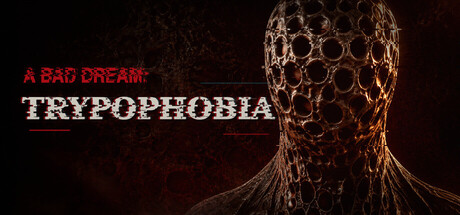
During the development of *A Bad Dream: Trypophobia*, generative AI was used as a supporting tool to create and refine certain textures, 3D models, and visual elements, as well as to assist in programming specific systems. All content was manually reviewed, edited, configured, and integrated by Big Mount Interactive. The game does not generate content via AI during gameplay, nor does it connect to external AI services.
**Pre-Generated AI Content**
Generative AI tools were used during development to assist in creating some of the pre-generated content included in the game. The AI-assisted content includes images, music, written text, and translations.
All AI-assisted content was generated before release and is included in the game as fixed assets or data. The developer reviewed, selected, edited, and integrated the content before including it in the product. No content is generated by AI while the game is running.
The developer reviewed the included content and only incorporated material believed to have the necessary rights for distribution. Third-party copyrighted characters, trademarks, or other protected material were not intentionally requested or included.
**Live-Generated AI Content**
The game does not use live-generated AI. It does not connect to any generative AI service or generate AI-assisted content while the game is running.
Tumble's visual art (character and charm illustrations, backdrops, item sprites, and store capsule art) was generated with Google's Gemini image models and then selected, cropped, retouched, colour-matched and in many cases regenerated by hand against a fixed reference style until it fit the game. Music and sound effects were generated with Suno under a commercial licence, then cut, mixed and placed by hand.
The game's design, rules, balance, and code are not generated content. Every mechanic, number and line of player-facing text was written, tested and revised by the developer, including through automated balance simulation and four rounds of human playtesting.
No content is generated live during play. Nothing in Tumble is produced at runtime by an AI model; the game runs entirely offline with no model calls of any kind.
Generative AI tools were used during development to assist with creating promotional images for the Steam store page, early concept art, and voiceovers for character dialogues. No AI content is generated in real-time during gameplay. All in-game models, code, and environments were manually created, processed, and integrated by the developer.
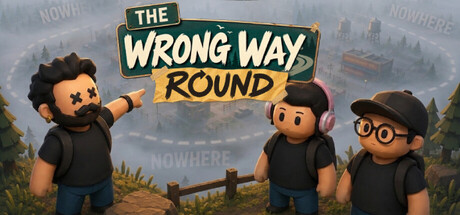
We’d like to be transparent about the localization of THE WRONG WAY ROUND.
Some of the game’s translations have been created with the assistance of AI and then reviewed and adjusted by us. This allows us to make the game available to more players and support more languages than we could otherwise manage.
We’re continuously improving the translations and really appreciate any feedback from native speakers.
AI tools were used during the creation of draft visual assets. All AI-generated material is reviewed, edited, and manually refined by professional artists before being included in the final product.
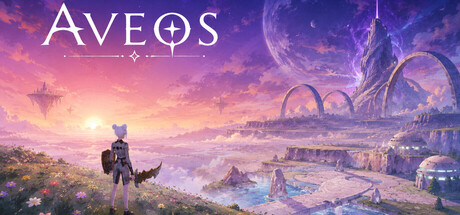
AI has been used to assist in the build process, but has absolutely not been used in thematic creative direction, game play or story direction whatsoever. Aveos is a solo developer project, and nothing has been left for AI to decide. All results have been tailored to fit the output of the vision, and it is used in lieu of a team of developers. Should those resources have been available, they would have been obviously preferred.
Generative AI tools were used during development to assist with the creation and iteration of some some pre-generated visual, written and promotional assets. All AI-assisted content is reviewed, edited and curated by the developer. No generative AI is used during gameplay.
Generative AI tools were used to assist in creating and refining some pre-generated artwork, including promotional and Steam store imagery. All such material was reviewed and edited by the developer. The game does not generate AI content live during gameplay.
Generative AI may be used during the development of AIRPORT 7 for development assistance, brainstorming, and creating or refining certain development-related content. AI-generated content is reviewed and edited by the developer before being included in the game. The game does not use generative AI to generate content for players during gameplay.
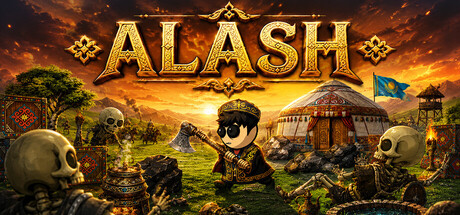
In ALASH, we utilized generative AI as a supplementary tool to assist in creating 2D art assets. Specifically, AI networks were used to help develop certain environment elements, textures, and background images to enhance the unique visual style of our alternate history setting. Please note that all game design, core mechanics, storyline, tower defense logic, and programming code were created entirely by hand by our development team. AI was used solely to support our artistic vision, ensuring that the integrity and soul of the gameplay remain entirely human-made.
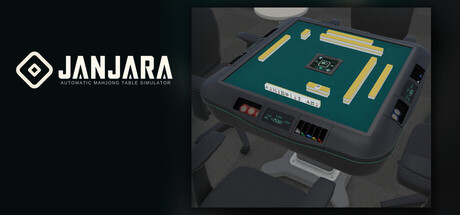
AI assistance was used to edit and localize the Steam store text and to help select, crop, and composite developer-captured gameplay screenshots and recordings with the developer-provided JANJARA logo for store capsules, library artwork, client icons, and the trailer. No synthetic gameplay imagery or audio was generated, and the game does not generate AI content during play.
Generative AI tools were used to support the creation and iteration of some visual assets and development-related content. All final assets are reviewed, edited, and selected by the developer before being included in the game or promotional materials. The game does not generate AI content live during gameplay.
Generative AI tools were used during development for ideation and drafting/editing some marketing or descriptive text. All final content is reviewed and edited by the development team. The game does not use live-generated AI content during gameplay.
During the development of this game, generative AI tools were used to assist in creating some of the art materials (scenes / props / UI) and text content. All AI-generated content has been thoroughly reviewed, modified, optimized, and checked for copyright by humans to ensure the quality and compliance of the content.
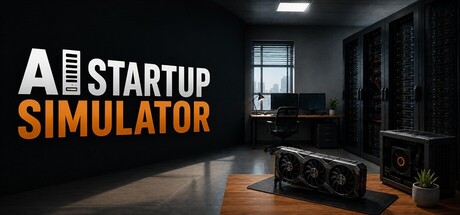
Some pre-generated visual and audio assets in AI Startup Simulator were created with the assistance of generative AI tools during development. This includes in-game desktop wallpapers, images used in vision-related tasks, and instrumental music loops for minigames. These assets were reviewed, edited, and integrated by the development team before release. The game does not use live generative AI and does not generate content with AI during gameplay.
Some of the artwork in Fallen Nights was made with generative AI. The character and object sprites began as AI-generated images and were then reduced to the game's fixed pixel palette and corrected by hand; the store and library capsule art is AI-generated painted artwork, with the game's own hand-drawn pixel wordmark composited on top.
All of it is made during development and baked into the build. The game generates nothing while you play and makes no AI calls at runtime. The levels are hand-drawn, the music is synthesized by hand-written code, and every word of text in the game is written by a person.
Veil of Time is a hand-built game. The maps, the writing, the music, the interface, and the game design are all human work. Generative AI was used in five specific places, each reviewed and finished by hand:
1. Voice acting. Every line of dialogue and every in-game book can be spoken aloud (3,707 voice clips), synthesized with ElevenLabs from the game's own written script. We chose this so the story stays open to players with low vision or reading difficulties, and to younger players who are not fast readers yet. A voice cast of this size would otherwise be out of reach for a small studio. No performance was cloned from a real person without licence.
2. Character and bestiary portraits, generated from the game's original hand-made sprites and finished by hand.
3. Some character sprites and the party's battle animation sheets, produced with AI assistance from the project's own hand-drawn art, then hand-corrected and palette-locked.
4. The intro and outro cinematic stills, the title screen, and the store key art.
5. Ambient critters and butterflies, converted from hand-made source art.
Everything else you see, read, and hear was made by people.
Generative AI was used to help translate the game's text and store page into other languages. It was not used to create any of the artwork, audio, or code in the game.
Generative AI tools were used during development to assist with refining some text, code, and images. Some in-game textures were also generated using AI. All AI-assisted content was reviewed, edited, and integrated by the developer. The game does not generate AI content during gameplay.
Some illustrative artwork used in the game (atmospheric key art shown in the in-game gallery) was created with the assistance of AI image-generation tools. Portions of the game's narrative text, achievement descriptions, and localized translations were written with the assistance of an AI language tool during development, then reviewed and edited by the developer. All sound effects and music are procedurally synthesized using traditional digital signal processing (oscillators and filters), not AI-generated.
Generative AI has been used as a supplementary tool in the creation of some art assets and UI elements included in this game. AI has also been used to assist with some text creation and localization.
AI-generated or AI-assisted content is reviewed by the developer and edited or adjusted by hand as needed. Generative AI is used only as a tool to support the development process, while careful attention is given to the overall quality, consistency, and atmosphere of the game.
Generative AI tools were used during development to assist in creating a limited number of in-game UI design elements and texture assets. Generative AI is not used to create content dynamically during gameplay.
Generative AI tools were used during development to assist with the creation and iteration of some visual assets and promotional artwork. All final assets are curated, reviewed and further edited or iterated on by the developer. AI-assisted development tools are also used for programming. No AI-generated content is created during gameplay.
AI is used only for text translation/localization (in-game and store page), with every line reviewed and edited by the developer.
No AI-generated graphics, music, audio, or live content generation are used in the game.
The text used in the game and on the Steam store page has currently been translated primarily with the assistance of AI tools.
Most of the graphical assets used in the game are based on real photographs or renders of 3D objects. However, AI-generated imagery was used in cases where no suitable real-world source material was available, or where the available material was insufficient to complete or supplement the required assets.
This game was developed by a single developer. Generative AI was used in the creation of character animation, UI icons, music, and sound effects, and for coding assistance during development. The story, writing, character design direction, and all creative decisions were made entirely by the developer. No content is generated by AI during gameplay.
This game uses AI tools in the following ways:
Music: Composed using Suno.
Code: Written and debugged with AI assistance.
Art: Created with AI assistance.
All AI-assisted content was reviewed, edited, and finalized by the developer.
The store artwork (capsules and key art) was generated with an image model and then composed, cropped and combined with our own logo by hand. The game's ambient background music tracks were generated with an AI music tool and edited afterwards.
The soundtrack of PERIHELIA was created with the assistance of generative AI music tools. All tracks were curated, edited and integrated by hand, and each ships with a hand-authored beatmap. All other content — art, code, visual effects — is authored directly and drawn procedurally, with no AI involvement.
Generative AI was used during development to assist with visual concept exploration and the creation of certain pre-generated art assets. No generative AI content is generated during gameplay.
Selected pre-generated visual and audio assets used in Tracked and its store materials were created with the assistance of generative AI tools during development. Every AI-assisted asset was selected, reviewed, and edited by the development team before use. No content is generated during gameplay, and the game does not connect to external AI services.
Assistance with the development of:
- Custom procedural 2D animation rig.
- Reinforcement learning (RL) layer for player and NPC animations in hand-authored 2D environments.
- Base designs for sprites and backgrounds (further iterated by hand using digital editing software like photoshop)
No ai tools were used in any capacity for writing or story elements, voice acting, music, or anywhere else.
Some background art, still images, videos, and music were created with the assistance of generative AI tools; every asset was reviewed and curated by the developer. During gameplay, callers' dialogue is performed by an AI language model running entirely on the player's PC — fully offline, with no external AI service. The AI performs characters only within hand-written script boundaries, all story outcomes are decided by deterministic game logic, and generated text is filtered before display. Voice input is transcribed locally and never leaves your machine.
English — artwork (yes, pre-generated):
Visual art (scene backgrounds, character art, GUI covers, and visual FX) was drafted with generative image models, then human-reviewed, cropped, and accepted into the shipping game. Store capsules and library art produced the same way are included in this disclosure. Unreviewed generator output is not shipped.
English — writing (human, not AI narrative):
All narrative, dialogue, in-game text, and store copy are human-written. This game is not an AI-authored story. Planned English localization is human-translated, not model-generated.
English — audio / runtime (so reviewers do not assume the rest):
Audio is CC0 / public-domain / project-synthesized sound effects. There is no voice acting and no generative AI voice. The game does not call generative models at runtime.
During the development of *A Bad Dream: Trypophobia*, generative AI was used as a supporting tool to create and refine certain textures, 3D models, and visual elements, as well as to assist in programming specific systems. All content was manually reviewed, edited, configured, and integrated by Big Mount Interactive. The game does not generate content via AI during gameplay, nor does it connect to external AI services.
**Pre-Generated AI Content**
Generative AI tools were used during development to assist in creating some of the pre-generated content included in the game. The AI-assisted content includes images, music, written text, and translations.
All AI-assisted content was generated before release and is included in the game as fixed assets or data. The developer reviewed, selected, edited, and integrated the content before including it in the product. No content is generated by AI while the game is running.
The developer reviewed the included content and only incorporated material believed to have the necessary rights for distribution. Third-party copyrighted characters, trademarks, or other protected material were not intentionally requested or included.
**Live-Generated AI Content**
The game does not use live-generated AI. It does not connect to any generative AI service or generate AI-assisted content while the game is running.
Tumble's visual art (character and charm illustrations, backdrops, item sprites, and store capsule art) was generated with Google's Gemini image models and then selected, cropped, retouched, colour-matched and in many cases regenerated by hand against a fixed reference style until it fit the game. Music and sound effects were generated with Suno under a commercial licence, then cut, mixed and placed by hand.
The game's design, rules, balance, and code are not generated content. Every mechanic, number and line of player-facing text was written, tested and revised by the developer, including through automated balance simulation and four rounds of human playtesting.
No content is generated live during play. Nothing in Tumble is produced at runtime by an AI model; the game runs entirely offline with no model calls of any kind.
Generative AI tools were used during development to assist with creating promotional images for the Steam store page, early concept art, and voiceovers for character dialogues. No AI content is generated in real-time during gameplay. All in-game models, code, and environments were manually created, processed, and integrated by the developer.
We’d like to be transparent about the localization of THE WRONG WAY ROUND.
Some of the game’s translations have been created with the assistance of AI and then reviewed and adjusted by us. This allows us to make the game available to more players and support more languages than we could otherwise manage.
We’re continuously improving the translations and really appreciate any feedback from native speakers.
AI tools were used during the creation of draft visual assets. All AI-generated material is reviewed, edited, and manually refined by professional artists before being included in the final product.
AI has been used to assist in the build process, but has absolutely not been used in thematic creative direction, game play or story direction whatsoever. Aveos is a solo developer project, and nothing has been left for AI to decide. All results have been tailored to fit the output of the vision, and it is used in lieu of a team of developers. Should those resources have been available, they would have been obviously preferred.
Generative AI tools were used during development to assist with the creation and iteration of some some pre-generated visual, written and promotional assets. All AI-assisted content is reviewed, edited and curated by the developer. No generative AI is used during gameplay.
Generative AI tools were used to assist in creating and refining some pre-generated artwork, including promotional and Steam store imagery. All such material was reviewed and edited by the developer. The game does not generate AI content live during gameplay.
Generative AI may be used during the development of AIRPORT 7 for development assistance, brainstorming, and creating or refining certain development-related content. AI-generated content is reviewed and edited by the developer before being included in the game. The game does not use generative AI to generate content for players during gameplay.
In ALASH, we utilized generative AI as a supplementary tool to assist in creating 2D art assets. Specifically, AI networks were used to help develop certain environment elements, textures, and background images to enhance the unique visual style of our alternate history setting. Please note that all game design, core mechanics, storyline, tower defense logic, and programming code were created entirely by hand by our development team. AI was used solely to support our artistic vision, ensuring that the integrity and soul of the gameplay remain entirely human-made.
AI assistance was used to edit and localize the Steam store text and to help select, crop, and composite developer-captured gameplay screenshots and recordings with the developer-provided JANJARA logo for store capsules, library artwork, client icons, and the trailer. No synthetic gameplay imagery or audio was generated, and the game does not generate AI content during play.
Generative AI tools were used to support the creation and iteration of some visual assets and development-related content. All final assets are reviewed, edited, and selected by the developer before being included in the game or promotional materials. The game does not generate AI content live during gameplay.
Generative AI tools were used during development for ideation and drafting/editing some marketing or descriptive text. All final content is reviewed and edited by the development team. The game does not use live-generated AI content during gameplay.
During the development of this game, generative AI tools were used to assist in creating some of the art materials (scenes / props / UI) and text content. All AI-generated content has been thoroughly reviewed, modified, optimized, and checked for copyright by humans to ensure the quality and compliance of the content.
Some pre-generated visual and audio assets in AI Startup Simulator were created with the assistance of generative AI tools during development. This includes in-game desktop wallpapers, images used in vision-related tasks, and instrumental music loops for minigames. These assets were reviewed, edited, and integrated by the development team before release. The game does not use live generative AI and does not generate content with AI during gameplay.
Some of the artwork in Fallen Nights was made with generative AI. The character and object sprites began as AI-generated images and were then reduced to the game's fixed pixel palette and corrected by hand; the store and library capsule art is AI-generated painted artwork, with the game's own hand-drawn pixel wordmark composited on top.
All of it is made during development and baked into the build. The game generates nothing while you play and makes no AI calls at runtime. The levels are hand-drawn, the music is synthesized by hand-written code, and every word of text in the game is written by a person.
Veil of Time is a hand-built game. The maps, the writing, the music, the interface, and the game design are all human work. Generative AI was used in five specific places, each reviewed and finished by hand:
1. Voice acting. Every line of dialogue and every in-game book can be spoken aloud (3,707 voice clips), synthesized with ElevenLabs from the game's own written script. We chose this so the story stays open to players with low vision or reading difficulties, and to younger players who are not fast readers yet. A voice cast of this size would otherwise be out of reach for a small studio. No performance was cloned from a real person without licence.
2. Character and bestiary portraits, generated from the game's original hand-made sprites and finished by hand.
3. Some character sprites and the party's battle animation sheets, produced with AI assistance from the project's own hand-drawn art, then hand-corrected and palette-locked.
4. The intro and outro cinematic stills, the title screen, and the store key art.
5. Ambient critters and butterflies, converted from hand-made source art.
Everything else you see, read, and hear was made by people.
Generative AI was used to help translate the game's text and store page into other languages. It was not used to create any of the artwork, audio, or code in the game.
Generative AI tools were used during development to assist with refining some text, code, and images. Some in-game textures were also generated using AI. All AI-assisted content was reviewed, edited, and integrated by the developer. The game does not generate AI content during gameplay.
Some illustrative artwork used in the game (atmospheric key art shown in the in-game gallery) was created with the assistance of AI image-generation tools. Portions of the game's narrative text, achievement descriptions, and localized translations were written with the assistance of an AI language tool during development, then reviewed and edited by the developer. All sound effects and music are procedurally synthesized using traditional digital signal processing (oscillators and filters), not AI-generated.
Generative AI has been used as a supplementary tool in the creation of some art assets and UI elements included in this game. AI has also been used to assist with some text creation and localization.
AI-generated or AI-assisted content is reviewed by the developer and edited or adjusted by hand as needed. Generative AI is used only as a tool to support the development process, while careful attention is given to the overall quality, consistency, and atmosphere of the game.