Public Steam disclosure research25,383 disclosures tracked
Where do games disclose AI use?
Search developers’ Steam disclosures, compare classified AI use across
games, and follow recorded changes.
This index adds cross-game classifications and statistics to
statements published on individual store pages.
Groups reflect automatic analysis of public disclosures; mature records are excluded. These counts do not measure AI use across all of Steam.
Missing or unclear statements cannot establish whether a game uses AI.
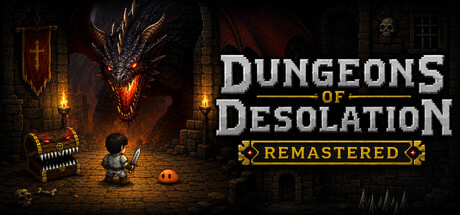
Dungeons of Desolation Remastered is based on my original 2012 Xbox Live Indie Games release. The original artwork, music, sound effects, code, game design, story, systems, and overall creative direction were created by me as an individual developer.
For this remastered PC version, I have used generative AI tools as part of the development process to assist with asset upscaling/enhancement and with porting/refactoring the original XNA codebase to a modern MonoGame version. AI-assisted work is reviewed, edited, and integrated by me.
Generative AI is not used to dynamically generate gameplay, story, dialogue, items, levels, or player-facing content at runtime.
Generative AI tools may be used during development to assist with translations for supported languages. These translations may appear as in-game text. The game does not use live-generated AI content during gameplay.
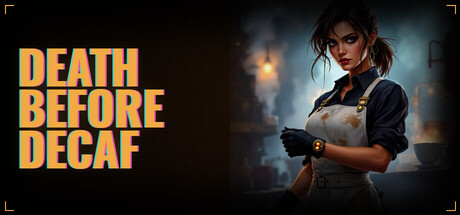
Death Before Decaf uses generative AI tools to assist with visual asset production. This includes character and enemy sprites, environment art, and marketing capsule images, all created using a fine-tuned model trained on reference materials owned by Overdose Interactive (Scenario.gg with a custom DBD LoRA, plus Replicate/Flux for select assets). All AI-generated outputs are reviewed, edited, and approved by a human art director before being shipped in the game.
The game itself does not generate any AI content at runtime: all assets are pre-rendered and bundled with the build. The game does not connect to any external AI services during gameplay.
The game was made with the help of generative AI tools for visual assets, store artwork, music, localization support, and development assistance. AI-assisted materials were reviewed, selected, edited where necessary, and integrated by the developer.
AI tools were used to generate a small number of character portraits, sprite drafts, and some sound effect assets during development. All AI-generated content was reviewed, edited, and integrated by the development team.
Some visual assets and materials used in the game were created or enhanced with the help of AI tools during development.
All AI-assisted content was reviewed, edited, and integrated by the developer.
The game does not use AI to generate content during gameplay.
As a solo developer, I used AI tools as a foundation to expand the game's scope, manually refining and finalizing every asset to ensure the final result is a high-quality, handcrafted experience.
Visual assets (hero portraits, card art backgrounds, dice imagery, booster pack illustrations) were generated using Midjourney and refined/composed in Photopea. Suit pip icons are by Lorc and Delapouite via game-icons.net (CC BY 3.0). Sound effects and music were generated using AI tools. All AI-generated content was directed, curated, and integrated by the developer. No AI is used to generate content live at runtime — all assets are pre-rendered and embedded in the build.
Some marketing assets for this game (capsule art) were created with the assistance of AI image generation tools. All gameplay content is procedurally generated by the NAGAS simulation engine — a custom-built system using deterministic algorithms, not generative AI.
Loopfall uses generative AI for select shipped content:
• Music — created in collaboration with ElevenLabs.
• Sound effects — generated with ElevenLabs Sound Effects.
• Localization — store text and in-game UI strings are translated from English to 14 other languages via the Anthropic Claude API.
All AI-generated content is pre-rendered and baked into the build — no live AI runs at runtime. Every asset is licensed under each provider's commercial-use terms and was reviewed by the developer before release.
This game uses AI to generate dynamic NPC dialogue during gameplay. NPCs respond to player actions and choices with unique, contextual conversations. All AI-generated text is filtered to ensure appropriate content.
During the development process, we may use procedural- and AI-based tools to assist with content creation. In all such cases, the final product reflects the creativity and expression of our own development team.
This game was made available in many languages thanks to generative AI. Creation of some assets was performed or aided by generative AI tools.
If you ever beat an open-world game, you probably used more power than was used to generate all the assets in this game, including the ones that went unused. If you 100%'d that game, you used much, much more.
This game uses live-generated AI content during gameplay. Specifically, parts of the audio/signal layer are generated in real time based on game state and player interactions. No user prompts or user-generated text/images are required to play.
- Some 2D assets were generated partly with AI (with human pre and post passes).
- Some languages were localized with AI. We intend to make a full human pass on all languages before 1.0 launch.
In Us is developed by a small independent studio in Japan. We incorporate generative AI tools into our development pipeline to assist in the creation of certain art assets. However, every asset included in the final game is reviewed, refined, and finalized by our human artists. No asset exists in the game without human authorship.
We chose to disclose this openly because players deserve to know how the games they play are made. We understand the concerns the creative community has about generative AI, and we are committed to keeping human craft at the center of our work — both now and in everything we make in the future.
This game uses generative AI in the following areas:
- Some in-game background images
- Some sound effects
- Translation for some languages
All AI-generated content was reviewed and edited by the developer.
Generative AI tools were used as development assistance for code prototyping, design iteration, selected promotional/store artwork, and AI-generated trailer music. The final game content is reviewed, edited, integrated, and curated by the developer.
The game does not use live generative AI during gameplay. No runtime AI-generated text, images, audio, or dialogue are produced for players.
All visual assets and sound effects in this game were created with the assistance of AI generation tools, then curated and integrated by the developer.
AI Disclosure
Generative AI tools were used to assist with writing store page descriptions and game development. All gameplay content — including art, audio, maze generation, and game mechanics — is created programmatically through traditional algorithms and code.
Some 2D artwork (concept art, item icons, environmental textures)
in this game was created with the assistance of generative AI tools,
then reviewed and edited by our art team before inclusion in the game.
All gameplay code, design, music, and sound effects were created by humans.
Generative AI is used only to create cartoon-style illustrated artwork for promotional materials and the game's store page. All other assets, including in-game art, models, design elements, and content, were created directly by the developers.
Generative AI was used during the pre-production phase to create and refine visual concepts, character designs (including enemies and the protagonist), and environmental assets. All AI-generated content was further edited and processed by the developer to fit the game's unique pixel-art constructivist style. No AI content is generated live during gameplay.
The background music in this game was generated using Suno AI. Some sound effects were generated using ElevenLabs. All AI-generated assets were curated, edited, and finalized by the developer (W4S) as part of the production process. No AI-generated content is created at runtime — all assets are pre-produced and bundled with the game.
Scourge of Eldryngard was developed independently by a single person. I utilized generative AI tools under my creative direction for the creation of assets, music, voice acting, translation, and technical support, all via paid commercial licenses. All content underwent rigorous manual editing and review to ensure technical cohesion and originality. There is no real-time AI generation during gameplay.
All store page and in-game translations were created with AI assistance as a starting point. As a solo developer, I only speak English and Ukrainian natively, so I recognize that AI translations may contain errors — I hope to improve them with native speaker feedback in the future.
Store page artwork was generated with AI image tools and then manually composed and edited by the developer.
The voice of Jessie, the assistant computer of the player, is generated with text to speech tools. Some of the store content (texts/images) is generated with AI tools.
We utilized generative AI tools (such as Midjourney and Stable Diffusion) during the development phase to assist in creating 2D concept art, UI elements, and background textures for the game. We carefully reviewed, edited, and upscaled all generated assets manually to ensure they do not infringe on any existing intellectual property or copyrights. No content is generated in real-time during gameplay.
This game's background music was generated using Suno (AI music generation).
Some sprite and store artwork was created programmatically using Python scripts with
AI-assisted design. No AI content is generated during gameplay.
Some UI elements in Drown World (specifically element icons for water, fire, gas, and similar interactive particles) were created using generative AI tools and subsequently edited and refined. Since the element roster is still being finalised and expanded, these icons will be replaced with custom artwork once the full set is locked in. Music stems were generated using AI tools, then edited and arranged by the developer. Localisation was produced with the assistance of generative AI.
The game is self-funded at this stage, and your support helps us afford professional human-made services.
Thank you!
Content made with AI help:
- Store capsule
- Store localization
- Player character 3D model.
During development, generative AI was used as a supporting tool to accelerate coding workflows and assist in creating pixel art assets. All game design, mechanics, and creative direction are human-driven.
This game uses generative AI (Grok Imagine by xAI) to create visual assets for the Steam store page, including the header, capsules, background images, and logos.
Dungeons of Desolation Remastered is based on my original 2012 Xbox Live Indie Games release. The original artwork, music, sound effects, code, game design, story, systems, and overall creative direction were created by me as an individual developer.
For this remastered PC version, I have used generative AI tools as part of the development process to assist with asset upscaling/enhancement and with porting/refactoring the original XNA codebase to a modern MonoGame version. AI-assisted work is reviewed, edited, and integrated by me.
Generative AI is not used to dynamically generate gameplay, story, dialogue, items, levels, or player-facing content at runtime.
Generative AI tools may be used during development to assist with translations for supported languages. These translations may appear as in-game text. The game does not use live-generated AI content during gameplay.
Death Before Decaf uses generative AI tools to assist with visual asset production. This includes character and enemy sprites, environment art, and marketing capsule images, all created using a fine-tuned model trained on reference materials owned by Overdose Interactive (Scenario.gg with a custom DBD LoRA, plus Replicate/Flux for select assets). All AI-generated outputs are reviewed, edited, and approved by a human art director before being shipped in the game.
The game itself does not generate any AI content at runtime: all assets are pre-rendered and bundled with the build. The game does not connect to any external AI services during gameplay.
The game was made with the help of generative AI tools for visual assets, store artwork, music, localization support, and development assistance. AI-assisted materials were reviewed, selected, edited where necessary, and integrated by the developer.
AI tools were used to generate a small number of character portraits, sprite drafts, and some sound effect assets during development. All AI-generated content was reviewed, edited, and integrated by the development team.
Some visual assets and materials used in the game were created or enhanced with the help of AI tools during development.
All AI-assisted content was reviewed, edited, and integrated by the developer.
The game does not use AI to generate content during gameplay.
As a solo developer, I used AI tools as a foundation to expand the game's scope, manually refining and finalizing every asset to ensure the final result is a high-quality, handcrafted experience.
Visual assets (hero portraits, card art backgrounds, dice imagery, booster pack illustrations) were generated using Midjourney and refined/composed in Photopea. Suit pip icons are by Lorc and Delapouite via game-icons.net (CC BY 3.0). Sound effects and music were generated using AI tools. All AI-generated content was directed, curated, and integrated by the developer. No AI is used to generate content live at runtime — all assets are pre-rendered and embedded in the build.
Some marketing assets for this game (capsule art) were created with the assistance of AI image generation tools. All gameplay content is procedurally generated by the NAGAS simulation engine — a custom-built system using deterministic algorithms, not generative AI.
Loopfall uses generative AI for select shipped content:
• Music — created in collaboration with ElevenLabs.
• Sound effects — generated with ElevenLabs Sound Effects.
• Localization — store text and in-game UI strings are translated from English to 14 other languages via the Anthropic Claude API.
All AI-generated content is pre-rendered and baked into the build — no live AI runs at runtime. Every asset is licensed under each provider's commercial-use terms and was reviewed by the developer before release.
This game uses AI to generate dynamic NPC dialogue during gameplay. NPCs respond to player actions and choices with unique, contextual conversations. All AI-generated text is filtered to ensure appropriate content.
During the development process, we may use procedural- and AI-based tools to assist with content creation. In all such cases, the final product reflects the creativity and expression of our own development team.
This game was made available in many languages thanks to generative AI. Creation of some assets was performed or aided by generative AI tools.
If you ever beat an open-world game, you probably used more power than was used to generate all the assets in this game, including the ones that went unused. If you 100%'d that game, you used much, much more.
This game uses live-generated AI content during gameplay. Specifically, parts of the audio/signal layer are generated in real time based on game state and player interactions. No user prompts or user-generated text/images are required to play.
- Some 2D assets were generated partly with AI (with human pre and post passes).
- Some languages were localized with AI. We intend to make a full human pass on all languages before 1.0 launch.
In Us is developed by a small independent studio in Japan. We incorporate generative AI tools into our development pipeline to assist in the creation of certain art assets. However, every asset included in the final game is reviewed, refined, and finalized by our human artists. No asset exists in the game without human authorship.
We chose to disclose this openly because players deserve to know how the games they play are made. We understand the concerns the creative community has about generative AI, and we are committed to keeping human craft at the center of our work — both now and in everything we make in the future.
This game uses generative AI in the following areas:
- Some in-game background images
- Some sound effects
- Translation for some languages
All AI-generated content was reviewed and edited by the developer.
Generative AI tools were used as development assistance for code prototyping, design iteration, selected promotional/store artwork, and AI-generated trailer music. The final game content is reviewed, edited, integrated, and curated by the developer.
The game does not use live generative AI during gameplay. No runtime AI-generated text, images, audio, or dialogue are produced for players.
All visual assets and sound effects in this game were created with the assistance of AI generation tools, then curated and integrated by the developer.
AI Disclosure
Generative AI tools were used to assist with writing store page descriptions and game development. All gameplay content — including art, audio, maze generation, and game mechanics — is created programmatically through traditional algorithms and code.
Some 2D artwork (concept art, item icons, environmental textures)
in this game was created with the assistance of generative AI tools,
then reviewed and edited by our art team before inclusion in the game.
All gameplay code, design, music, and sound effects were created by humans.
Generative AI is used only to create cartoon-style illustrated artwork for promotional materials and the game's store page. All other assets, including in-game art, models, design elements, and content, were created directly by the developers.
Generative AI was used during the pre-production phase to create and refine visual concepts, character designs (including enemies and the protagonist), and environmental assets. All AI-generated content was further edited and processed by the developer to fit the game's unique pixel-art constructivist style. No AI content is generated live during gameplay.
The background music in this game was generated using Suno AI. Some sound effects were generated using ElevenLabs. All AI-generated assets were curated, edited, and finalized by the developer (W4S) as part of the production process. No AI-generated content is created at runtime — all assets are pre-produced and bundled with the game.
Scourge of Eldryngard was developed independently by a single person. I utilized generative AI tools under my creative direction for the creation of assets, music, voice acting, translation, and technical support, all via paid commercial licenses. All content underwent rigorous manual editing and review to ensure technical cohesion and originality. There is no real-time AI generation during gameplay.
All store page and in-game translations were created with AI assistance as a starting point. As a solo developer, I only speak English and Ukrainian natively, so I recognize that AI translations may contain errors — I hope to improve them with native speaker feedback in the future.
Store page artwork was generated with AI image tools and then manually composed and edited by the developer.
The voice of Jessie, the assistant computer of the player, is generated with text to speech tools. Some of the store content (texts/images) is generated with AI tools.
We utilized generative AI tools (such as Midjourney and Stable Diffusion) during the development phase to assist in creating 2D concept art, UI elements, and background textures for the game. We carefully reviewed, edited, and upscaled all generated assets manually to ensure they do not infringe on any existing intellectual property or copyrights. No content is generated in real-time during gameplay.
This game's background music was generated using Suno (AI music generation).
Some sprite and store artwork was created programmatically using Python scripts with
AI-assisted design. No AI content is generated during gameplay.
Some UI elements in Drown World (specifically element icons for water, fire, gas, and similar interactive particles) were created using generative AI tools and subsequently edited and refined. Since the element roster is still being finalised and expanded, these icons will be replaced with custom artwork once the full set is locked in. Music stems were generated using AI tools, then edited and arranged by the developer. Localisation was produced with the assistance of generative AI.
The game is self-funded at this stage, and your support helps us afford professional human-made services.
Thank you!
Content made with AI help:
- Store capsule
- Store localization
- Player character 3D model.
During development, generative AI was used as a supporting tool to accelerate coding workflows and assist in creating pixel art assets. All game design, mechanics, and creative direction are human-driven.
This game uses generative AI (Grok Imagine by xAI) to create visual assets for the Steam store page, including the header, capsules, background images, and logos.