








Disclosure
部分美術採用AI輔助製作
- Creator
- Flyingcowclub
- Reviews
- -
- Added
- Aug 20, 2026
Public Steam disclosure research 25,376 disclosures tracked
Search developers’ Steam disclosures, compare classified AI use across games, and follow recorded changes. This index adds cross-game classifications and statistics to statements published on individual store pages.
Code help, debugging and other development work.
Capsule art, trailers and promotional material.
Pre-made art, audio, writing and other game assets.
Interactive or runtime AI features disclosed by the developer.
Groups reflect automatic analysis of public disclosures; mature records are excluded. These counts do not measure AI use across all of Steam. Missing or unclear statements cannot establish whether a game uses AI.
部分美術採用AI輔助製作
Some assets in Dreamfend were created using generative AI tools. This applies to the music and to some of the visual assets. All such content is reviewed and refined by hand to match the game's style and the author's intent. No content is generated during gameplay.
Generative AI tools were used to assist in the localization process for certain supported languages within the game.
Stick Crisis was developed with assistance from generative AI tools. AI-assisted image and animation tools were used to create selected visual assets, character animation frames and pre-rendered cinematics; these materials were reviewed, edited and integrated by the developer. AI coding assistants also contributed to portions of the source code. The game does not generate content during gameplay or connect to generative AI services at runtime.
Generative AI was used for two in-game mood posters and some store page graphics.
The game code, art, and sound was all generated by a combination of Generative AI tools.
AI tools are used to develop game content.
Penguin Fury uses generative AI tools for part of its content. Localization: The game is available in 39 languages. The original text was written by the developer. The translations were produced with AI translation tools and reviewed before release. Art: Some achievement icons and character/UI artwork were created with the help of AI image tools and then edited by the developer. Store page: Some of the text and images on this store page were created with AI assistance and edited by the developer. No AI content is generated while you play. Everything in the game is created in advance and shipped with the build.
NovaShift: Universe uses AI-generated art. Some 2D artwork — enemy, boss and item sprites for several game universes, boss projectile sprites, and store/marketing images (capsules, key art, logo) — was created with the assistance of AI image-generation tools, then curated, edited, transparency-cleaned and integrated by the developer. All gameplay code, procedural art, audio and game design are human-made. No content is generated by AI at runtime; players never interact with a live AI system.
Generative AI assisted selected pre-rendered visual assets, all reviewed by the developer. No AI content is generated during gameplay.
Some 3D model creatures generated from my own hand-drawn concept art via Meshy; all 2D art sources, game design, and voice work is human-made, with voice acting by Manicvelocity and The Altoholic.
The visual art, music, sound effects, pilot voice lines and written text in Starhand were created using generative AI tools — Recraft for illustration, Suno for music, and ElevenLabs for voice and sound effects — and were then selected, edited and assembled by the developer. All of it is generated ahead of time and ships as fixed assets: the game does not generate any content while you play, and it does not connect to any AI service at runtime.
Generative AI is used in this game for localization. Text plays a supporting role here: the game has no story, dialogue or voice acting. Its text is limited to interface labels, node names and short stat descriptions, while the gameplay itself runs on numbers and visual language.
Some visual assets and promotional artwork were created with the assistance of generative AI tools and subsequently selected, edited, composited, and integrated by the developer. We intend to use AI to help for translating and localizing the game.
Swarmvore was built by a solo developer using generative AI tools for the game's code, art, and text. Every piece of content went through many rounds of prompting, testing, and refining, and every creative decision, from mechanics to tone to visual style, was made by the developer.
This work incorporates the use of generative artificial intelligence (AI) in the following areas: Parts of the artwork, parts of the sound, and localization.
Generative AI was used during development to assist with some pre-generated visual artwork. The development team reviewed and curated the AI-assisted artwork before including it in the game. No generative AI content is created during gameplay, and no player data or input is sent to an AI service.
Some of our store and marketing art started as AI-generated images. We used Midjourney to create the base key art for the Steam capsules, the library hero and the page background, then edited and composited those into the final images ourselves. The logo, wordmark and typography are our own work. The game itself does not use generative AI. Every in-game asset (art, animation, UI, music, sound, and code) was made by us, by hand or with our own tools. We’ve reviewed the AI-assisted art, we hold the rights to use it commercially, and as far as we’re aware it doesn’t infringe anyone else’s work.
Some visual assets were created with the assistance of generative AI tools and then curated and edited by the developer: story illustrations, character portraits, key art / capsule backgrounds, and a small number of decorative item images. All gameplay sprites, animations, environments, music and sound effects are human-made assets used under CC0 / open licenses (credited in-game). Voice-over lines (English and Turkish) were generated with ElevenLabs text-to-speech under a commercial license, from scripts written by the developer. The game does not generate any content with AI at runtime. The developer has reviewed all AI-assisted content to ensure it is not illegal or infringing.
Parts of the title background
All the art in Arcanum Solitarius, from the playing cards to the Arcana and the workshop backgrounds, was made with AI image generation using a model I trained myself. I was after one specific look: a medieval alchemist's workshop by candlelight, in aged parchment and dark walnut with verdigris and old gold. Most of the music was made the same way. I used AI to draft some of the in-game writing, then rewrote it into my own words. I picked and edited every piece before it went into the game, and the images on this page come from those same assets. Nothing is generated while you play.
Used for music
Generative AI was used to create the music in this game.
The voice lines, non-English localization, and store art in Stellar Orbit are provided by generative AI tools.
Some of the visual artwork in Coilbound — including character and card illustrations, environment art, and store assets — was created with the assistance of generative AI image tools during development. All generated content was reviewed, edited, and curated by the developer. Coilbound does not use any AI-generated content in real time during gameplay.
I write this game's code with the help of AI coding tools, and I review everything that ships. All the art is drawn by code — no AI image generation anywhere. The enemy is a small neural network that trains locally on how you move. It only controls the eye's behavior, and it never generates art, text, or audio.
This game was developed with AI assistance for localization, in-game text (tutorial, lore, item descriptions, UI), monster/enemy artwork, and store page artwork (including the game's capsule image). All AI-assisted content was reviewed and edited by the developer before release. No content is generated by AI during gameplay.
I used Ai to help convert in-game artwork assets into the icons for steam and desktop icons. All artwork was done in aesprite, based off of drawings done by my young brother. I also used Ai to upscale assets for the steam page banners.
Used AI to generate cover photo of the game.
Krukmore is developed by a solo developer who uses generative AI as part of the production pipeline. Character and environment sprite art was created using AI image generation, then processed, edited, and integrated by hand. Portions of the game's code were written with AI assistance under the developer's direction, with all systems designed, reviewed, and tested by the developer. All AI-generated content is created during development ("pre-generated") — the game does not generate any content while you play, and no AI runs on your machine. Game design, writing, and all creative decisions are the work of the developer.
Some aspects of code, art, and sound effects were generated with the use of LLMs.
Generated code is applied to: Create some shaders (like smoke and vertex snapping) Procedurally draw billboard objects like pins and balls. Procedurally produce sfx like pin knock sounds. Some Store art is temporary generative concept art. In-game Graffiti is hand drawn and not a product of generative AI.
Breathtoll includes some AI-generated content, all of it created during development. Nothing is generated live while you play. Cinematic cutscenes: the video imagery and animation are AI-generated. Creatures: the 3D creature models began as AI-generated base meshes and were hand-refined through multiple Blender passes (cleanup, retopology, and texturing) before use in the game. Store and marketing art: some capsule and store images are composed from frames of the AI-generated cutscenes. All other content is human-made, including the game code, systems, design, all writing (scripts, narration, and story), and the hand-authored card art. We hold the rights to the AI-generated content under the generating tools' commercial licenses. This disclosure reflects the current build. We are in the process of bringing on an artist for human-made renderings, and some of the AI-generated content above will be replaced with human-created work for the full launch. We will update this disclosure as that happens.
some music and images
Some of the visual assets in this game including character key art, promotional images, and certain 3D art were created with the assistance of generative AI tools during development. All AI-generated content was reviewed, edited, and integrated by the developer. No generative AI is used at runtime; nothing is generated live while you play. All gameplay, code, and design are hand-crafted by a developer.
This whole game exists because I wondered whether, with these tools, I could actually make one. Generative AI tools were used to create assets that ship with the game. The 3D ship and enemy models were generated with Meshy AI from my own 2D concept art, and AI tools assisted with in-game text, audio, and parts of the store page and marketing materials. The design, code and balance are mine — the wave generation, the ship and weapon tuning, the modification link-set system, the campaign structure. Seventeen worlds' worth of hand-tuned numbers. I'm a solo developer with a full-time job and three kids. The answer to the question turned out to be yes, and this is it.
GnollHack features 'Overseer', an optional in-game AI assistant. Using external generative AI models, Overseer provides live-generated text responses to players during gameplay. Players can ask questions about mechanics or request contextual hints based on their current game state. AI content is strictly limited to text chat, and the service utilizes safety filters and prompt guardrails to ensure responses are safe, relevant, and free of illegal or harmful content.
AI helped with some writing, troubleshooting, localization, and the Steam store page. All art, animation, music, sound effects, and level design were created entirely by me. I reviewed and edited everything AI assisted with, and several translations were also checked by native speakers. The game does not generate AI content during gameplay and does not connect to any external AI services.
Generative AI tools were used to assist in creating and refining some pre-generated visual assets, narrative text, localization, and store/marketing artwork. All AI-assisted content was reviewed, edited, and curated by Plants Game. No content is generated during gameplay, and the game does not connect to external AI services.
All 2D artwork (hwatu card illustrations, character portraits, backgrounds) and music tracks were created using generative AI tools, then curated, edited, and assembled by the developer. All AI content is pre-rendered during development — nothing is generated live at runtime. Localization was machine-assisted and human-reviewed. Store page assets were produced the same way.
Arch Rogue was developed with extensive use of generative AI. Most of the game's code was written with AI assistance. The pixel-art sprites, tiles, animations, and store artwork were created with AI image-generation tools and then curated and integrated by the developer. Dialogue, quest text, and lore were AI-generated from developer-designed prompts and story structure. All AI content is created during development, not at runtime — the game does not generate any content with AI at runtime.
Dungeon Cooking uses generative AI tools for some of its content, created during development (pre-generated, not generated in real time): - Part of the creature art: 6 of the game's 18 monsters were made with AI image tools, then edited and integrated by the developer. - Some in-game dungeon event content was drafted with AI assistance and edited by the developer. - The announcement trailer was produced using AI tools. The rest of the game's art comes from licensed asset packs and the developer's own work. All AI-generated content was reviewed and curated by the developer before shipping.
Some in-game text and code were written with AI assistance during development. All content was reviewed, edited and approved by the developer before shipping. The game does not generate any content using AI at runtime and does not connect to any AI service.
This game features background music generated with AI, used under a commercial license. Some of the supported-language translations were produced with AI assistance. All visual art and game code are hand-authored.
Some visual assets used in the game and its store presentation were created or refined with the assistance of generative AI and were subsequently reviewed, edited, and integrated by the developer. The game does not generate AI content during gameplay.
The key art used in this game's store capsules and cover was created with the assistance of generative AI tools, then edited and composited by the developer (logo and layout added manually). AI tools were also used to assist with translating menu text and store page descriptions. All gameplay content — code, in-game sprites, animations, music, and sound effects — was created by human artists or licensed from human-made asset packs. No AI-generated content appears in the game itself.
Generative AI tools were used during development to assist with portions of the game’s code, gameplay data, English and Korean text, visual assets—including card, character, monster, UI, and environment artwork—and the creation of music, ambience, and sound effects. All AI-assisted material was reviewed and selected by the developer, then edited or processed where appropriate, tested, and integrated into the game. The game does not use generative AI at runtime, and no player input or personal data is sent to generative AI services.
Generative AI tools were used during development to create all visual artwork, sound effects, and music in Matchinko, including artwork used in store and marketing materials. AI tools also assisted with code, debugging, and drafts of some written content. All generated material was reviewed, selected, edited, tested, and integrated by the developer before inclusion. The game does not generate content using AI at runtime, connect to external AI services during play, or send player data to AI systems.
Some of the game's 2D artwork (card illustrations) was created with the assistance of generative AI tools, then curated, edited, and integrated by the developer. AI assistance was also used for in-game text and store page copy. All game design and final content decisions are the developer's own. The game contains no live/runtime AI-generated content.
This game uses AI-generated artwork for static marketplace listing images including cars, homes, investment properties, boats, and businesses shown in the Assets and Business panels, as well as for Steam achievement icons. All AI-generated content is created during development and shipped as fixed image files. The game does not generate any content live during gameplay and does not connect to any AI service while you play.
| Title⇅ | Disclosure | Creator⇅ | Src | Reviews⇅ | Added↓ |
|---|---|---|---|---|---|
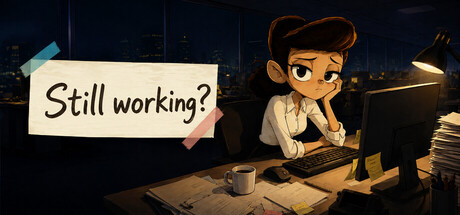 Still working? In-game content art | 部分美術採用AI輔助製作 | Flyingcowclub | - | Aug 20, 2026 | |
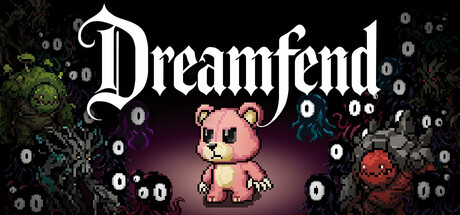 Dreamfend In-game content artaudio | Some assets in Dreamfend were created using generative AI tools. This applies to the music and to some of the visual assets. All such content is reviewed and refined by hand to match the game's style and the author's intent. No content is generated during gameplay. | Lapchatka | - | Aug 20, 2026 | |
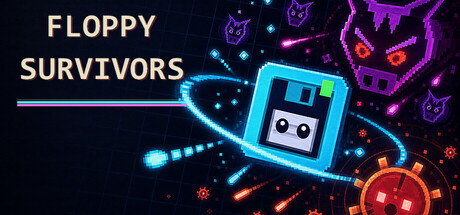 Floppy Survivors In-game content text | Generative AI tools were used to assist in the localization process for certain supported languages within the game. | Beff Inc. | - | Aug 20, 2026 | |
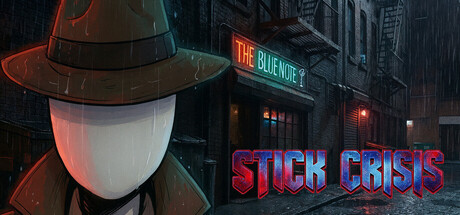 Stick Crisis In-game content artcode | Stick Crisis was developed with assistance from generative AI tools. AI-assisted image and animation tools were used to create selected visual assets, character animation frames and pre-rendered cinematics; these materials were reviewed, edited and integrated by the developer. AI coding assistants also contributed to portions of the source code. The game does not generate content during gameplay or connect to generative AI services at runtime. | Victor Manuel Ramirez | - | Aug 20, 2026 | |
 Strike and Pop In-game content art | Generative AI was used for two in-game mood posters and some store page graphics. | Monos Dev | - | Aug 20, 2026 | |
 Table of War In-game content artaudiocode | The game code, art, and sound was all generated by a combination of Generative AI tools. | Densanon | - | Aug 19, 2026 | |
 牌武者 Unclear | AI tools are used to develop game content. | JZ3003 | - | Aug 19, 2026 | |
 Penguin Fury In-game content textart | Penguin Fury uses generative AI tools for part of its content.
Localization: The game is available in 39 languages. The original text was
written by the developer. The translations were produced with AI translation
tools and reviewed before release.
Art: Some achievement icons and character/UI artwork were created with the help
of AI image tools and then edited by the developer.
Store page: Some of the text and images on this store page were created with AI
assistance and edited by the developer.
No AI content is generated while you play. Everything in the game is created in
advance and shipped with the build. | exklusiva | - | Aug 19, 2026 | |
 NovaShift: Universe In-game content art | NovaShift: Universe uses AI-generated art. Some 2D artwork — enemy, boss and item sprites for several game universes, boss projectile sprites, and store/marketing images (capsules, key art, logo) — was created with the assistance of AI image-generation tools, then curated, edited, transparency-cleaned and integrated by the developer. All gameplay code, procedural art, audio and game design are human-made. No content is generated by AI at runtime; players never interact with a live AI system. | Candan26 | - | Aug 19, 2026 | |
 VEKARRA In-game content art | Generative AI assisted selected pre-rendered visual assets, all reviewed by the developer. No AI content is generated during gameplay. | Lamplight Studio | - | Aug 19, 2026 | |
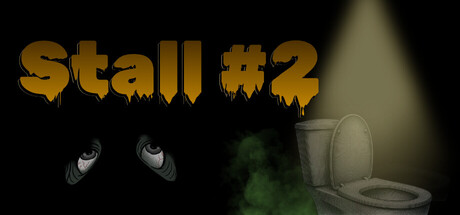 Stall #2 In-game content art | Some 3D model creatures generated from my own hand-drawn concept art via Meshy; all 2D art sources, game design, and voice work is human-made, with voice acting by Manicvelocity and The Altoholic. | Fidgetworks | - | Aug 19, 2026 | |
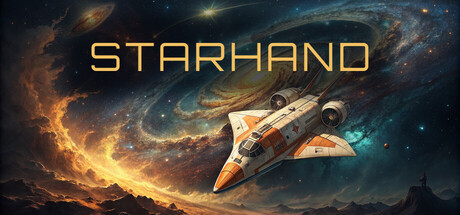 Starhand In-game content artaudiotext | The visual art, music, sound effects, pilot voice lines and written text in Starhand were created using generative AI tools — Recraft for illustration, Suno for music, and ElevenLabs for voice and sound effects — and were then selected, edited and assembled by the developer. All of it is generated ahead of time and ships as fixed assets: the game does not generate any content while you play, and it does not connect to any AI service at runtime. | Christopher Hinckley | - | Aug 17, 2026 | |
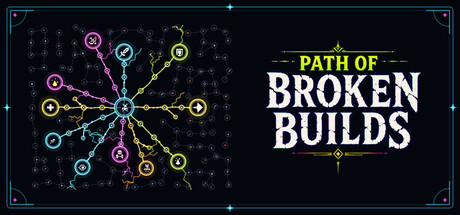 Path of Broken Builds In-game content text | Generative AI is used in this game for localization.
Text plays a supporting role here: the game has no story, dialogue or voice acting. Its text is limited to interface labels, node names and short stat descriptions, while the gameplay itself runs on numbers and visual language. | SadCrawler | - | Aug 17, 2026 | |
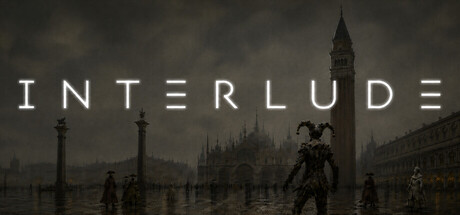 Interlude In-game content arttext | Some visual assets and promotional artwork were created with the assistance of generative AI tools and subsequently selected, edited, composited, and integrated by the developer.
We intend to use AI to help for translating and localizing the game. | Interlude | - | Aug 17, 2026 | |
 Swarmvore In-game content arttextcode | Swarmvore was built by a solo developer using generative AI tools for the game's code, art, and text. Every piece of content went through many rounds of prompting, testing, and refining, and every creative decision, from mechanics to tone to visual style, was made by the developer. | Panda Games | - | Aug 16, 2026 | |
 IJIN: History Survivors In-game content artaudiotext | This work incorporates the use of generative artificial intelligence (AI) in the following areas:
Parts of the artwork, parts of the sound, and localization. | SF Create | - | Aug 16, 2026 | |
 残明·末路 In-game content art | Generative AI was used during development to assist with some pre-generated visual artwork. The development team reviewed and curated the AI-assisted artwork before including it in the game. No generative AI content is created during gameplay, and no player data or input is sent to an AI service. | 孤灯工作室 | - | Aug 16, 2026 | |
 Gnomekeeper In-game content art | Some of our store and marketing art started as AI-generated images. We used Midjourney to create the base key art for the Steam capsules, the library hero and the page background, then edited and composited those into the final images ourselves. The logo, wordmark and typography are our own work.
The game itself does not use generative AI. Every in-game asset (art, animation, UI, music, sound, and code) was made by us, by hand or with our own tools.
We’ve reviewed the AI-assisted art, we hold the rights to use it commercially, and as far as we’re aware it doesn’t infringe anyone else’s work. | Omrune | - | Aug 14, 2026 | |
 HORDELIGHT In-game content artaudio | Some visual assets were created with the assistance of generative AI tools and then curated and edited by the developer: story illustrations, character portraits, key art / capsule backgrounds, and a small number of decorative item images.
All gameplay sprites, animations, environments, music and sound effects are human-made assets used under CC0 / open licenses (credited in-game).
Voice-over lines (English and Turkish) were generated with ElevenLabs text-to-speech under a commercial license, from scripts written by the developer.
The game does not generate any content with AI at runtime. The developer has reviewed all AI-assisted content to ensure it is not illegal or infringing. | AGAMED GAMES | - | Aug 14, 2026 | |
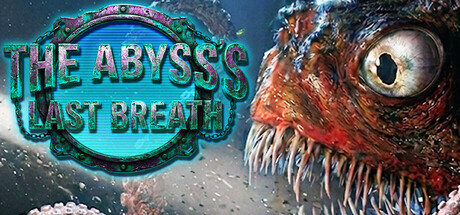 The Abyss’s Last Breath Unclear | Parts of the title background | furiousDevPhoenix | - | Aug 14, 2026 | |
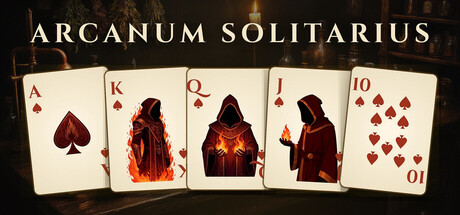 Arcanum Solitarius In-game content artaudiotext | All the art in Arcanum Solitarius, from the playing cards to the Arcana and the workshop backgrounds, was made with AI image generation using a model I trained myself. I was after one specific look: a medieval alchemist's workshop by candlelight, in aged parchment and dark walnut with verdigris and old gold. Most of the music was made the same way. I used AI to draft some of the in-game writing, then rewrote it into my own words. I picked and edited every piece before it went into the game, and the images on this page come from those same assets. Nothing is generated while you play. | Arcanica Games | - | Aug 14, 2026 | |
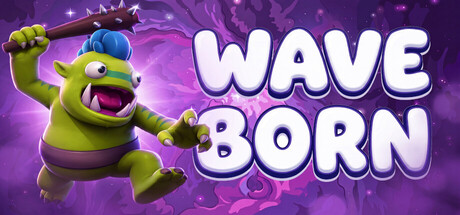 WaveBorn In-game content audio | Used for music | Sedge Games | - | Aug 14, 2026 | |
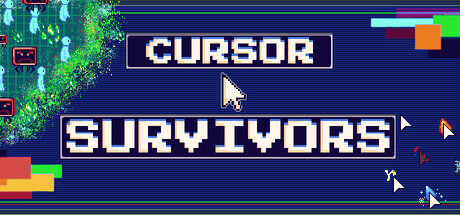 Cursor Survivors In-game content audio | Generative AI was used to create the music in this game. | Incepto Games | - | Aug 14, 2026 | |
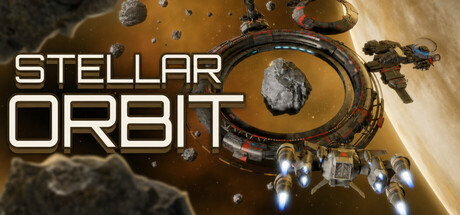 Stellar Orbit In-game content audiotextart | The voice lines, non-English localization, and store art in Stellar Orbit are provided by generative AI tools. | Juha Ylitalo | - | Aug 14, 2026 | |
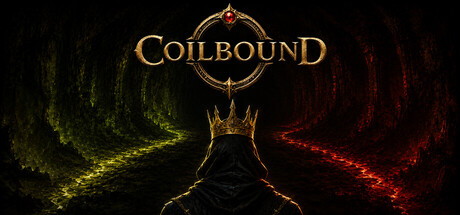 Coilbound In-game content art | Some of the visual artwork in Coilbound — including character and card illustrations, environment art, and store assets — was created with the assistance of generative AI image tools during development. All generated content was reviewed, edited, and curated by the developer. Coilbound does not use any AI-generated content in real time during gameplay. | Goblin Games | - | Aug 14, 2026 | |
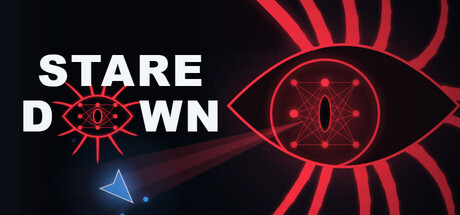 Staredown Live AI code | I write this game's code with the help of AI coding tools, and I review everything that ships. All the art is drawn by code — no AI image generation anywhere.
The enemy is a small neural network that trains locally on how you move. It only controls the eye's behavior, and it never generates art, text, or audio. | PalkGameDev | - | Aug 14, 2026 | |
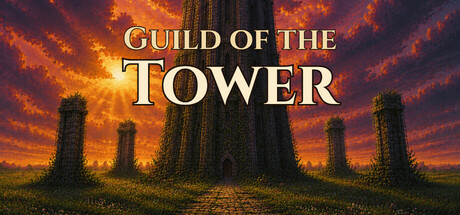 Guild of the Tower In-game content arttext | This game was developed with AI assistance for localization, in-game text (tutorial, lore, item descriptions, UI), monster/enemy artwork, and store page artwork (including the game's capsule image). All AI-assisted content was reviewed and edited by the developer before release. No content is generated by AI during gameplay. | One Wish Studio | - | Aug 13, 2026 | |
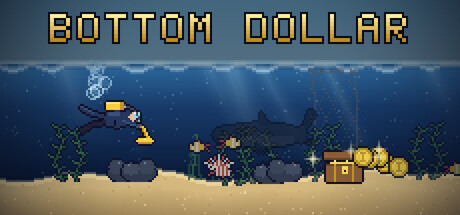 Bottom Dollar In-game content art | I used Ai to help convert in-game artwork assets into the icons for steam and desktop icons. All artwork was done in aesprite, based off of drawings done by my young brother.
I also used Ai to upscale assets for the steam page banners. | Devin P. | - | Aug 13, 2026 | |
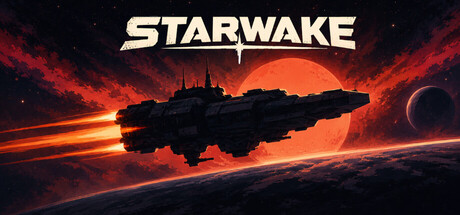 Starwake Store/marketing art | Used AI to generate cover photo of the game. | volaryus | - | Aug 13, 2026 | |
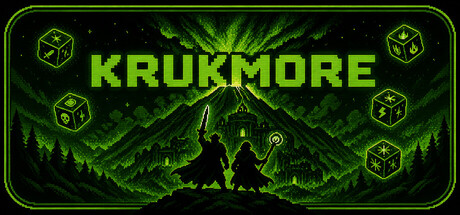 Krukmore In-game content artcode | Krukmore is developed by a solo developer who uses generative AI as part of the production pipeline. Character and environment sprite art was created using AI image generation, then processed, edited, and integrated by hand. Portions of the game's code were written with AI assistance under the developer's direction, with all systems designed, reviewed, and tested by the developer. All AI-generated content is created during development ("pre-generated") — the game does not generate any content while you play, and no AI runs on your machine. Game design, writing, and all creative decisions are the work of the developer. | David Gamble | - | Aug 13, 2026 | |
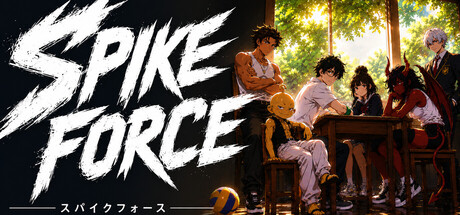 Spike Force In-game content artaudiocode | Some aspects of code, art, and sound effects were generated with the use of LLMs. | Deep Six Game Studios | - | Aug 13, 2026 | |
 Hambone Alley In-game content artaudio | Generated code is applied to:
Create some shaders (like smoke and vertex snapping)
Procedurally draw billboard objects like pins and balls.
Procedurally produce sfx like pin knock sounds.
Some Store art is temporary generative concept art.
In-game Graffiti is hand drawn and not a product of generative AI. | Jeff Neet | - | Aug 11, 2026 | |
 Breathtoll In-game content art | Breathtoll includes some AI-generated content, all of it created during development. Nothing is generated live while you play.
Cinematic cutscenes: the video imagery and animation are AI-generated.
Creatures: the 3D creature models began as AI-generated base meshes and were hand-refined through multiple Blender passes (cleanup, retopology, and texturing) before use in the game.
Store and marketing art: some capsule and store images are composed from frames of the AI-generated cutscenes.
All other content is human-made, including the game code, systems, design, all writing (scripts, narration, and story), and the hand-authored card art. We hold the rights to the AI-generated content under the generating tools' commercial licenses.
This disclosure reflects the current build. We are in the process of bringing on an artist for human-made renderings, and some of the AI-generated content above will be replaced with human-created work for the full launch. We will update this disclosure as that happens. | Josh Winter | - | Aug 11, 2026 | |
 a dead astronaut in space Unclear artaudio | some music and images | a dead astronaut | - | Aug 11, 2026 | |
 Beatlash: Survival In-game content art | Some of the visual assets in this game including character key art, promotional images, and certain 3D art were created with the assistance of generative AI tools during development. All AI-generated content was reviewed, edited, and integrated by the developer. No generative AI is used at runtime; nothing is generated live while you play. All gameplay, code, and design are hand-crafted by a developer. | Hawks and Owls | - | Aug 11, 2026 | |
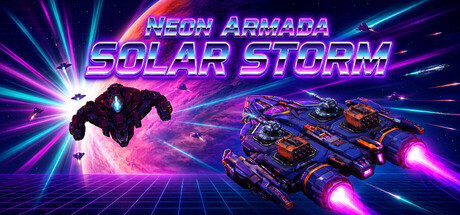 Neon Armada - Solar Storm In-game content arttextaudio | This whole game exists because I wondered whether, with these tools, I could actually make one.
Generative AI tools were used to create assets that ship with the game. The 3D ship and enemy models were generated with Meshy AI from my own 2D concept art, and AI tools assisted with in-game text, audio, and parts of the store page and marketing materials.
The design, code and balance are mine — the wave generation, the ship and weapon tuning, the modification link-set system, the campaign structure. Seventeen worlds' worth of hand-tuned numbers.
I'm a solo developer with a full-time job and three kids. The answer to the question turned out to be yes, and this is it. | Faint Signal | - | Aug 10, 2026 | |
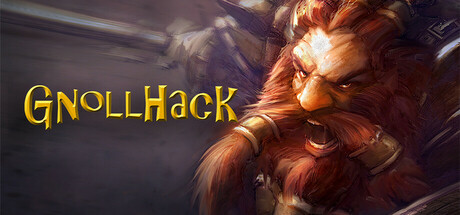 GnollHack Live AI text | GnollHack features 'Overseer', an optional in-game AI assistant. Using external generative AI models, Overseer provides live-generated text responses to players during gameplay. Players can ask questions about mechanics or request contextual hints based on their current game state. AI content is strictly limited to text chat, and the service utilizes safety filters and prompt guardrails to ensure responses are safe, relevant, and free of illegal or harmful content. | Hyvän mielen pelit ry | 50 | Aug 9, 2026 | |
 20 Trials to Heaven In-game content text | AI helped with some writing, troubleshooting, localization, and the Steam store page. All art, animation, music, sound effects, and level design were created entirely by me. I reviewed and edited everything AI assisted with, and several translations were also checked by native speakers. The game does not generate AI content during gameplay and does not connect to any external AI services. | Rodel Pacheco | - | Aug 8, 2026 | |
 Dungeon Sookuma In-game content arttext | Generative AI tools were used to assist in creating and refining some pre-generated visual assets, narrative text, localization, and store/marketing artwork. All AI-assisted content was reviewed, edited, and curated by Plants Game. No content is generated during gameplay, and the game does not connect to external AI services. | 플랜츠게임 | - | Aug 8, 2026 | |
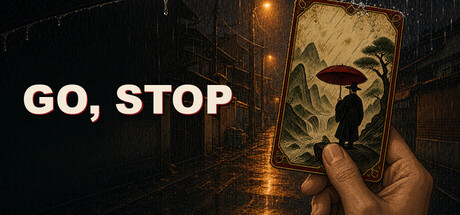 GO, STOP In-game content artaudiotext | All 2D artwork (hwatu card illustrations, character portraits, backgrounds) and music tracks were created using generative AI tools, then curated, edited, and assembled by the developer. All AI content is pre-rendered during development — nothing is generated live at runtime. Localization was machine-assisted and human-reviewed. Store page assets were produced the same way. | Moon Shin Ho | - | Aug 8, 2026 | |
 Arch Rogue In-game content arttextcode | Arch Rogue was developed with extensive use of generative AI. Most of the game's code was written with AI assistance. The pixel-art sprites, tiles, animations, and store artwork were created with AI image-generation tools and then curated and integrated by the developer. Dialogue, quest text, and lore were AI-generated from developer-designed prompts and story structure. All AI content is created during development, not at runtime — the game does not generate any content with AI at runtime. | Matti Rita-Kasari | - | Aug 8, 2026 | |
 Dungeon Cooking In-game content arttext | Dungeon Cooking uses generative AI tools for some of its content, created during development (pre-generated, not generated in real time):
- Part of the creature art: 6 of the game's 18 monsters were made with AI image tools, then edited and integrated by the developer.
- Some in-game dungeon event content was drafted with AI assistance and edited by the developer.
- The announcement trailer was produced using AI tools.
The rest of the game's art comes from licensed asset packs and the developer's own work. All AI-generated content was reviewed and curated by the developer before shipping. | Unkind Logic | - | Aug 8, 2026 | |
 HOPIATE In-game content textcode | Some in-game text and code were written with AI assistance during development. All content was reviewed, edited and approved by the developer before shipping. The game does not generate any content using AI at runtime and does not connect to any AI service. | 9in1shampoo | - | Aug 7, 2026 | |
 Nova Survivors In-game content audiotext | This game features background music generated with AI, used under a commercial license. Some of the supported-language translations were produced with AI assistance. All visual art and game code are hand-authored. | PandaRojas Studios | - | Aug 7, 2026 | |
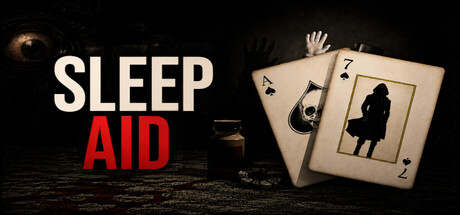 Sleep Aid In-game content art | Some visual assets used in the game and its store presentation were created or refined with the assistance of generative AI and were subsequently reviewed, edited, and integrated by the developer. The game does not generate AI content during gameplay. | Summer Punk | - | Aug 5, 2026 | |
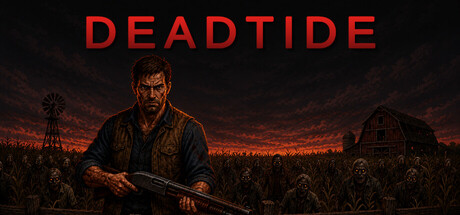 DeadTide Store/marketing arttext | The key art used in this game's store capsules and cover was created with the assistance of generative AI tools, then edited and composited by the developer (logo and layout added manually). AI tools were also used to assist with translating menu text and store page descriptions. All gameplay content — code, in-game sprites, animations, music, and sound effects — was created by human artists or licensed from human-made asset packs. No AI-generated content appears in the game itself. | Emexis Games | - | Aug 5, 2026 | |
 Card&Dungeon In-game content arttextaudio | Generative AI tools were used during development to assist with portions of the game’s code, gameplay data, English and Korean text, visual assets—including card, character, monster, UI, and environment artwork—and the creation of music, ambience, and sound effects.
All AI-assisted material was reviewed and selected by the developer, then edited or processed where appropriate, tested, and integrated into the game. The game does not use generative AI at runtime, and no player input or personal data is sent to generative AI services. | SDBD Studio | - | Aug 5, 2026 | |
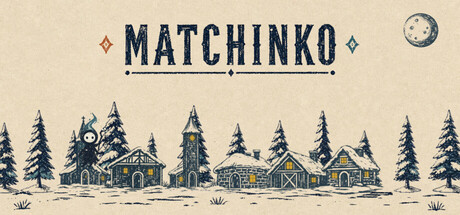 Matchinko In-game content artaudiotextcode | Generative AI tools were used during development to create all visual artwork, sound effects, and music in Matchinko, including artwork used in store and marketing materials. AI tools also assisted with code, debugging, and drafts of some written content. All generated material was reviewed, selected, edited, tested, and integrated by the developer before inclusion. The game does not generate content using AI at runtime, connect to external AI services during play, or send player data to AI systems. | nitzan.games LLC | - | Aug 5, 2026 | |
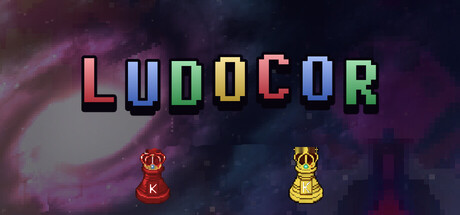 LUDOCOR In-game content arttext | Some of the game's 2D artwork (card illustrations) was created with the assistance of generative AI tools, then curated, edited, and integrated by the developer. AI assistance was also used for in-game text and store page copy. All game design and final content decisions are the developer's own. The game contains no live/runtime AI-generated content. | NYXON ALPHA PRIVATE LIMITED | - | Aug 5, 2026 | |
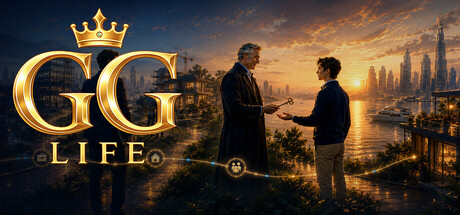 GG Life In-game content art | This game uses AI-generated artwork for static marketplace listing images including cars, homes, investment properties, boats, and businesses shown in the Assets and Business panels, as well as for Steam achievement icons. All AI-generated content is created during development and shipped as fixed image files. The game does not generate any content live during gameplay and does not connect to any AI service while you play. | AfterGlow Games | - | Aug 5, 2026 |


