Public Steam disclosure research25,383 disclosures tracked
Where do games disclose AI use?
Search developers’ Steam disclosures, compare classified AI use across
games, and follow recorded changes.
This index adds cross-game classifications and statistics to
statements published on individual store pages.
Groups reflect automatic analysis of public disclosures; mature records are excluded. These counts do not measure AI use across all of Steam.
Missing or unclear statements cannot establish whether a game uses AI.
During the development of Super Monsterdoom, generative AI tools were used to support text creation, visual exploration, and mechanical iteration. As a solo developer, these tools were key to accelerating and expanding the process, but every final asset, text, and design decision went through extensive human editing, refinement, and hands-on work.
This game utilizes pre-generated AI content across multiple disciplines, including visual assets, code optimization, and audio design. These tools were used strictly to assist a solo developer in the production process. All AI-assisted assets have been thoroughly vetted to ensure they adhere to copyright and intellectual property standards, and no live-generation tools are present in the build.
We used ai to assist us on music and art because we are poor and not capable of this yet. We will strive to remove or reduce ai to a minimum once we are financially capable.
Some vfx sprite sheets and art were generated and then photoshopped and shaders added. I generated some images 100 plus times to make sure the style didn't drift. I photoshopped AI images to get what I wanted. AI generated images were guided by my thoughts the entire time.
AI tools were used during development only for pre-generated content, including concept/reference artwork, store assets, music/audio drafts, and localization or translation assistance.
The game does not generate AI content at runtime. Players do not interact with any live AI system, and no text, images, audio, or gameplay content is dynamically generated by AI while the game is running.
All AI-assisted content is reviewed, edited, and integrated by the developer before release.
Some store artwork and promotional images were created or refined with AI-assisted tools, then edited and curated by the developer. The game does not include live AI-generated content.
Some visual assets used on this Steam page were edited or retouched using AI-assisted tools, and the achievement icons were created using generative AI / AI-assisted tools.
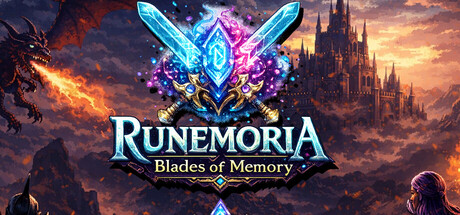
Some visual assets used in Runemoria – Blades of Memory were created with the assistance of generative AI tools and have been modified, curated, and integrated as part of the game’s development process. AI-generated content is limited to pre-rendered visual assets and does not generate gameplay content during play.
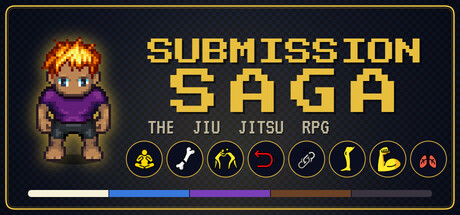
Some UI icons, character and creature sprites, and other in-game graphics in Submission Saga were created with the assistance of generative AI image tools (including Pixellab.ai), and portions of the store page text were drafted with AI writing assistance. Portions of the game's source code were also written with the assistance of an AI coding assistant. All AI-generated content was reviewed, edited, and curated by the developer before inclusion. No AI is used to generate content live during gameplay.
Translations and text content are AI-generated. Some of the UI and game backgrounds are AI generated with manual post-processing. Some of the VFX for the animations are AI generated with post-processing.
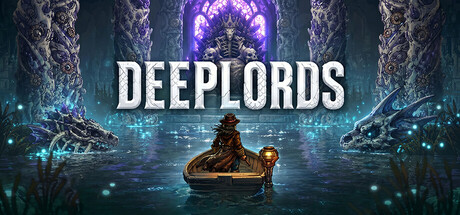
The static pixel art images of the creatures (Deeplords) and environmental elements were pre-generated using AI tools and subsequently animated with another AI tool based on the developer's specific directions. Leveraging 10 years of professional 3D modeling experience, these assets were then integrated as textures and sprites inside complex 3D environments and dioramas modeled manually by the developer in Blender and structured in Unity. The game's Unity C# scripts were pre-generated using AI co-pilot tools based on the precise gameplay logic requested by the developer, followed by extensive manual debugging, correction, and multi-turn optimization cycles. Lastly, the soundtrack and audio elements were pre-generated using AI tools based on specific genre and stylistic vibes provided by the developer, then manually reviewed and refined to perfectly fit the dark atmosphere of the individual biomes.
This game uses generative artificial intelligence (AI) to create some of its visual art assets. Certain in-game images and illustrations were partially generated with the assistance of AI-based painting tools.
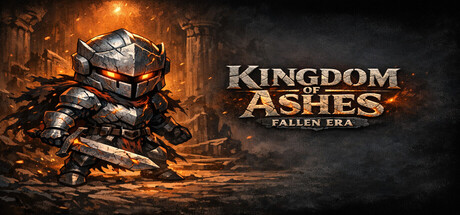
Kingdom of Ashes uses generative AI for select visual assets:
• Character portraits, enemy sprites, card illustrations, and background art were generated using Microsoft Copilot and then curated, composited, and refined by the developer for use in the game.
All gameplay code, mechanics, narrative text, and game design were created by the developer. No AI content is generated live during gameplay, and the game does not connect to any third-party AI service at runtime — all AI-generated visuals were finalized during development and ship as static assets.
Generative AI was used to create artwork for the game, including visual assets seen by players and/or promotional materials. All AI-generated artwork was reviewed, selected, and edited by the developer before inclusion. The game does not generate AI content live during gameplay.
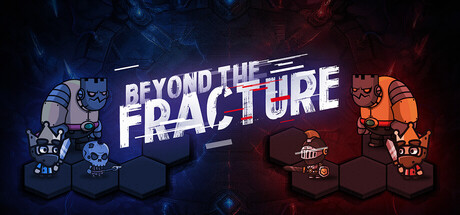
Beyond the Fracture contains both pre-generated and live-generated AI content.
Pre-generated AI content:
Some visual, audio, and voice assets were generated with AI tools during development and reviewed, edited, and curated by the developers before being included in the game. This includes selected construct opponent portraits, spoken name clips, character histories, and HERALD-7 commentary voice clips in German and English.
Live-generated AI content:
During first-time onboarding, the game uses external AI services to generate three candidate player identities live. Each identity includes a generated profile portrait and a generated spoken name introduction. The profile portraits are additionally guided by internal short character descriptions generated from predefined archetypes and prompt templates.
This live generation is constrained by predefined prompts, fixed character archetypes, a controlled name system, and no free-form text input from players. The player selects one of the three generated identities. The chosen identity cannot be changed during the current Playtest, and repeated regeneration is not available during normal gameplay.
No live AI generation occurs during normal matches after onboarding.
Some static 2D artwork used in the game and Steam marketing materials was created with assistance from generative AI, then curated, edited, and integrated by the developer. The game does not generate AI content during gameplay and does not connect to external AI services.
Driftbane: The Long Awaited uses generative AI tools during development for some character art, 3D character base meshes, music tracks, and as a coding assistant. The developer refines, integrates, and curates AI outputs by hand. All creative direction, narrative, design decisions, and gameplay are authored by the developer. No AI content runs at runtime in the game.
Graphics & Art: Original asset concepts, sketches, and draft designs were created by the developer and subsequently rendered or refined using generative AI tools. While the underlying concepts and designs are original creations, generative AI may occasionally produce visual similarities to existing artistic styles or works.
Voice Acting: Character voices and audio narration were generated using ElevenLabs voice synthesis technology and are used in accordance with the applicable licensing and usage terms.
World of Qreatures features a cutting-edge 'Qreature Lab' where players can scan real-world QR codes or breed existing creatures to discover entirely new species.
The game utilizes a custom generative AI pipeline to create these unique assets at runtime, including 3D meshes, textures, procedural audio cries, and combat statistics. Additionally, some wild monsters found in the handcrafted world are pre-generated using this same pipeline and carefully curated by the developer to ensure high-quality gameplay and visual consistency. Every Qreature generated is a unique biological signature within the game's ecosystem.
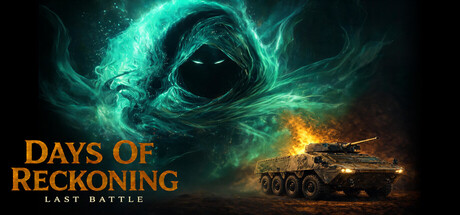
During the development of Days Of Reckoning, generative artificial intelligence is used as a supportive tool in certain parts of production.
AI has been used primarily for:
creating visual references and concept ideas
assisting with marketing materials (e.g., text, scripts)
experimenting with certain audio or atmospheric elements
All content included in the final version of the game is reviewed, refined, and approved by the developer.
Generative AI is not used to generate content in real time during gameplay and does not directly influence gameplay mechanics or in-game systems.
This game includes pre-generated content created with the assistance of generative AI tools during development. AI tools were used to assist with some 2D visual assets, icons, background concept art, text drafting/localization, and programming support.
All AI-assisted content is reviewed, edited, and integrated by the developer before being included in the game or store materials. The game does not use live generative AI during gameplay.
AI was used during development to assist with code generation, some graphical assets, and selected music or audio elements. All content was reviewed and edited by the developer before being included in the game.
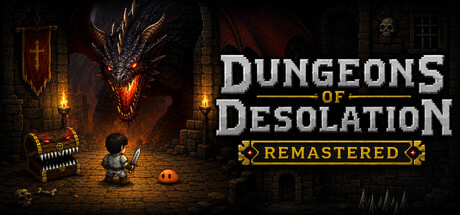
Dungeons of Desolation Remastered is based on my original 2012 Xbox Live Indie Games release. The original artwork, music, sound effects, code, game design, story, systems, and overall creative direction were created by me as an individual developer.
For this remastered PC version, I have used generative AI tools as part of the development process to assist with asset upscaling/enhancement and with porting/refactoring the original XNA codebase to a modern MonoGame version. AI-assisted work is reviewed, edited, and integrated by me.
Generative AI is not used to dynamically generate gameplay, story, dialogue, items, levels, or player-facing content at runtime.
Some visual assets and materials used in the game were created or enhanced with the help of AI tools during development.
All AI-assisted content was reviewed, edited, and integrated by the developer.
The game does not use AI to generate content during gameplay.
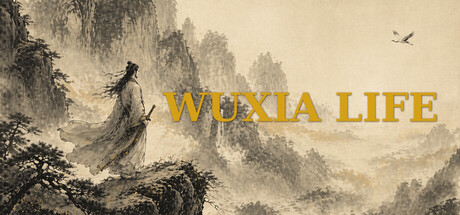
All in-game visual art assets in this title — including item icons, equipment artwork, character portraits, story illustrations, and UI decorative elements (frames, icons, and background textures) — are produced using OpenAI's ChatGPT image generation and xAI's Grok image generation API as core tools within our ink-wash and gongbi-style art pipeline. Every generated asset is reviewed, curated, manually retouched, and compositionally adjusted by the developer before being incorporated into the game. No real person's likeness has been used.
The game's source code is written by the developer, Kevin Chen, with OpenAI Codex and Anthropic Claude Code used as coding assistants during development. In-game narrative and dialogue text are written by the developer, with portions assisted by Anthropic Claude for polishing and proofreading.
During the development of Super Monsterdoom, generative AI tools were used to support text creation, visual exploration, and mechanical iteration. As a solo developer, these tools were key to accelerating and expanding the process, but every final asset, text, and design decision went through extensive human editing, refinement, and hands-on work.
This game utilizes pre-generated AI content across multiple disciplines, including visual assets, code optimization, and audio design. These tools were used strictly to assist a solo developer in the production process. All AI-assisted assets have been thoroughly vetted to ensure they adhere to copyright and intellectual property standards, and no live-generation tools are present in the build.
We used ai to assist us on music and art because we are poor and not capable of this yet. We will strive to remove or reduce ai to a minimum once we are financially capable.
Some vfx sprite sheets and art were generated and then photoshopped and shaders added. I generated some images 100 plus times to make sure the style didn't drift. I photoshopped AI images to get what I wanted. AI generated images were guided by my thoughts the entire time.
AI tools were used during development only for pre-generated content, including concept/reference artwork, store assets, music/audio drafts, and localization or translation assistance.
The game does not generate AI content at runtime. Players do not interact with any live AI system, and no text, images, audio, or gameplay content is dynamically generated by AI while the game is running.
All AI-assisted content is reviewed, edited, and integrated by the developer before release.
Some store artwork and promotional images were created or refined with AI-assisted tools, then edited and curated by the developer. The game does not include live AI-generated content.
Some visual assets used on this Steam page were edited or retouched using AI-assisted tools, and the achievement icons were created using generative AI / AI-assisted tools.
Some visual assets used in Runemoria – Blades of Memory were created with the assistance of generative AI tools and have been modified, curated, and integrated as part of the game’s development process. AI-generated content is limited to pre-rendered visual assets and does not generate gameplay content during play.
Some UI icons, character and creature sprites, and other in-game graphics in Submission Saga were created with the assistance of generative AI image tools (including Pixellab.ai), and portions of the store page text were drafted with AI writing assistance. Portions of the game's source code were also written with the assistance of an AI coding assistant. All AI-generated content was reviewed, edited, and curated by the developer before inclusion. No AI is used to generate content live during gameplay.
Translations and text content are AI-generated. Some of the UI and game backgrounds are AI generated with manual post-processing. Some of the VFX for the animations are AI generated with post-processing.
The static pixel art images of the creatures (Deeplords) and environmental elements were pre-generated using AI tools and subsequently animated with another AI tool based on the developer's specific directions. Leveraging 10 years of professional 3D modeling experience, these assets were then integrated as textures and sprites inside complex 3D environments and dioramas modeled manually by the developer in Blender and structured in Unity. The game's Unity C# scripts were pre-generated using AI co-pilot tools based on the precise gameplay logic requested by the developer, followed by extensive manual debugging, correction, and multi-turn optimization cycles. Lastly, the soundtrack and audio elements were pre-generated using AI tools based on specific genre and stylistic vibes provided by the developer, then manually reviewed and refined to perfectly fit the dark atmosphere of the individual biomes.
This game uses generative artificial intelligence (AI) to create some of its visual art assets. Certain in-game images and illustrations were partially generated with the assistance of AI-based painting tools.
Kingdom of Ashes uses generative AI for select visual assets:
• Character portraits, enemy sprites, card illustrations, and background art were generated using Microsoft Copilot and then curated, composited, and refined by the developer for use in the game.
All gameplay code, mechanics, narrative text, and game design were created by the developer. No AI content is generated live during gameplay, and the game does not connect to any third-party AI service at runtime — all AI-generated visuals were finalized during development and ship as static assets.
Generative AI was used to create artwork for the game, including visual assets seen by players and/or promotional materials. All AI-generated artwork was reviewed, selected, and edited by the developer before inclusion. The game does not generate AI content live during gameplay.
Beyond the Fracture contains both pre-generated and live-generated AI content.
Pre-generated AI content:
Some visual, audio, and voice assets were generated with AI tools during development and reviewed, edited, and curated by the developers before being included in the game. This includes selected construct opponent portraits, spoken name clips, character histories, and HERALD-7 commentary voice clips in German and English.
Live-generated AI content:
During first-time onboarding, the game uses external AI services to generate three candidate player identities live. Each identity includes a generated profile portrait and a generated spoken name introduction. The profile portraits are additionally guided by internal short character descriptions generated from predefined archetypes and prompt templates.
This live generation is constrained by predefined prompts, fixed character archetypes, a controlled name system, and no free-form text input from players. The player selects one of the three generated identities. The chosen identity cannot be changed during the current Playtest, and repeated regeneration is not available during normal gameplay.
No live AI generation occurs during normal matches after onboarding.
Some static 2D artwork used in the game and Steam marketing materials was created with assistance from generative AI, then curated, edited, and integrated by the developer. The game does not generate AI content during gameplay and does not connect to external AI services.
Driftbane: The Long Awaited uses generative AI tools during development for some character art, 3D character base meshes, music tracks, and as a coding assistant. The developer refines, integrates, and curates AI outputs by hand. All creative direction, narrative, design decisions, and gameplay are authored by the developer. No AI content runs at runtime in the game.
Graphics & Art: Original asset concepts, sketches, and draft designs were created by the developer and subsequently rendered or refined using generative AI tools. While the underlying concepts and designs are original creations, generative AI may occasionally produce visual similarities to existing artistic styles or works.
Voice Acting: Character voices and audio narration were generated using ElevenLabs voice synthesis technology and are used in accordance with the applicable licensing and usage terms.
World of Qreatures features a cutting-edge 'Qreature Lab' where players can scan real-world QR codes or breed existing creatures to discover entirely new species.
The game utilizes a custom generative AI pipeline to create these unique assets at runtime, including 3D meshes, textures, procedural audio cries, and combat statistics. Additionally, some wild monsters found in the handcrafted world are pre-generated using this same pipeline and carefully curated by the developer to ensure high-quality gameplay and visual consistency. Every Qreature generated is a unique biological signature within the game's ecosystem.
During the development of Days Of Reckoning, generative artificial intelligence is used as a supportive tool in certain parts of production.
AI has been used primarily for:
creating visual references and concept ideas
assisting with marketing materials (e.g., text, scripts)
experimenting with certain audio or atmospheric elements
All content included in the final version of the game is reviewed, refined, and approved by the developer.
Generative AI is not used to generate content in real time during gameplay and does not directly influence gameplay mechanics or in-game systems.
This game includes pre-generated content created with the assistance of generative AI tools during development. AI tools were used to assist with some 2D visual assets, icons, background concept art, text drafting/localization, and programming support.
All AI-assisted content is reviewed, edited, and integrated by the developer before being included in the game or store materials. The game does not use live generative AI during gameplay.
AI was used during development to assist with code generation, some graphical assets, and selected music or audio elements. All content was reviewed and edited by the developer before being included in the game.
Dungeons of Desolation Remastered is based on my original 2012 Xbox Live Indie Games release. The original artwork, music, sound effects, code, game design, story, systems, and overall creative direction were created by me as an individual developer.
For this remastered PC version, I have used generative AI tools as part of the development process to assist with asset upscaling/enhancement and with porting/refactoring the original XNA codebase to a modern MonoGame version. AI-assisted work is reviewed, edited, and integrated by me.
Generative AI is not used to dynamically generate gameplay, story, dialogue, items, levels, or player-facing content at runtime.
Some visual assets and materials used in the game were created or enhanced with the help of AI tools during development.
All AI-assisted content was reviewed, edited, and integrated by the developer.
The game does not use AI to generate content during gameplay.
All in-game visual art assets in this title — including item icons, equipment artwork, character portraits, story illustrations, and UI decorative elements (frames, icons, and background textures) — are produced using OpenAI's ChatGPT image generation and xAI's Grok image generation API as core tools within our ink-wash and gongbi-style art pipeline. Every generated asset is reviewed, curated, manually retouched, and compositionally adjusted by the developer before being incorporated into the game. No real person's likeness has been used.
The game's source code is written by the developer, Kevin Chen, with OpenAI Codex and Anthropic Claude Code used as coding assistants during development. In-game narrative and dialogue text are written by the developer, with portions assisted by Anthropic Claude for polishing and proofreading.