








Disclosure
Pre-generated: the music and SFX was created with generative AI tools and then edited and mixed by the developer. No generative AI is used while the game is running.
- Creator
- Job's Done Games
- Reviews
- -
- Added
- Oct 9, 2026
Public Steam disclosure research 25,376 disclosures tracked
Search developers’ Steam disclosures, compare classified AI use across games, and follow recorded changes. This index adds cross-game classifications and statistics to statements published on individual store pages.
Code help, debugging and other development work.
Capsule art, trailers and promotional material.
Pre-made art, audio, writing and other game assets.
Interactive or runtime AI features disclosed by the developer.
Groups reflect automatic analysis of public disclosures; mature records are excluded. These counts do not measure AI use across all of Steam. Missing or unclear statements cannot establish whether a game uses AI.
Pre-generated: the music and SFX was created with generative AI tools and then edited and mixed by the developer. No generative AI is used while the game is running.
Generative AI tools were used during development to create some visual assets and to assist with writing, modifying, and debugging code. All AI-generated or AI-assisted content was reviewed, adjusted, and integrated by the developer. The game does not use generative AI to create content during gameplay.
Generative AI was used to assist in creating some of the artwork in the game.
The card illustrations were made with an AI image tool from our own low-poly style references, then reviewed and placed by hand. All other art, the map, characters, interface, voices and writing were made by people. Store art and screenshots are captured from the game itself. I'm hoping I can replace the card art by proper human art before full release.
AI was used to generate our event assets, player assets, market good assets, icon assets.
AI was used to accelerate some of the development workflow.
localization
This product, its trailers, in-game artworks, and translations were all generated using AI.
Icons, Sounds
The game's art assets (tile, monster and item sprite atlases) were produced during development using OpenAI's image generation service. We then processed the output ourselves into transparent PNGs and assembled them into atlases, which ship as static assets inside the build. The game does not call any AI service at runtime and contains no live-generated content. Every generated image was manually reviewed and corrected before being added to the atlas. Apart from the art, the code, game design, balance and text involve no AI-generated content.
Portraits of characters and creatures are generated using Stable Diffusion. They appear in-game and in store page materials. I plan to replace all generated portraits with hand-drawn art. Some in-game labels and text descriptions are placeholders generated by an LLM. I am gradually rewriting them by hand.
Generative AI was used during development to create pre-generated visual assets for the game, including character artwork, card artwork, backgrounds, visual effects, textures, UI artwork, and promotional materials. All AI-generated content is reviewed and curated by the developer before being included in the game. The game does not use live generative AI during gameplay.
Generative AI tools were used during development to assist with concept art, promotional/store imagery, and some code. No content is generated in real time while playing — all in-game assets and text are fixed and do not change at runtime.
Transparency is important--I built this game with extensive AI use, from coding to visual assets. If that's not your thing, I respect that. The game is free and I have no intention of adding anything in-game to buy. I just wanted to make something fun and see what I could do. Hopefully, it feels like some effort and creativity went into this and it's not just slop.
During development, we used generative AI to assist with some character art assets and early UI concepts. All related assets were subsequently refined and manually adjusted extensively by professional artists and other team members to ensure the finished work matched the game's distinctive style and quality standards.
Generative AI tools were used in the development of game assets and content.
开发阶段使用了ai辅助开发代码
本游戏在开发过程中使用了生成式人工智能辅助创作部分游戏内容,包括部分美术资源和视觉素材。生成的内容经过人工筛选、修改和整合,并由开发者进行最终设计与制作。
The music in Ammerow: Lands Beyond was created with Claude Compose, a bespoke composition system built for this project. Rather than a generative music model, it works like a tireless studio composer: an AI assistant (Anthropic's Claude) writes and runs code that composes each piece note by note — melody, harmony, counterpoint and orchestration derived from music theory — and performs it through real, licensed virtual instruments in a professional DAW (Ableton Live). It then "listens back" by analysing the rendered audio to refine the balance. No generative audio/music model was used, no AI was trained on other artists' recordings, and no track was produced from a prompt. Every note is placed deliberately, and every piece is directed, reviewed and approved by a human. The result is authored, not generated. The sound effects are an original, human-directed procedural synthesis library. Claude Code assisted in writing custom Python DSP software and individual cue recipes; every waveform was deterministically rendered from mathematical models and recorded seeds. No recordings, performers, samples, stock audio, sample libraries or generative-audio service were used. Ammerow is designed primarily as a coloured ASCII game. Selected creature, item and shopkeeper illustrations began as AI-generated source images and are converted through a deterministic ASCII-art pipeline. The optional tile mode is a work-in-progress secondary presentation. Its small atlases were programmatically drawn in a custom SDL application using natural-language Codex direction. No generative-image model, inherited tileset, traced artwork or third-party graphical asset was used. Some narrative, gameplay data and other player-facing material were also developed with AI assistance under human direction and review. Some Steam marketing backgrounds were created using OpenAI image-generation tools and then selected, reviewed and combined with deterministic Ammerow branding by the developer. No AI runs while the game is being played.
AI is used to create the initial draft translations for the game.
Cosmo Arena uses generative AI tools during development to assist with the creation and refinement of certain visual assets, concept art, UI elements, textures, and other game content. All AI-assisted content is reviewed, edited, and integrated by the developer. Generative AI is not used to create content dynamically during gameplay.
No generative AI is used during live gameplay. During our development process we use generative AI for some algorithms, pixel art, some marketing content and where appropriate to improve code quality.
AI tools were used during the development of Slot Crawler to assist in creating select visual assets and promotional materials. Every AI-assisted element was reviewed, refined, and integrated by the developer to ensure consistency with the game’s artistic direction and quality standards.
Generative AI tools were used during development to assist with the creation and refinement of some pre-generated 2D artwork, UI illustrations, icons, promotional images, and selected audio assets. All AI-assisted outputs were reviewed, edited, and integrated by the developer. The game does not generate content with AI at runtime, and no player input is sent to an AI service.
Grimhold's artwork is created by commissioned human artists, and its music is human-made licensed audio. Generative AI tools were used to assist in writing portions of the game's descriptive text and creature lore. All gameplay, code, and design are human-made. The game does not generate any AI content during play and does not connect to external AI services.
Pre-generated: Some 2D illustrations and the pre-recorded narration were produced with AI tools and reviewed by the developers before inclusion. Live-generated: An on-device language model (no internet connection) writes in-game text such as narration, dialogue, and the names and lore of items, relics and skills, and selects among game-defined options for certain run content. Damage, stats, difficulty and progression are governed by the game's own rules. Generated text is checked before it is shown, and no art or audio is generated at runtime.
Tumble's visual art (character and charm illustrations, backdrops, item sprites, and store capsule art) was generated with Google's Gemini image models and then selected, cropped, retouched, colour-matched and in many cases regenerated by hand against a fixed reference style until it fit the game. Music and sound effects were generated with Suno under a commercial licence, then cut, mixed and placed by hand. The game's design, rules, balance, and code are not generated content. Every mechanic, number and line of player-facing text was written, tested and revised by the developer, including through automated balance simulation and four rounds of human playtesting. No content is generated live during play. Nothing in Tumble is produced at runtime by an AI model; the game runs entirely offline with no model calls of any kind.
Final Night Firefight uses generative AI tools during development to assist with the creation of some pre-generated game artwork, visual assets and music. I review, edit, and integrate all AI-assisted content as part of the game's development process. The game does not generate AI content live during gameplay.
AI tools were used during the creation of draft visual assets. All AI-generated material is reviewed, edited, and manually refined by professional artists before being included in the final product.
Hostile Boards uses AI-generated content minimally, primarily for image creation and touch-ups in some of our visual assets. All AI-generated images are based on original designs and concepts created by our team. No live AI content generation or dynamic AI use occurs during gameplay
We use about 15 seconds of AI footage in our trailer. All assets in the game are human authored. We also use a local, small and offline LLM (meaning: no data ever leaves your computer, and it does not cause significant performance drops) as a Director that controls: enemy spawn and frequency of challenges, essentially choosing when to press with difficulty and when to hold the challenge based on parameters such as player frustration, boredom and an emergence metric. This mechanic does not generate any text, narrative or story: it is just a mechanic that controls game balance to ensure the best challenge. And you can turn it off on the settings menu, if you want.
Generative AI tools have been used as support in the development of this game. They were primarily used for programming, translations, and some background and art elements. All content has been manually reviewed and approved before being included in the game.
Some of the game's 2D artwork, including character, enemy and boss sprites, item icons, and backgrounds, was created using generative AI tools. All such assets were individually reviewed, selected, polished and integrated by the development team.
We used AI to generate some game scene images, icons, and code.
Lateral Crawl will launch in Early Access. The Early Access build will contain some AI-generated and developer-edited sound effects, which are planned to be replaced before the 1.0 release.
AI was used only to help create a few marketing images (capsule art and header capsule). All store screenshots, written content, and in-game art, audio, and text are handcrafted. The game contains no live or runtime AI-generated content.
Yes, we used AI to translate our game into several languages other than French and English, in order to make it accessible to a wider international audience.
music
music
Placeholder art assets for the demo are ai-generated, but will be replaced with human art at the earliest reasonable opportunity.
Some art assets (ui, icons, monster sprites) were created with AI assistance.
This game uses AI-assisted tools during development for some localization translation and code writing. No AI content is generated during gameplay.
- Handcrafted music enhanced with AI - AI-generated SFX
Use of AI-generated content: solely for visual design. Most of the visuals were created using a generative artificial intelligence.
The game's art assets and theme music are AI‑generated
Generating UI Images Used for program development
AI tools were used for research and to assist in creating some visual assets. All final assets were reviewed and refined by the developer.
Some temporary store page artwork (capsule images) and marketing text were created with the assistance of AI tools. The game itself does not contain AI-generated art, sound, or content, and does not use AI generation at runtime.
Generative AI was used for: - The game's logo and Steam store capsule artwork (image generation) - Translation of in-game text into Turkish, German, French and Spanish -AI-generated images were reviewed and edited before use.
The murals in the game are actually restored from real historical murals using AI.
| Title⇅ | Disclosure | Creator⇅ | Src | Reviews⇅ | Added↓ |
|---|---|---|---|---|---|
 Marble Factory In-game content audio | Pre-generated: the music and SFX was created with generative AI tools and then edited and mixed by the developer. No generative AI is used while the game is running. | Job's Done Games | - | Oct 9, 2026 | |
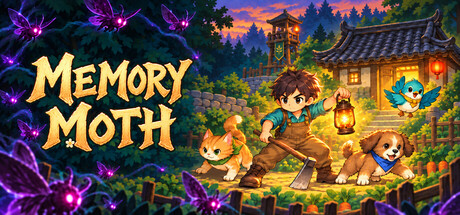 记忆蛀虫 Dev only artcodetext | Generative AI tools were used during development to create some visual assets and to assist with writing, modifying, and debugging code. All AI-generated or AI-assisted content was reviewed, adjusted, and integrated by the developer. The game does not use generative AI to create content during gameplay. | JSXPY工作室 | - | Oct 9, 2026 | |
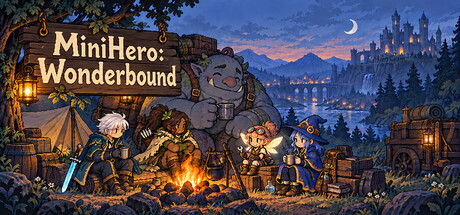 MiniHero: Wonderbound In-game content art | Generative AI was used to assist in creating some of the artwork in the game. | PixelHaven | - | Oct 9, 2026 | |
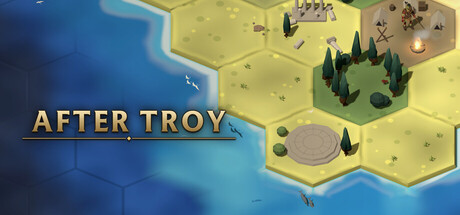 After Troy In-game content art | The card illustrations were made with an AI image tool from our own low-poly style references, then reviewed and placed by hand. All other art, the map, characters, interface, voices and writing were made by people. Store art and screenshots are captured from the game itself. I'm hoping I can replace the card art by proper human art before full release. | Ruben Van Den Broucke | - | Oct 7, 2026 | |
 Merchants Demise In-game content art | AI was used to generate our event assets, player assets, market good assets, icon assets. | InbredJesus | - | Oct 7, 2026 | |
 All Machines Must Die Dev only | AI was used to accelerate some of the development workflow. | SmallIndieDev | - | Oct 6, 2026 | |
 Dice Knight In-game content text | localization | Summit Games Interactive | - | Oct 6, 2026 | |
 Tales of the Immortal Path In-game content arttext | This product, its trailers, in-game artworks, and translations were all generated using AI. | Lumina Studio | - | Oct 4, 2026 | |
 PINDEMONIUM artaudio | Icons, Sounds | Drypoint | - | Oct 1, 2026 | |
 Hauberk锁甲地牢 In-game content art | The game's art assets (tile, monster and item sprite atlases) were produced during development using OpenAI's image generation service. We then processed the output ourselves into transparent PNGs and assembled them into atlases, which ship as static assets inside the build. The game does not call any AI service at runtime and contains no live-generated content. Every generated image was manually reviewed and corrected before being added to the atlas. Apart from the art, the code, game design, balance and text involve no AI-generated content. | BAI XIAN LE | - | Oct 1, 2026 | |
 rogOut In-game content arttext | Portraits of characters and creatures are generated using Stable Diffusion. They appear in-game and in store page materials. I plan to replace all generated portraits with hand-drawn art.
Some in-game labels and text descriptions are placeholders generated by an LLM. I am gradually rewriting them by hand. | Stasoun | - | Sep 30, 2026 | |
 Oath of Stigmata In-game content art | Generative AI was used during development to create pre-generated visual assets for the game, including character artwork, card artwork, backgrounds, visual effects, textures, UI artwork, and promotional materials.
All AI-generated content is reviewed and curated by the developer before being included in the game.
The game does not use live generative AI during gameplay. | LI SHUANG | - | Sep 28, 2026 | |
 Peristyle In-game content artcode | Generative AI tools were used during development to assist with concept art, promotional/store imagery, and some code. No content is generated in real time while playing — all in-game assets and text are fixed and do not change at runtime. | Elouen Ginat | - | Sep 25, 2026 | |
 Ultimate RPS Championship In-game content artcode | Transparency is important--I built this game with extensive AI use, from coding to visual assets. If that's not your thing, I respect that. The game is free and I have no intention of adding anything in-game to buy. I just wanted to make something fun and see what I could do. Hopefully, it feels like some effort and creativity went into this and it's not just slop. | CLQ Gaming | - | Sep 25, 2026 | |
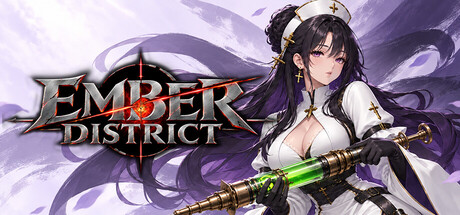 Ember District In-game content art | During development, we used generative AI to assist with some character art assets and early UI concepts. All related assets were subsequently refined and manually adjusted extensively by professional artists and other team members to ensure the finished work matched the game's distinctive style and quality standards. | Cyber Egg Tart | - | Sep 25, 2026 | |
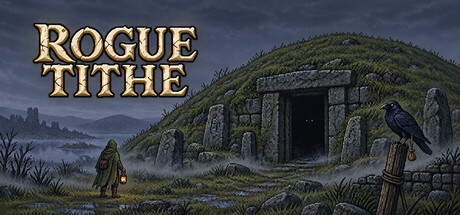 Rogue Tithe In-game content arttextaudio | Generative AI tools were used in the development of game assets and content. | David Gamble | - | Sep 24, 2026 | |
 异世天书录:乱纪元 Dev only code | 开发阶段使用了ai辅助开发代码 | 蓄势游戏工作室 | - | Sep 24, 2026 | |
 妖灵棋局 In-game content art | 本游戏在开发过程中使用了生成式人工智能辅助创作部分游戏内容,包括部分美术资源和视觉素材。生成的内容经过人工筛选、修改和整合,并由开发者进行最终设计与制作。 | Star | - | Sep 22, 2026 | |
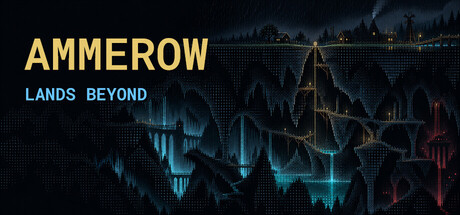 Ammerow: Lands Beyond In-game content audioarttext | The music in Ammerow: Lands Beyond was created with Claude Compose, a bespoke composition system built for this project. Rather than a generative music model, it works like a tireless studio composer: an AI assistant (Anthropic's Claude) writes and runs code that composes each piece note by note — melody, harmony, counterpoint and orchestration derived from music theory — and performs it through real, licensed virtual instruments in a professional DAW (Ableton Live). It then "listens back" by analysing the rendered audio to refine the balance. No generative audio/music model was used, no AI was trained on other artists' recordings, and no track was produced from a prompt. Every note is placed deliberately, and every piece is directed, reviewed and approved by a human. The result is authored, not generated.
The sound effects are an original, human-directed procedural synthesis library. Claude Code assisted in writing custom Python DSP software and individual cue recipes; every waveform was deterministically rendered from mathematical models and recorded seeds. No recordings, performers, samples, stock audio, sample libraries or generative-audio service were used.
Ammerow is designed primarily as a coloured ASCII game. Selected creature, item and shopkeeper illustrations began as AI-generated source images and are converted through a deterministic ASCII-art pipeline. The optional tile mode is a work-in-progress secondary presentation. Its small atlases were programmatically drawn in a custom SDL application using natural-language Codex direction. No generative-image model, inherited tileset, traced artwork or third-party graphical asset was used.
Some narrative, gameplay data and other player-facing material were also developed with AI assistance under human direction and review.
Some Steam marketing backgrounds were created using OpenAI image-generation tools and then selected, reviewed and combined with deterministic Ammerow branding by the developer.
No AI runs while the game is being played. | John Horton | - | Sep 21, 2026 | |
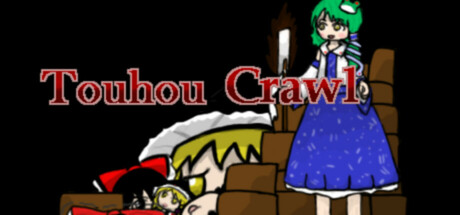 Touhou Crawl In-game content text | AI is used to create the initial draft translations for the game. | joy1999 | 74 | Sep 20, 2026 | |
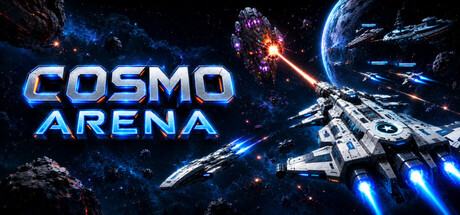 Cosmo Arena In-game content art | Cosmo Arena uses generative AI tools during development to assist with the creation and refinement of certain visual assets, concept art, UI elements, textures, and other game content. All AI-assisted content is reviewed, edited, and integrated by the developer. Generative AI is not used to create content dynamically during gameplay. | Cosmo Games | - | Sep 18, 2026 | |
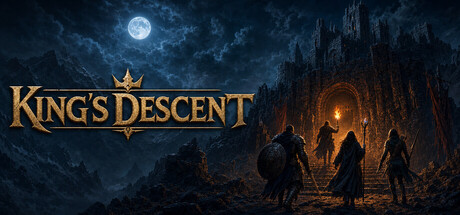 King's Descent Store/marketing artcode | No generative AI is used during live gameplay. During our development process we use generative AI for some algorithms, pixel art, some marketing content and where appropriate to improve code quality. | Stoneshift Games | - | Sep 18, 2026 | |
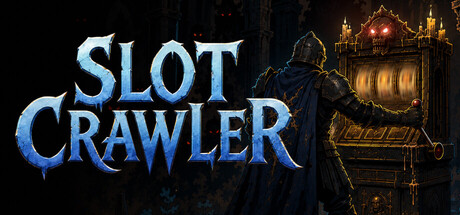 Slot Crawler Store/marketing art | AI tools were used during the development of Slot Crawler to assist in creating select visual assets and promotional materials. Every AI-assisted element was reviewed, refined, and integrated by the developer to ensure consistency with the game’s artistic direction and quality standards. | Disco Studio | - | Sep 16, 2026 | |
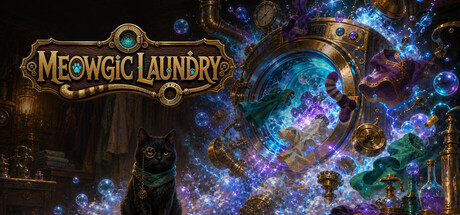 猫法洗衣房 In-game content artaudio | Generative AI tools were used during development to assist with the creation and refinement of some pre-generated 2D artwork, UI illustrations, icons, promotional images, and selected audio assets. All AI-assisted outputs were reviewed, edited, and integrated by the developer. The game does not generate content with AI at runtime, and no player input is sent to an AI service. | awucookie | - | Sep 16, 2026 | |
 Grimhold In-game content text | Grimhold's artwork is created by commissioned human artists, and its music is human-made licensed audio. Generative AI tools were used to assist in writing portions of the game's descriptive text and creature lore. All gameplay, code, and design are human-made. The game does not generate any AI content during play and does not connect to external AI services. | Elzerath Studio | - | Sep 12, 2026 | |
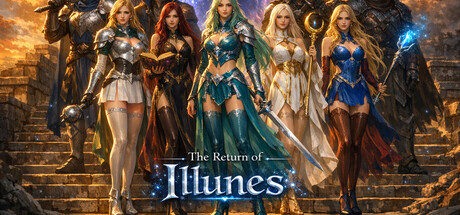 The Return of Illunes Live AI text | Pre-generated: Some 2D illustrations and the pre-recorded narration were produced with AI tools and reviewed by the developers before inclusion.
Live-generated: An on-device language model (no internet connection) writes in-game text such as narration, dialogue, and the names and lore of items, relics and skills, and selects among game-defined options for certain run content. Damage, stats, difficulty and progression are governed by the game's own rules. Generated text is checked before it is shown, and no art or audio is generated at runtime. | 14Dimension Enterprise | - | Sep 7, 2026 | |
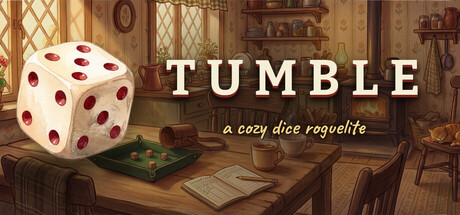 Tumble: A Cozy Dice Roguelite In-game content artaudiotext | Tumble's visual art (character and charm illustrations, backdrops, item sprites, and store capsule art) was generated with Google's Gemini image models and then selected, cropped, retouched, colour-matched and in many cases regenerated by hand against a fixed reference style until it fit the game. Music and sound effects were generated with Suno under a commercial licence, then cut, mixed and placed by hand.
The game's design, rules, balance, and code are not generated content. Every mechanic, number and line of player-facing text was written, tested and revised by the developer, including through automated balance simulation and four rounds of human playtesting.
No content is generated live during play. Nothing in Tumble is produced at runtime by an AI model; the game runs entirely offline with no model calls of any kind. | Colin Bish | - | Sep 3, 2026 | |
 Final Night Firefight In-game content artaudio | Final Night Firefight uses generative AI tools during development to assist with the creation of some pre-generated game artwork, visual assets and music. I review, edit, and integrate all AI-assisted content as part of the game's development process. The game does not generate AI content live during gameplay. | Avanti Stark | - | Sep 3, 2026 | |
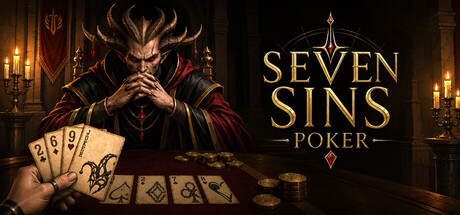 Seven Sins Poker In-game content art | AI tools were used during the creation of draft visual assets. All AI-generated material is reviewed, edited, and manually refined by professional artists before being included in the final product. | Scy Score Games | - | Sep 3, 2026 | |
 Hostile Boards In-game content art | Hostile Boards uses AI-generated content minimally, primarily for image creation and touch-ups in some of our visual assets. All AI-generated images are based on original designs and concepts created by our team. No live AI content generation or dynamic AI use occurs during gameplay | ChessFinity | - | Sep 3, 2026 | |
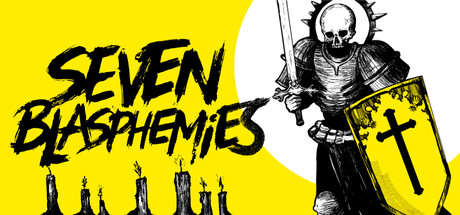 Seven Blasphemies code | We use about 15 seconds of AI footage in our trailer. All assets in the game are human authored.
We also use a local, small and offline LLM (meaning: no data ever leaves your computer, and it does not cause significant performance drops) as a Director that controls: enemy spawn and frequency of challenges, essentially choosing when to press with difficulty and when to hold the challenge based on parameters such as player frustration, boredom and an emergence metric.
This mechanic does not generate any text, narrative or story: it is just a mechanic that controls game balance to ensure the best challenge. And you can turn it off on the settings menu, if you want. | Crit42 Studio | - | Sep 3, 2026 | |
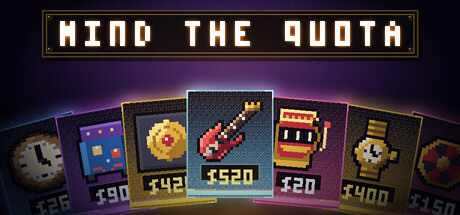 Mind The Quota In-game content arttext | Generative AI tools have been used as support in the development of this game. They were primarily used for programming, translations, and some background and art elements. All content has been manually reviewed and approved before being included in the game. | MISHOWARE | - | Sep 1, 2026 | |
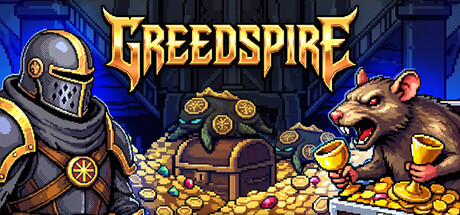 Greedspire In-game content art | Some of the game's 2D artwork, including character, enemy and boss sprites, item icons, and backgrounds, was created using generative AI tools. All such assets were individually reviewed, selected, polished and integrated by the development team. | arcanabytes | - | Aug 31, 2026 | |
 第六枚骰子 In-game content artcode | We used AI to generate some game scene images, icons, and code. | crouchingcatstudio | - | Aug 31, 2026 | |
 Lateral Crawl In-game content audio | Lateral Crawl will launch in Early Access. The Early Access build will contain some AI-generated and developer-edited sound effects, which are planned to be replaced before the 1.0 release. | Gideon X | - | Aug 31, 2026 | |
 暗黑骨牢 Store/marketing art | AI was used only to help create a few marketing images (capsule art and header capsule). All store screenshots, written content, and in-game art, audio, and text are handcrafted. The game contains no live or runtime AI-generated content. | Bunny Moon Shady | - | Aug 31, 2026 | |
 Save the princess : Cards & Chaos In-game content text | Yes, we used AI to translate our game into several languages other than French and English, in order to make it accessible to a wider international audience. | BlackCrow | - | Aug 29, 2026 | |
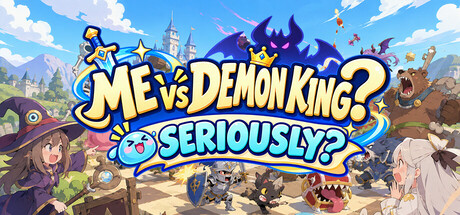 Me VS Demonking?Seriously? Unclear | music | 异世界卡车 | - | Aug 29, 2026 | |
 Esper Overload Unclear | music | 异能小队 | - | Aug 29, 2026 | |
 Tower of Annihilation: Welcome to Hell In-game content art | Placeholder art assets for the demo are ai-generated, but will be replaced with human art at the earliest reasonable opportunity. | Aaron Clark | - | Aug 26, 2026 | |
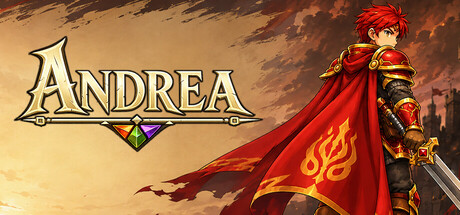 Andrea In-game content art | Some art assets (ui, icons, monster sprites) were created with AI assistance. | Lizel | - | Aug 26, 2026 | |
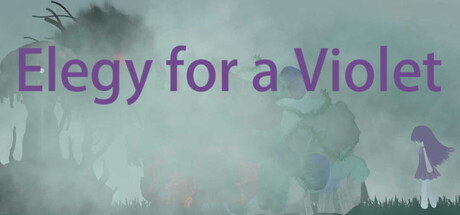 Elegy For A Violet In-game content codetext | This game uses AI-assisted tools during development for some localization translation and code writing. No AI content is generated during gameplay. | nrcashew | - | Aug 26, 2026 | |
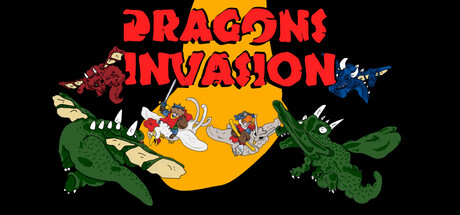 Dragons Invasion In-game content audio | - Handcrafted music enhanced with AI
- AI-generated SFX | Tencah Games | - | Aug 25, 2026 | |
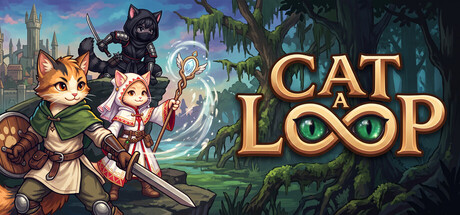 Cat a Loop In-game content art | Use of AI-generated content: solely for visual design. Most of the visuals were created using a generative artificial intelligence. | Kitten Purradise Studios | - | Aug 25, 2026 | |
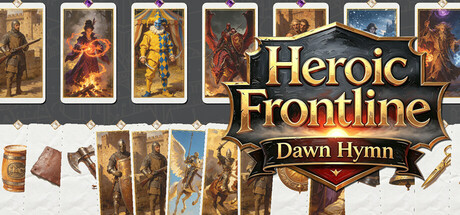 Heroic Frontline: Dawn Hymn artaudio | The game's art assets and theme music are AI‑generated | Heart Field Studio | - | Aug 25, 2026 | |
 Calc and Beat Dev only art | Generating UI Images
Used for program development | zakku3 | - | Aug 20, 2026 | |
 Wall Street Donkey In-game content art | AI tools were used for research and to assist in creating some visual assets. All final assets were reviewed and refined by the developer. | NoCoo Fox | - | Aug 20, 2026 | |
 Etched Store/marketing arttext | Some temporary store page artwork (capsule images) and marketing text were created with the assistance of AI tools. The game itself does not contain AI-generated art, sound, or content, and does not use AI generation at runtime. | 에스케이게임즈 | - | Aug 20, 2026 | |
 Dungeon of the Forgotten In-game content arttext | Generative AI was used for:
- The game's logo and Steam store capsule artwork (image generation)
- Translation of in-game text into Turkish, German, French and Spanish
-AI-generated images were reviewed and edited before use. | Berkay Turkmen | - | Aug 19, 2026 | |
 敦煌流光 In-game content art | The murals in the game are actually restored from real historical murals using AI. | JZHacker | - | Aug 19, 2026 |


